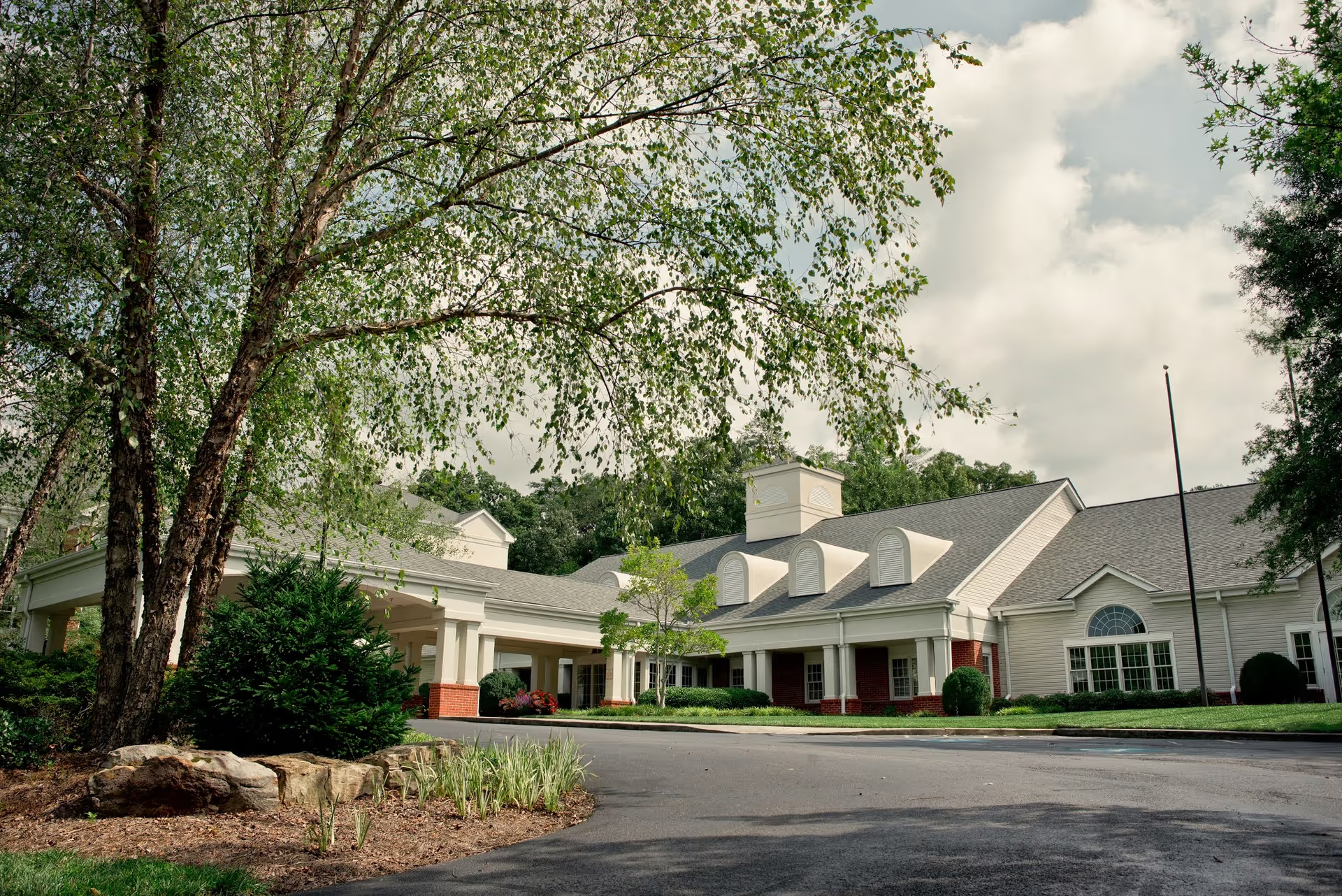
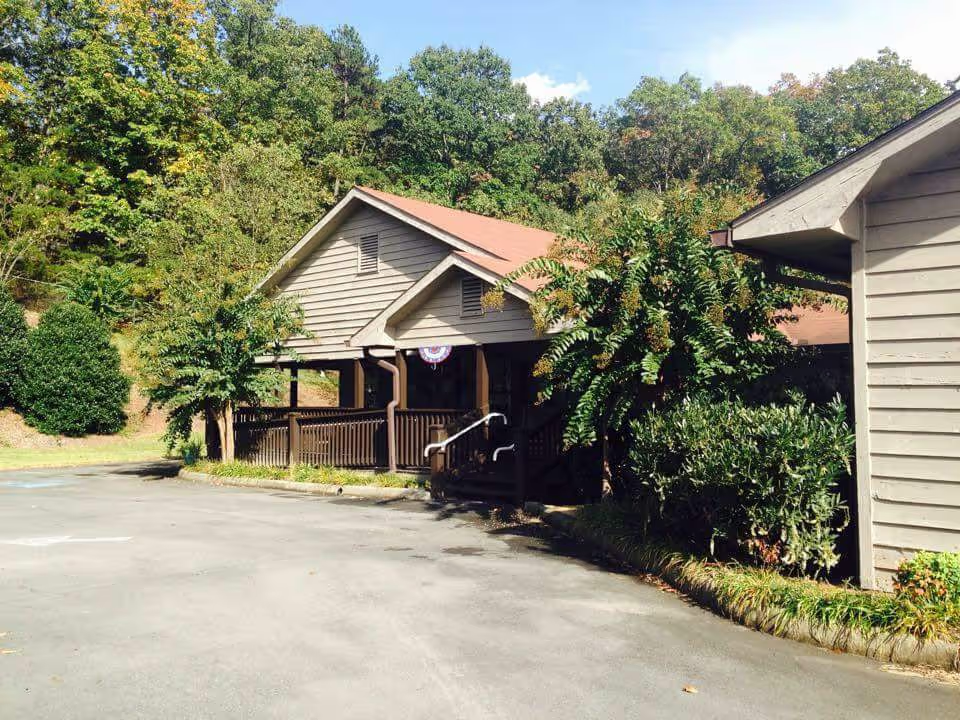
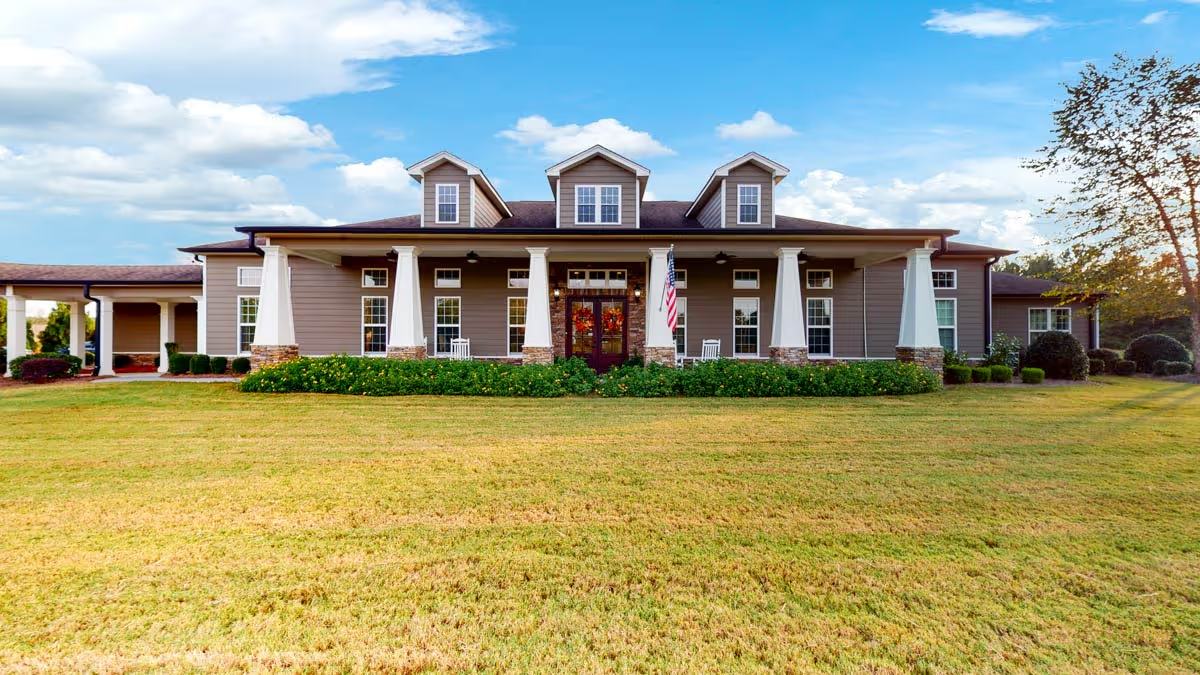
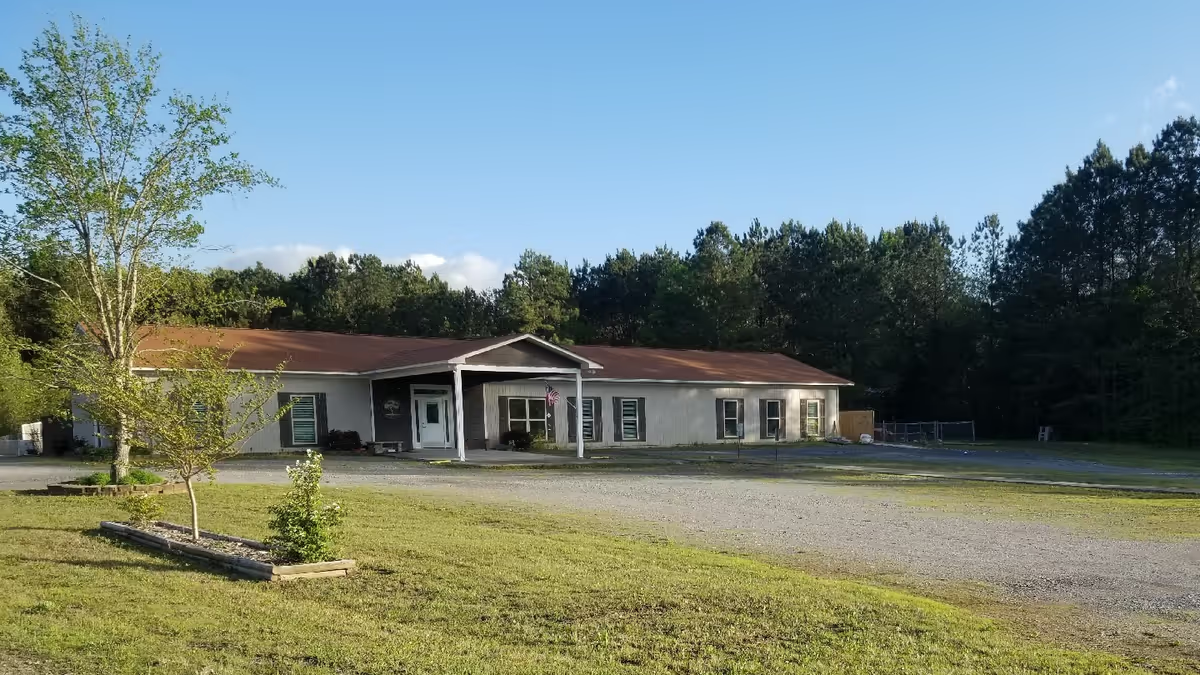
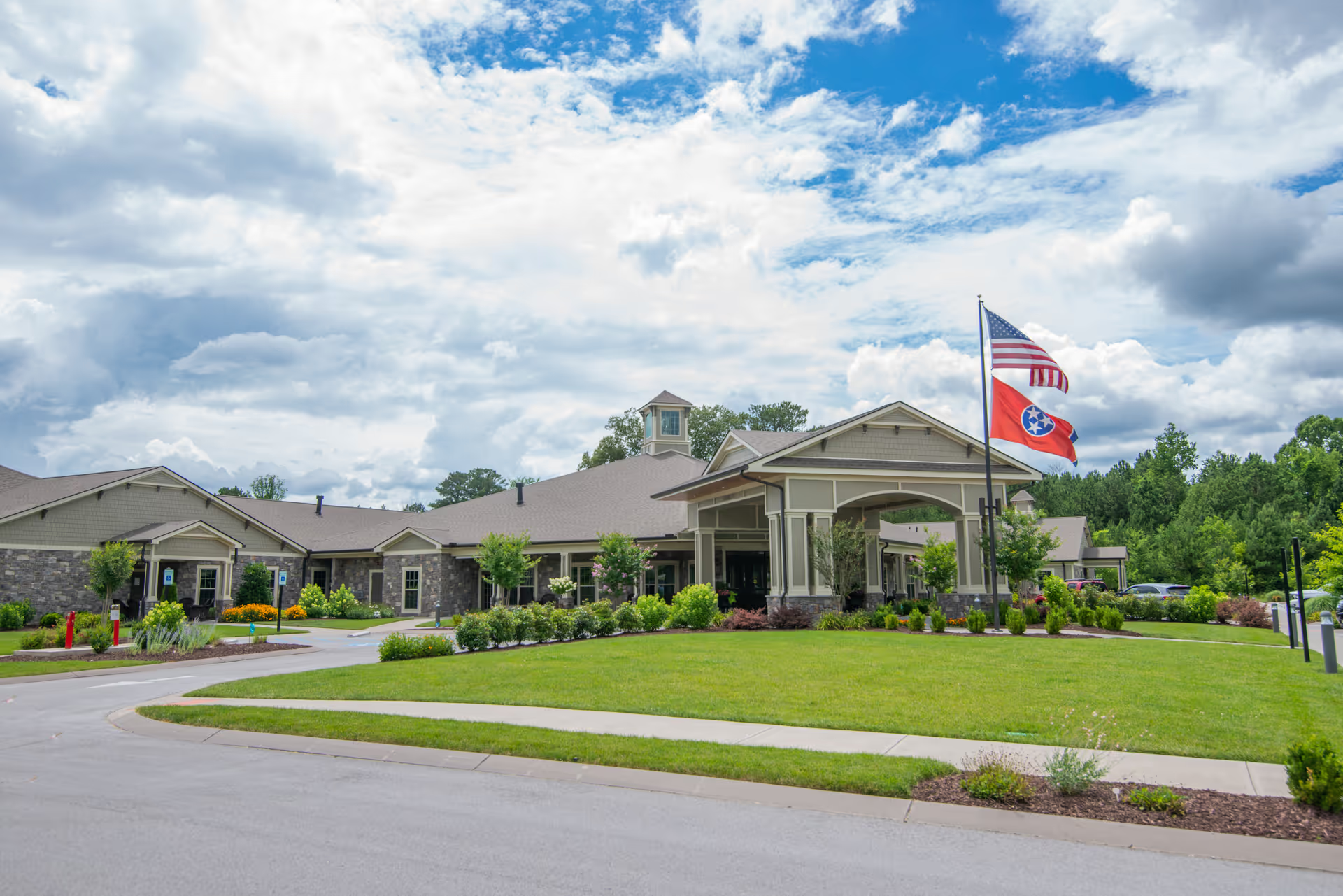
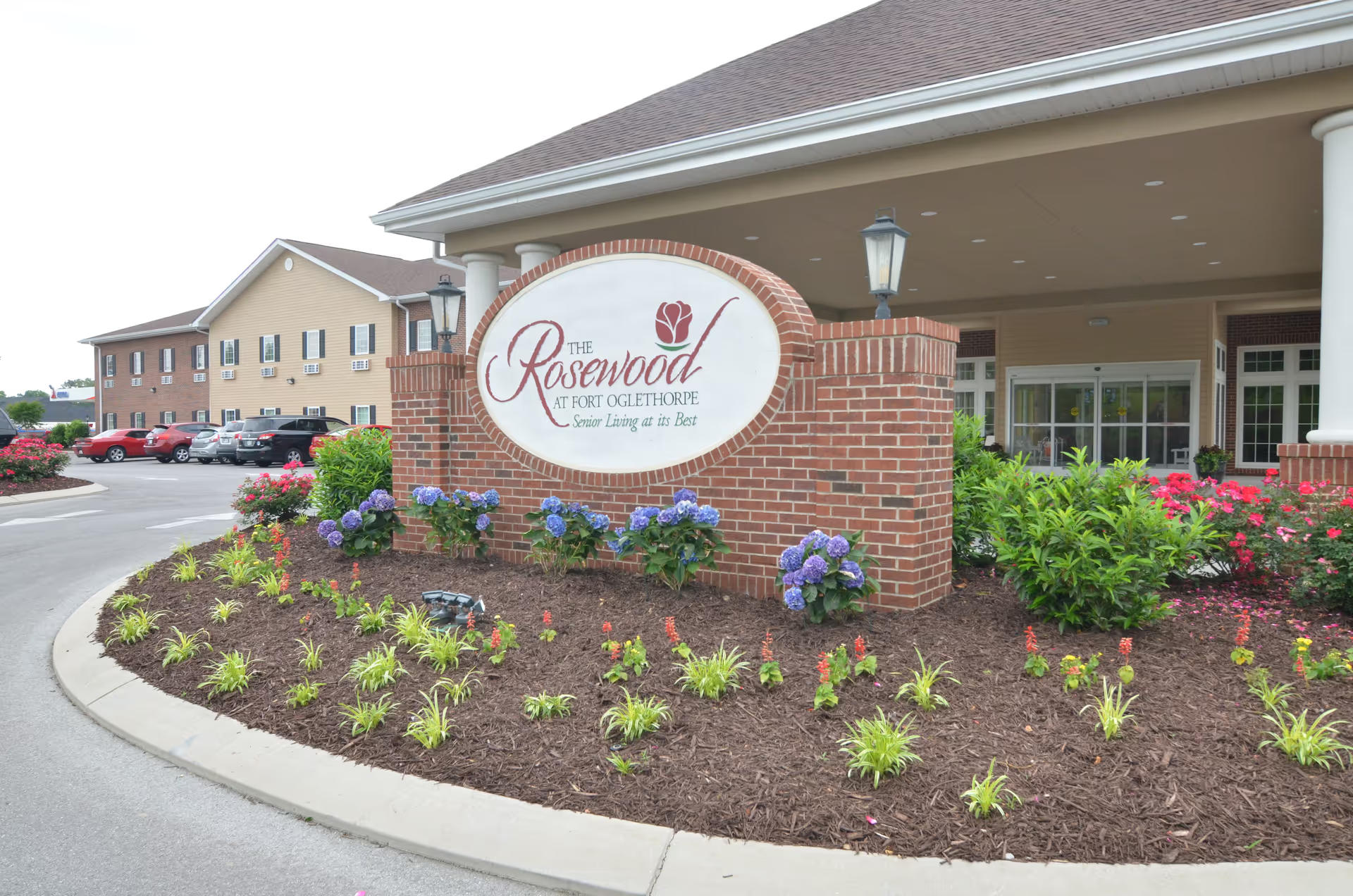
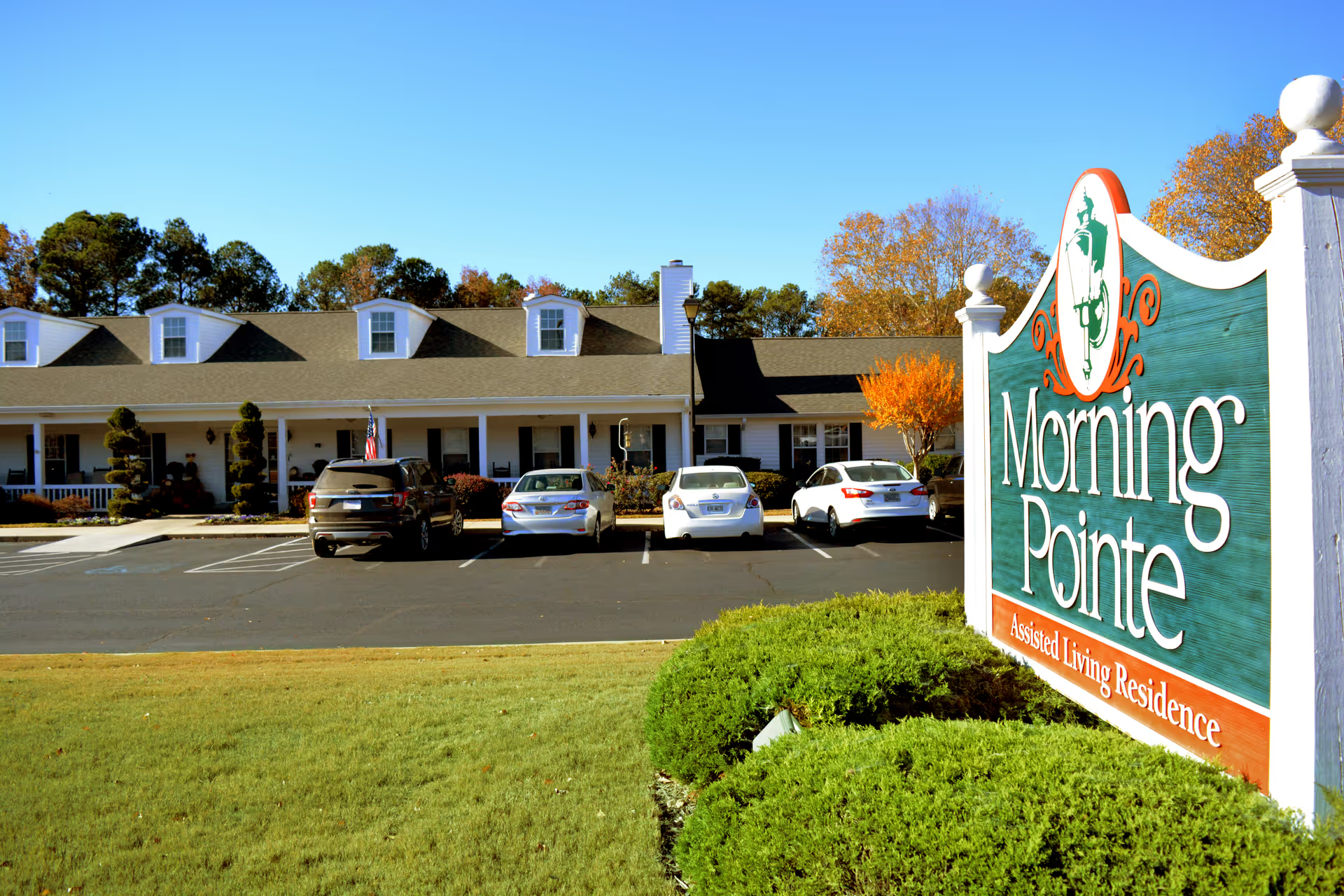
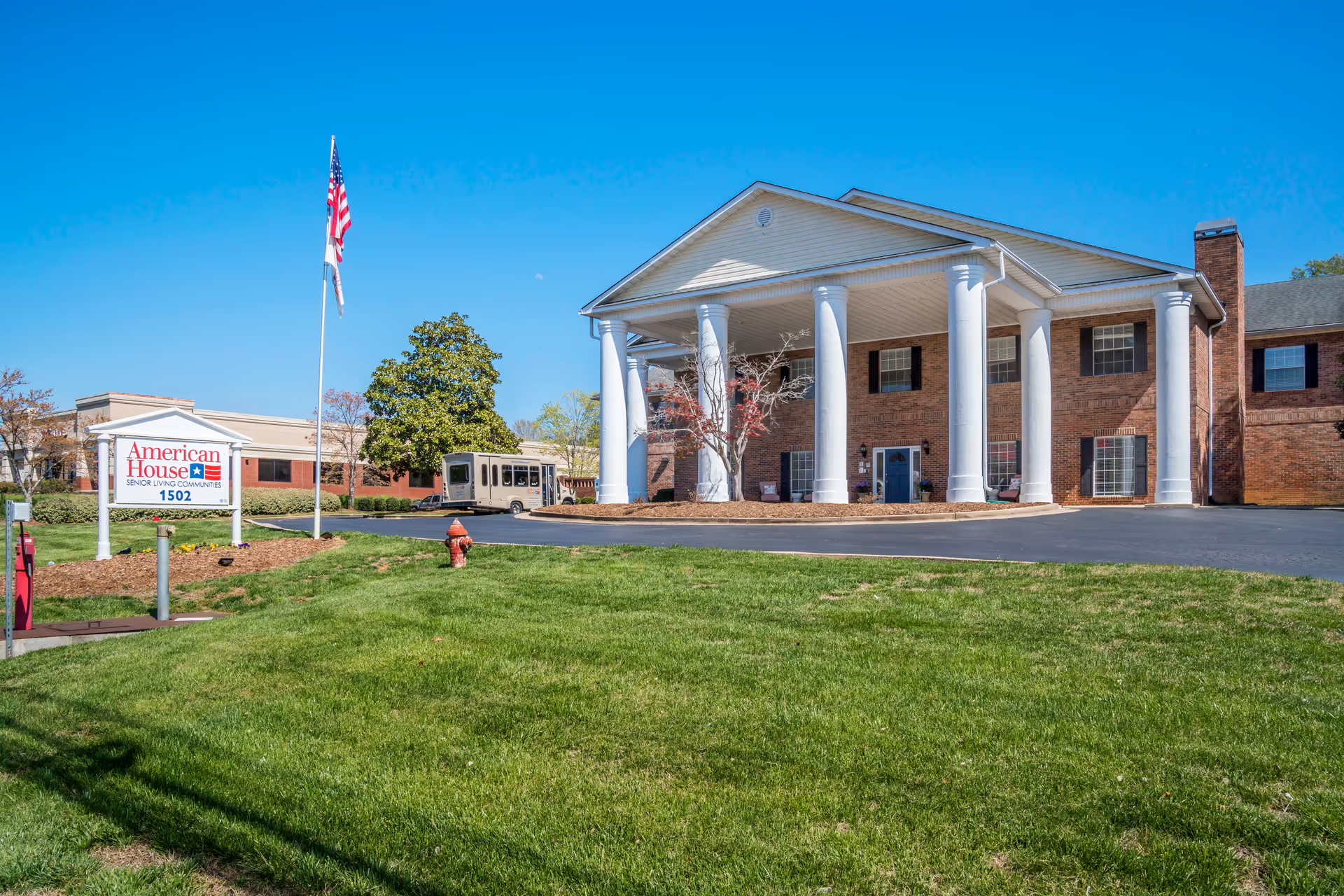
Ridgewood Manor Health and Rehabilitation elicits strongly divided impressions. Many families and residents describe the caregiving team as compassionate, attentive, and respectful; they highlight clean, well-maintained rooms, nicely appointed common areas, attractive grounds, a health-focused menu, and active programming that keeps residents engaged. Several reviews single out individual staff members and teams for excellent communication and extra attention, creating a sense that the facility can provide warm, person-centered care.
At the same time, a number of operational weaknesses recur across reviews. Communication and responsiveness are described as inconsistent: while some staff and shifts communicate well, others are perceived as unresponsive or abrupt. Staffing shortages and low morale are cited as contributing factors. Where these issues appear, reviewers describe delays in personal-care tasks (for example, bathing and grooming), concerns about handling during transfers, and variability in basic hygiene routines. These patterns suggest gaps in day-to-day care consistency rather than a uniformly poor standard of care across the campus.
Several reviews raise clinical-safety concerns that warrant careful inquiry. Medication-management problems — including instances of duplicate dosing — are noted, indicating the need to verify the facility's medication-administration protocols and error-prevention systems. Reported instances of sores, bruising, and other skin concerns point to potential gaps in wound and skin integrity monitoring and in transfer or mobility-assist practices. Prospective families should ask about medication reconciliation, wound-care policies, staffing ratios on the unit, and how the facility documents and responds to clinical incidents.
Dining and activities are generally cited as strengths: the menu is described as well planned and health oriented, and residents are described as active and engaged. Facility aesthetics also receive positive comment: rooms, common areas, and grounds are frequently described as clean and attractive. However, some reviewers mention sanitation and odor concerns in specific areas, which indicates inconsistency in environmental services or housekeeping coverage; prospective visitors should observe several parts of the building and ask about cleaning schedules.
Management and administrative issues appear as a separate theme. Complaints about billing practices and payment-related communications (including descriptions of aggressive language around payment) are present and should prompt families to review billing policies and escalation procedures carefully. There are also comments about management decisions and staff discipline affecting staff retention, which can in turn influence care continuity.
Overall pattern and recommendations: the overall picture is mixed — strong, compassionate caregiving exists alongside operational inconsistencies that can impact care quality. For families considering Ridgewood Manor, an on-site visit that includes observing staff–resident interactions across different shifts, reviewing recent inspection and staffing records, asking for written medication-safety and wound-care protocols, and clarifying billing and grievance procedures would help assess whether the facility’s strengths align with a particular resident’s needs.