Overall, families and visitors most often describe Sienna Nursing and Rehabilitation as a supportive setting with attentive staff, clean and updated surroundings, and residents who appear comfortable and socially engaged. Families praise nursing staff and administration for being approachable and for addressing questions promptly. Several accounts describe good day-to-day attention and communication. However, concerns about staffing levels, response times, and consistency of care also appear. One family described delays in personal care and medication administration, and another wished for more physical therapy. These accounts warrant direct follow-up with the facility about staffing coverage, care schedules, and how therapy frequency is determined.
Dining is a notable strength in the positive feedback: residents and families describe the food as good or excellent, and one family specifically noted that their relative enjoys it. Activities are also frequently praised, including bingo, games, parties, and holiday meals that invite family participation. Reviewers describe an active environment, and one account notes that residents have several dining areas available. Shared rooms are common; one family found a room somewhat small, while describing its furnishings positively.
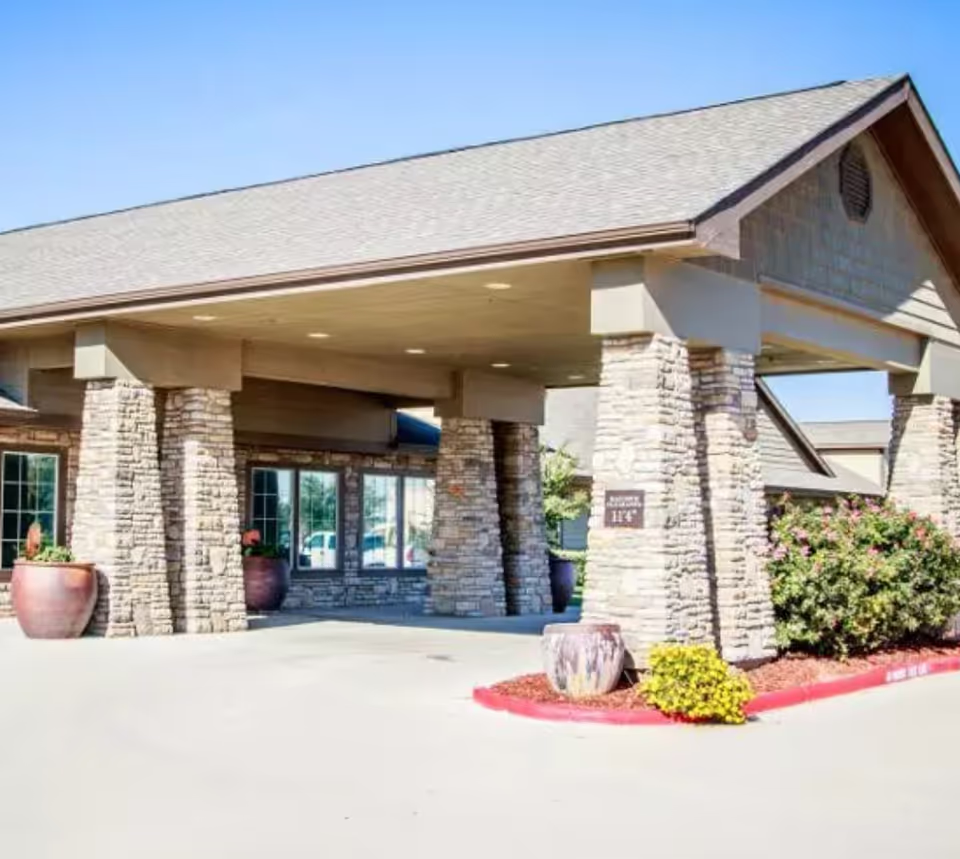
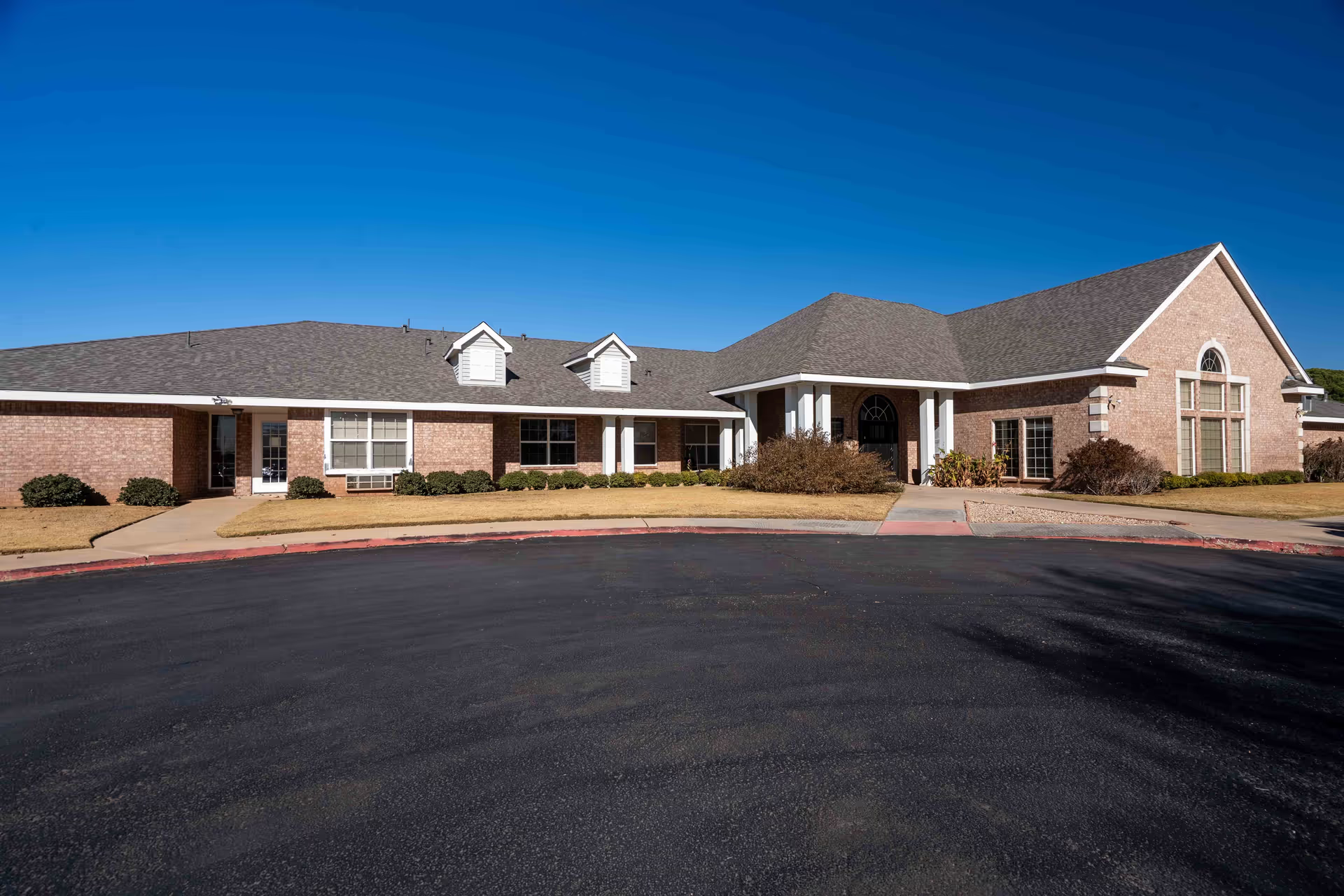
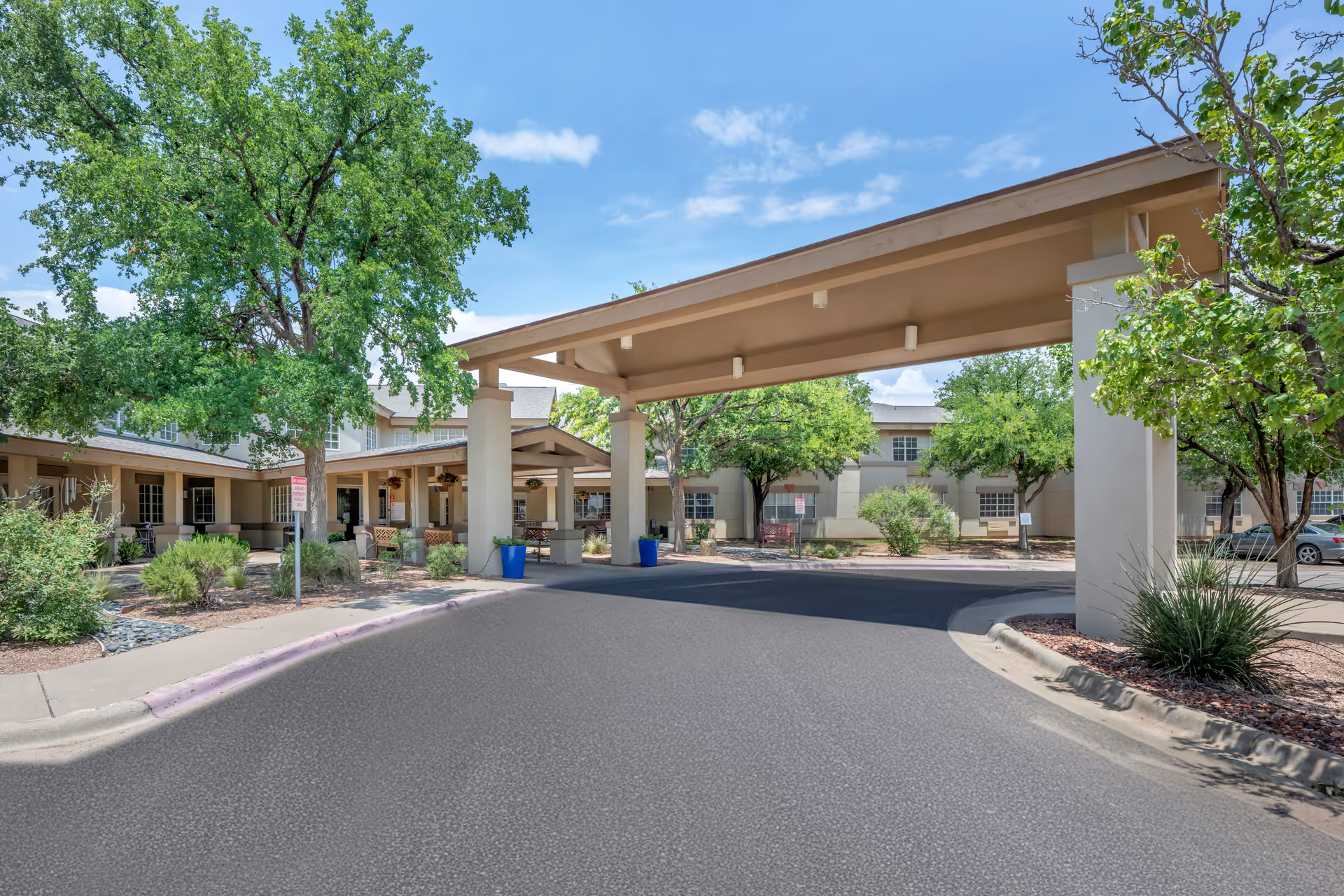
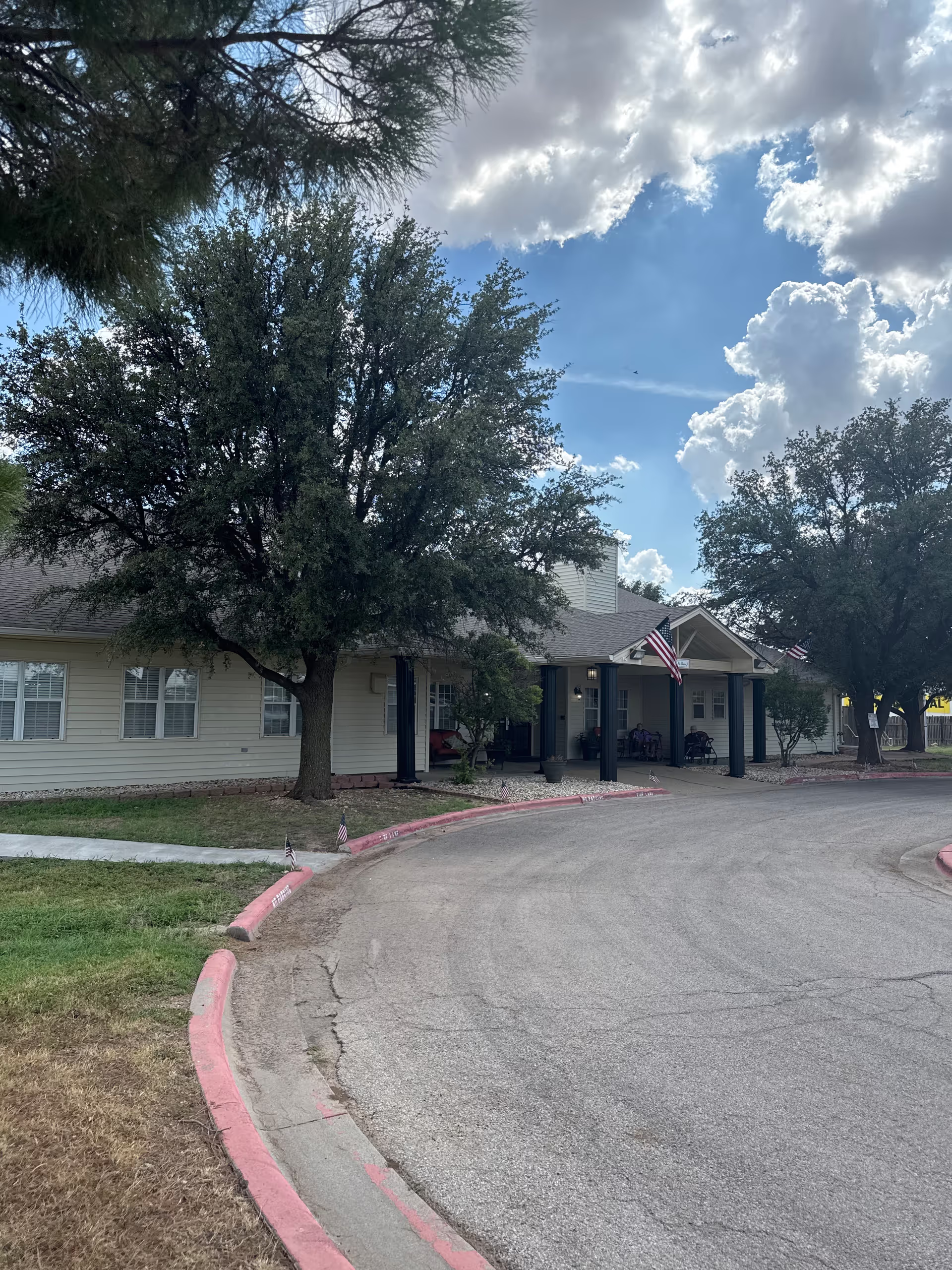
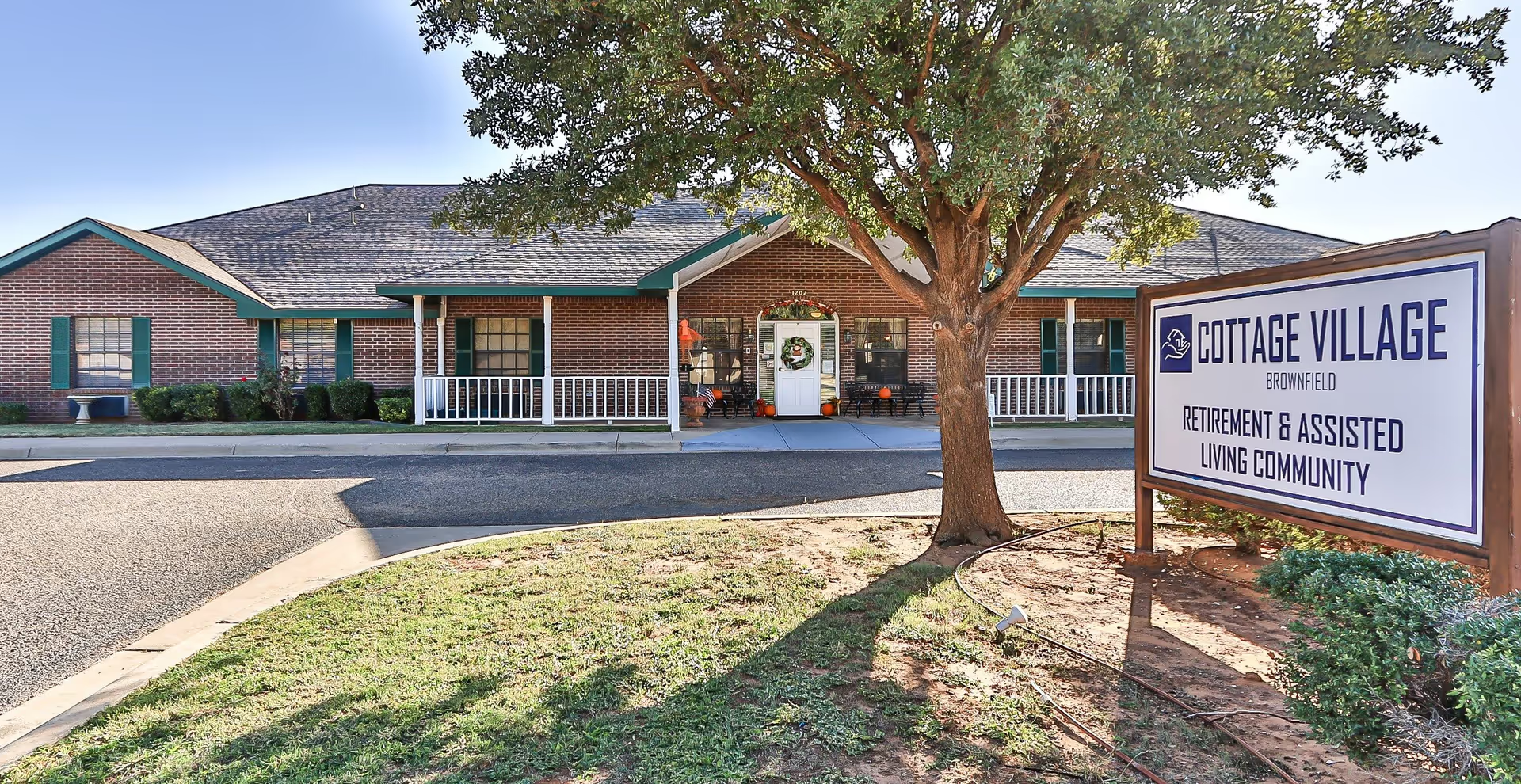
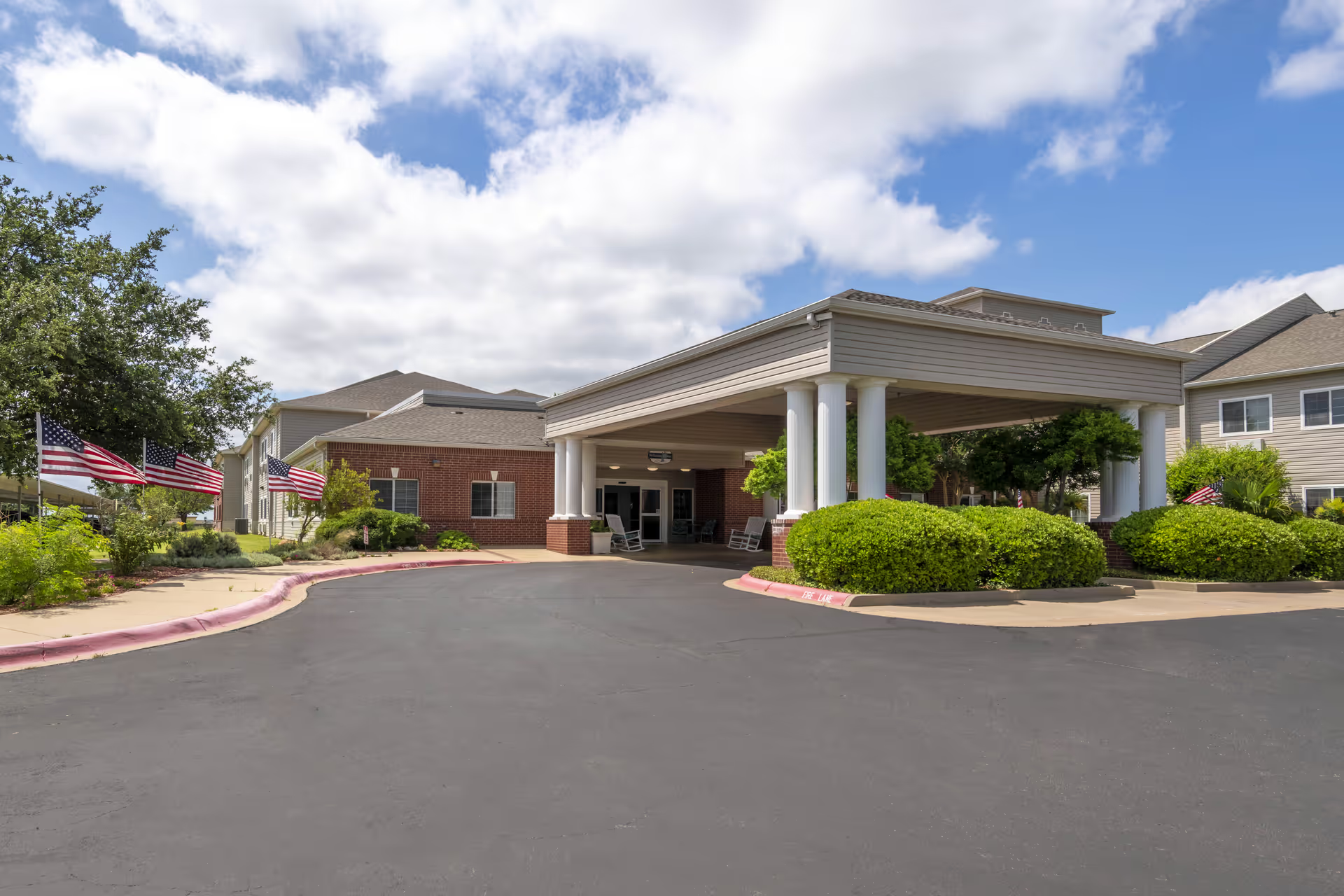
Facility comments are largely favorable, with frequent descriptions of a clean, remodeled, well-maintained building and a pleasant atmosphere. One review, however, raises cleanliness and odor-control concerns, so experiences appear to differ. Most feedback about management and staff communication is positive, though a reviewer reported difficulty reaching the facility by phone and concerns about communication tone. More serious individual concerns include reported gaps in timely personal care and medication administration, questions about dementia-specific supervision, and concerns about injuries and skin integrity. These accounts are not established as a recurring pattern by the other reviews, but families may wish to ask about monitoring, medication procedures, dementia-care training, and channels for urgent communication.