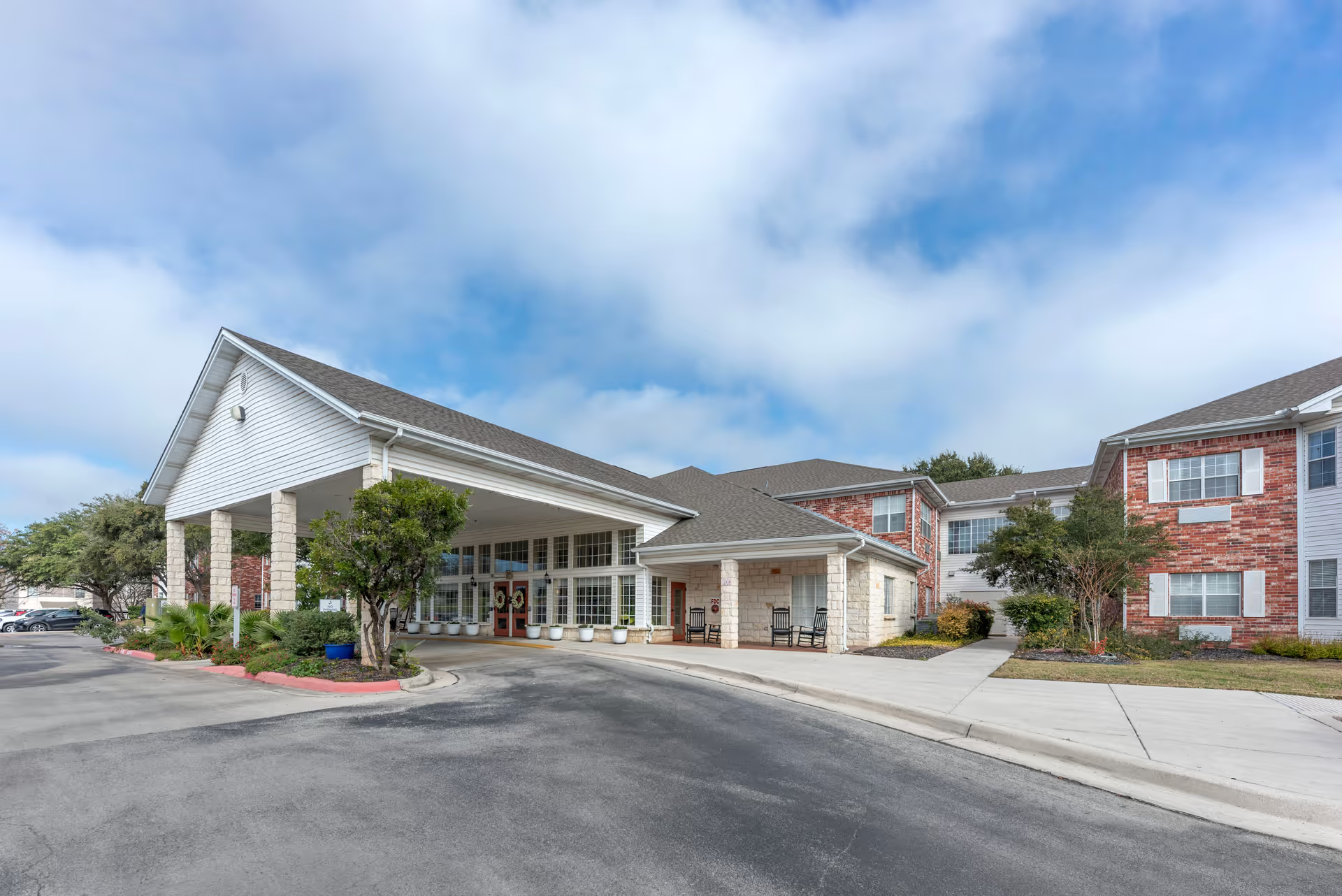
The reviews for Legend Oaks Rehabilitation and Healthcare - Kyle present a mixed but pattern-driven picture. Many families and patients praise the direct-care staff, therapy teams, and certain administrative staff for compassionate, individualized attention and measurable rehabilitation gains. The facility's therapy services (physical, occupational, speech) and some social-work interactions are frequently cited as strengths, and several accounts describe clean, comfortable common areas, pleasant outdoor views, active programming, and effective transportation to community events.
At the same time, a substantial cluster of operational concerns recurs across reviews. These concerns center on inconsistent staffing levels and an uneven skill mix among nursing and aide staff, which reviewers link to slow call-bell response times, delayed toileting assistance, and interruptions in medication delivery. Multiple accounts describe medication-administration and pharmacy coordination problems, as well as delays in addressing acute clinical changes (for example, delayed antibiotics or delayed escalation for neurologic signs). These patterns indicate gaps in clinical monitoring and escalation procedures that families should evaluate closely.
Safety and environment issues are another common theme. Reviews point to fall-prevention and transfer-safety weaknesses, wandering and supervision challenges, and variable housekeeping outcomes that include odor-control and sanitation concerns in some areas. Meal service and dining experiences are inconsistent: some diners report hot, well-presented meals, while others describe cold or highly processed options and interruptions to meal continuity. The facility layout and rooms are generally described as comfortable, with accessible outdoor views and reasonable housekeeping in many cases, but variability in cleanliness and room-level maintenance is reported.
Management and communication emerged as a mixed area. Several reviewers complimented timely admissions and coordinated discharges led by specific staff members, while others encountered chaotic admissions, poor cross-departmental coordination, billing/insurance misfilings, and inconsistent family communication after incidents. There are also descriptions of personal-property losses and supply-management lapses. A small number of serious individual incidents raised concerns following a resident's death and prompted claims of misconduct; those accounts increase the urgency of confirming the facility's incident-reporting and family-notification practices before placement.
In summary, Legend Oaks Kyle shows clear strengths in therapy, many committed staff members, and a generally pleasant physical environment. However, consistent themes around staffing variability, medication and clinical-monitoring gaps, safety practices, inconsistent housekeeping and dining quality, and uneven administrative communication suggest operational instability in parts of the care continuum. Prospective residents and families should weigh the facility's therapy and staff strengths against these operational concerns and consider asking targeted questions about staffing ratios, medication administration protocols, incident notification policies, fall-prevention measures, and how higher-acuity needs are managed. Arranging a visit during mealtime, meeting the therapy and nursing leaders, and speaking with the social worker about discharge and incident processes can help clarify whether the facility's strengths align with an individual resident's needs.