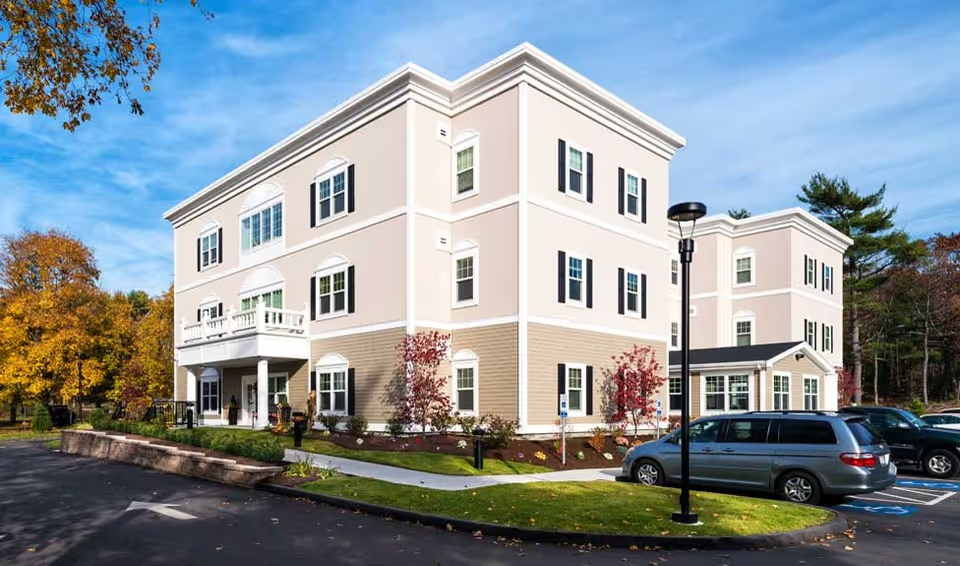
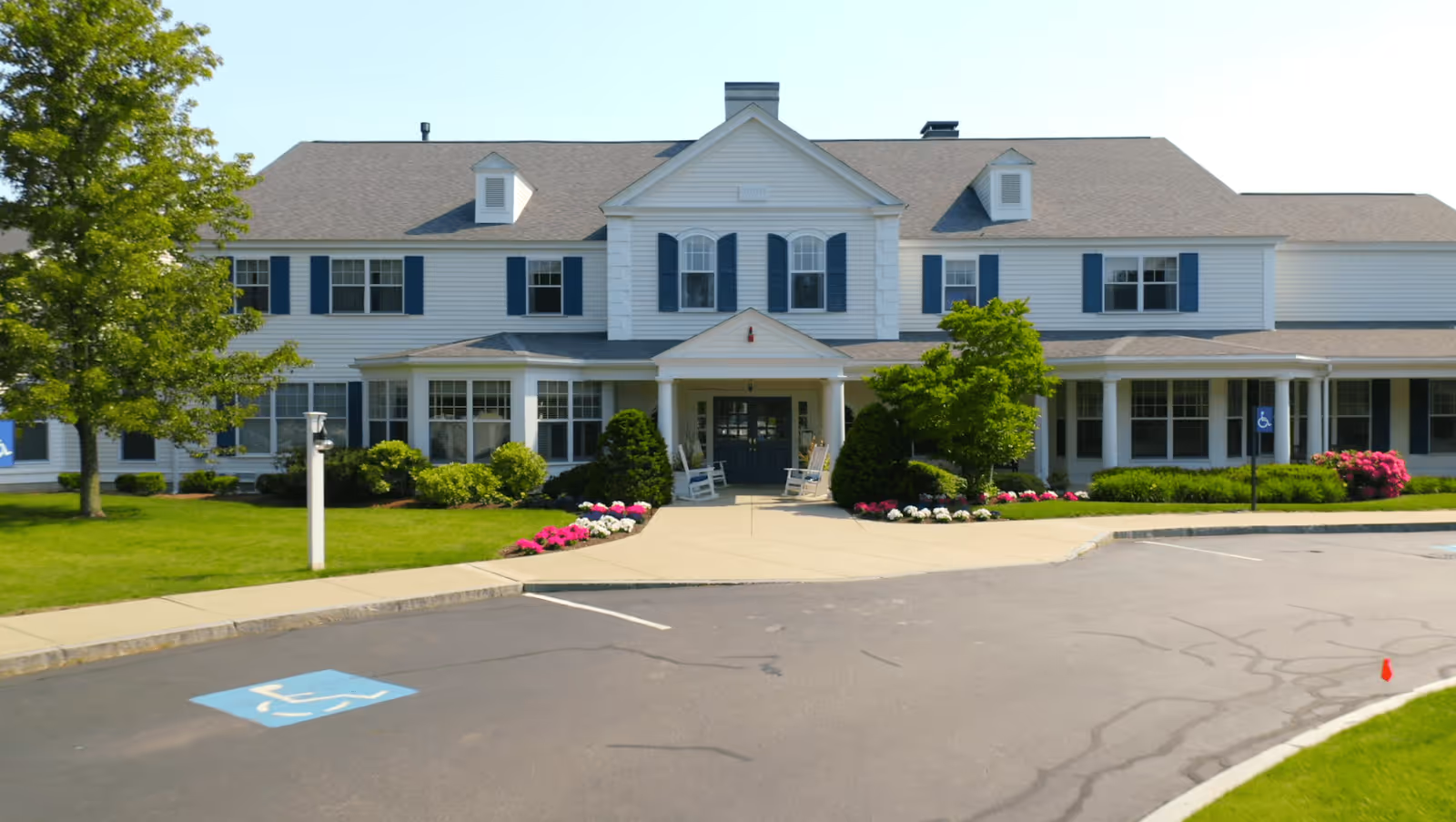
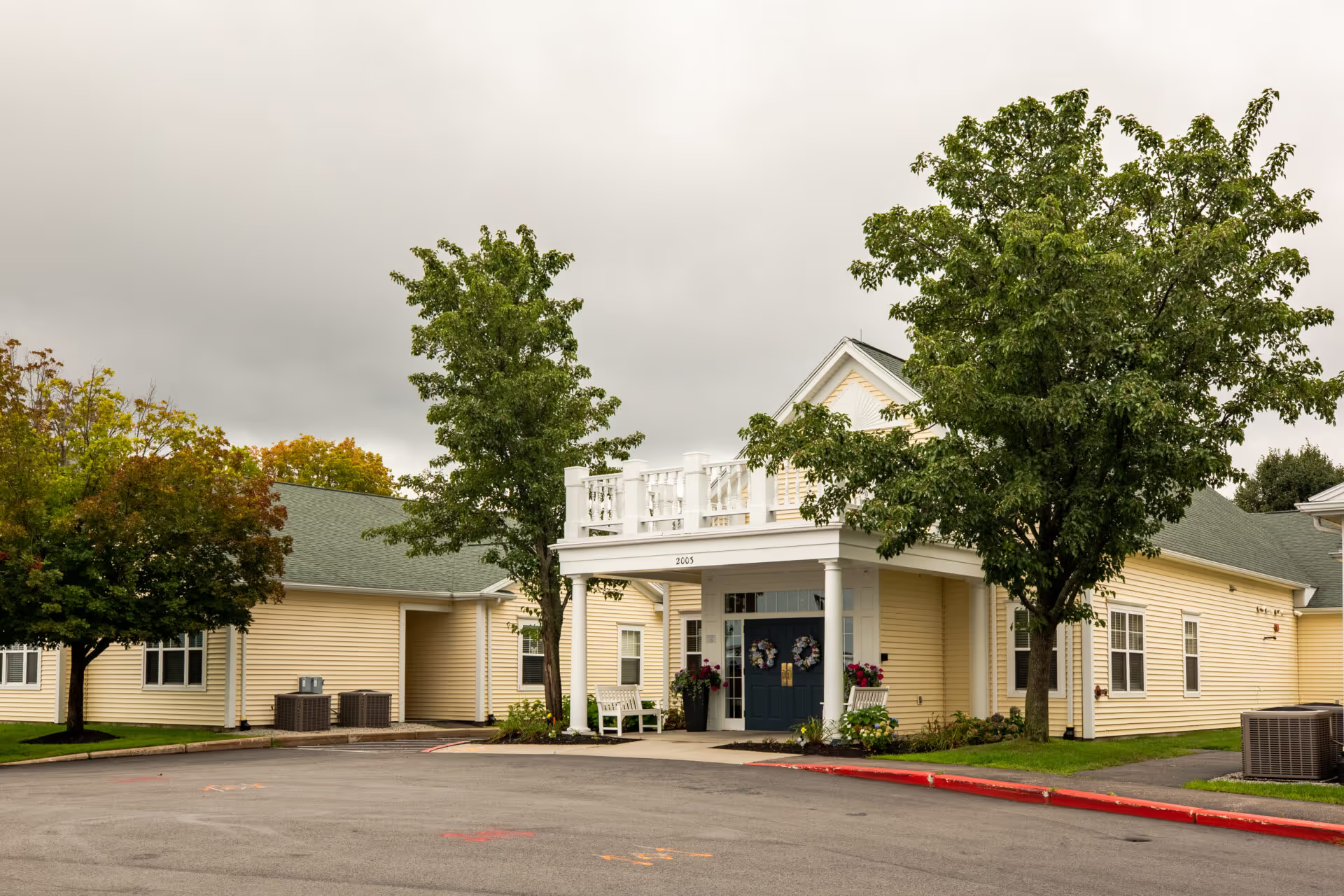
CareOne at Weymouth elicits a broad range of experiences. Many families and patients praised the facility’s rehabilitation programs, highlighting strong PT/OT/SLP teams, frequent therapy schedules, and measurable functional gains. Reviewers repeatedly noted caring and knowledgeable therapy staff, an active activities program (including family Zoom sessions and outdoor cookouts), attractive outdoor spaces, and generally well-kept rooms and common areas. Several accounts also describe helpful admissions/case-management support, assistance with transportation and durable medical equipment, and attentive front-desk interactions.
At the same time, a consistent pattern of operational concerns appears across reviews. Nursing and direct-care quality was described as uneven: while some staff demonstrated attentive, compassionate care, others were perceived as inconsistent in responsiveness and clinical practice. Multiple reviews pointed to medication administration and reconciliation problems, delayed responses to call lights, and staffing shortfalls—particularly overnight and on weekends—that contributed to longer waits for assistance. Families and clinicians frequently described communication gaps around clinical status, changes in condition, and discharge planning.
Clinical-capability issues were raised for residents with complex needs. Reviews referenced delays or gaps in wound care, device management (PICC lines, wound vacs, feeding tubes), and training or availability of equipment (mechanical lifts, suction, specialized incontinence/wick setups). These concerns suggest the facility may provide excellent rehabilitation for many patients but could be less consistent in managing high-acuity or complex post‑surgical care without close oversight. Infection-control transparency and protocol communication were also flagged by some families, as were sanitation and odor concerns in specific areas.
Administrative and logistical patterns emerged as additional areas for attention. Several reviews noted errors in documentation (emergency contacts, provider listings), billing and insurance coordination problems, and incidents involving equipment or personal-asset tracking. While housekeeping and many clinical support services received positive mentions, inconsistent meal quality/timing and occasional early wake-up practices were reported. There are also isolated, serious concerns described by families about significant clinical deteriorations and adverse outcomes; these underscore the importance of verifying clinical capabilities and escalation procedures prior to admission.
Practical considerations for prospective residents and families: this facility often performs well for short-term, rehab-focused stays with active therapy and engagement opportunities. Before admission, confirm the facility’s capacity and protocols for complex wound care, device management, and 24/7 staffing levels; review medication reconciliation and handoff procedures; identify the primary point of contact for daily clinical updates; ask about lift and suction training for staff; and clarify discharge-planning and insurance coordination processes. Where family oversight is possible, proactive communication and clear expectations can help mitigate many of the variability issues described in reviews.