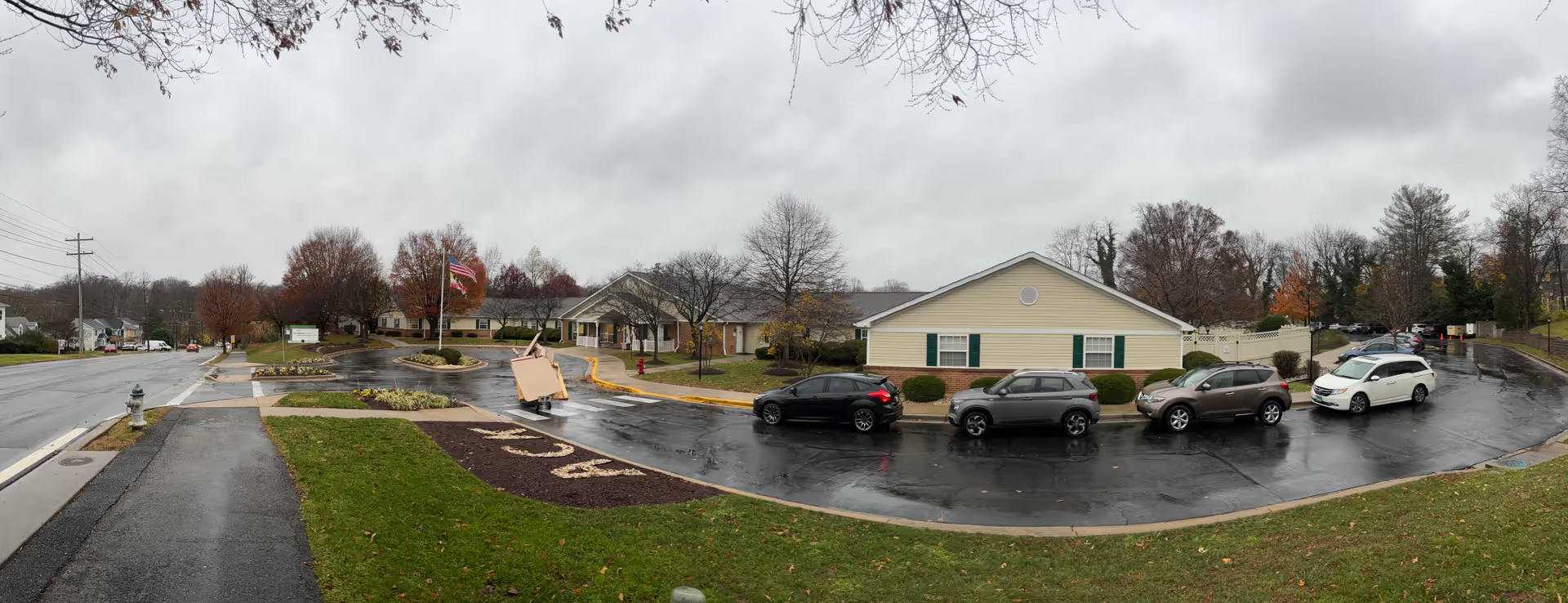
Complete Care at Wheaton elicits strongly polarized impressions. Many families and residents praise the facility for compassionate, attentive caregivers, an effective rehabilitation program, and a welcoming admissions team. Therapy staff, several nurses, and individual caregivers are repeatedly described as going above and beyond to restore mobility, support nutrition, and maintain residents' morale. The facility also receives positive notes for its activity schedule, community programming, and moments of family-like warmth.
At the same time, a recurring theme across reviews is operational inconsistency. Staffing levels — particularly at night and on certain shifts — are described as uneven, and several comments point to delays in responding to call bells and in attending to personal-care needs. Relatedly, there are multiple descriptions of gaps in medication administration and clinical monitoring, which families identify as a core safety concern. Communication between staff and families is also inconsistent: while some administrators and nurses are praised for thorough updates, others are cited as slow to return calls or to share treatment information.
Dining and nutrition receive mixed feedback. The kitchen is credited with accommodating preferences and supporting measurable weight gain in some residents, and many reviewers find the meals generally pleasing. At the same time, portion size and consistency of meal quality—particularly vegetable preparation and plate presentation—are noted as areas for improvement.
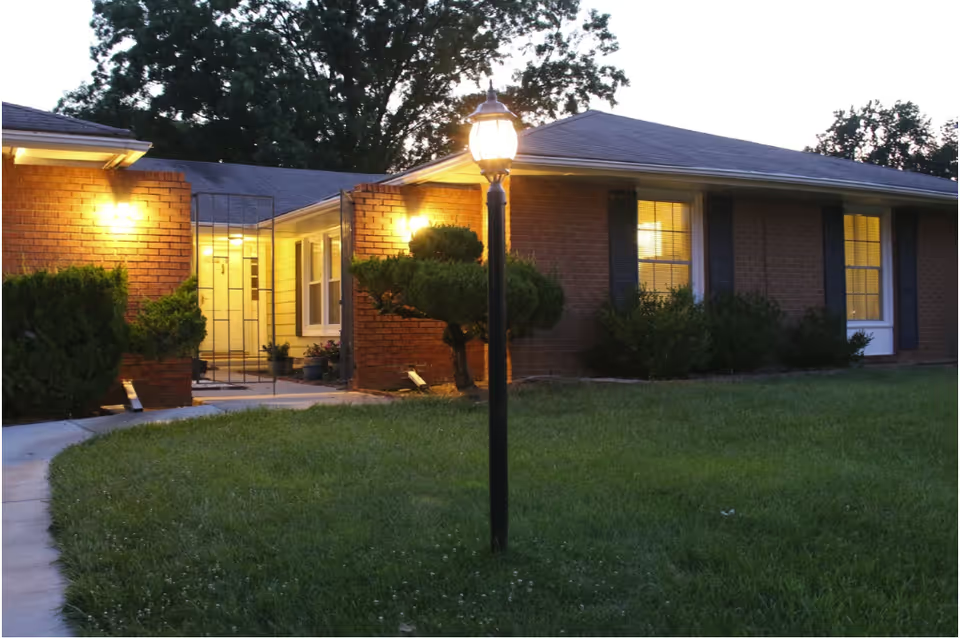
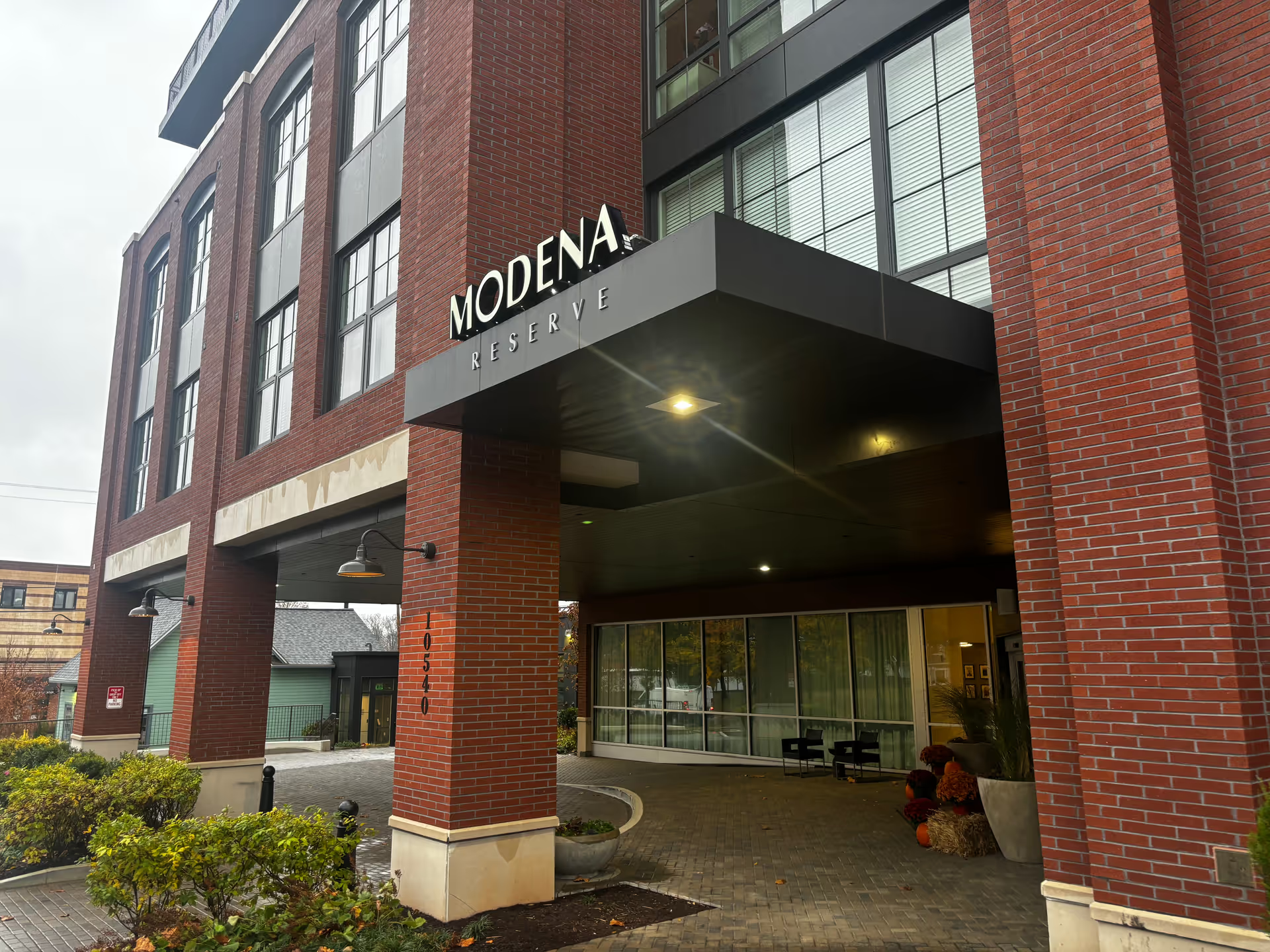
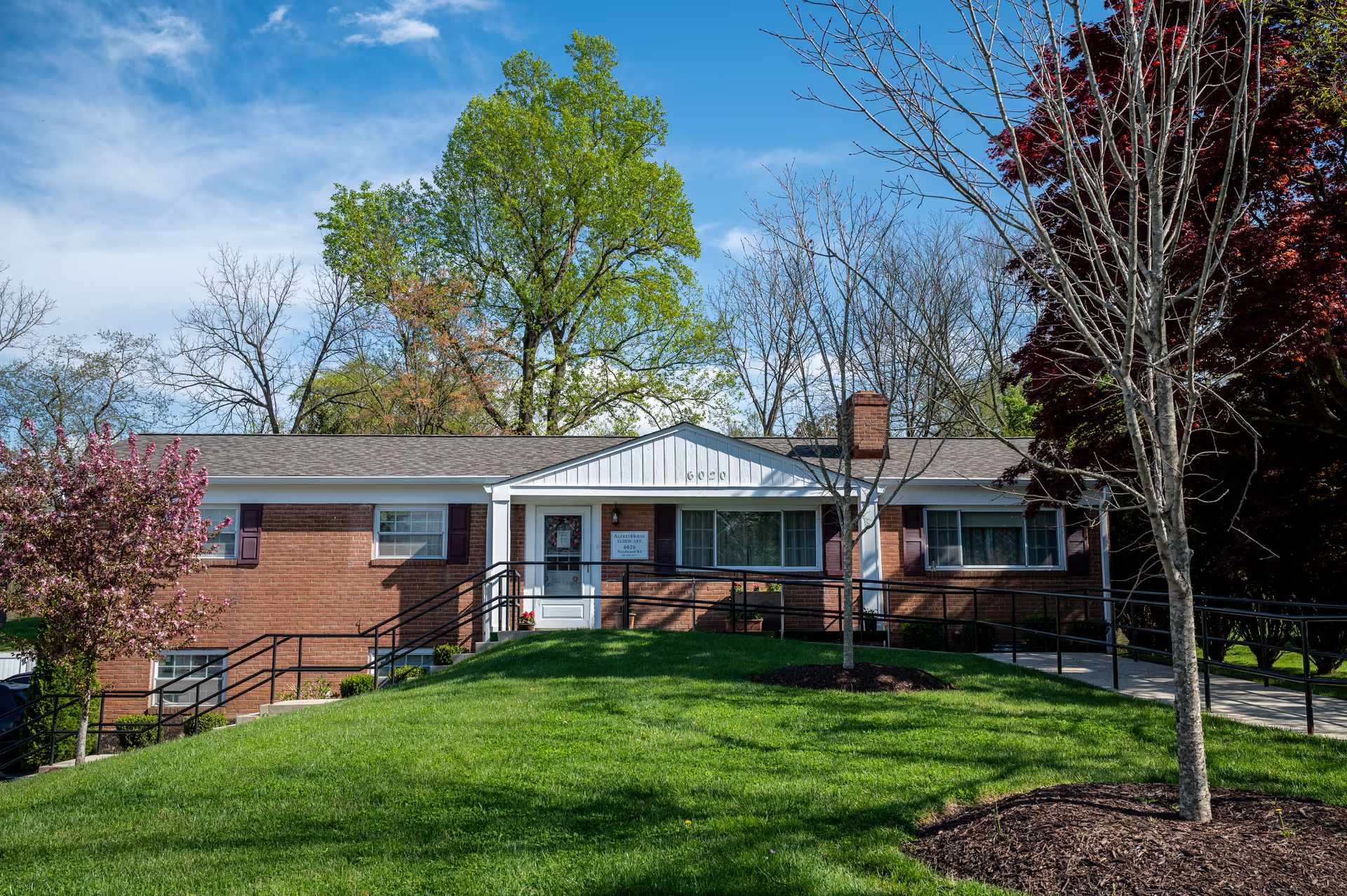
The physical plant is described in contradictory terms. Common areas and many halls are called clean and well-maintained, but there are repeated sanitation concerns and reports of odor issues in specific public areas. Several reviewers describe aging rooms and equipment (for example, manual beds and older fixtures), limited in-room amenities, and occasional supply shortages that affect daily care.
Management and administrative performance show variability. Admissions staff and some leaders receive positive mention for being patient and solution-oriented, while other comments point to paperwork delays, billing disputes, and, in a few cases, allegations of unethical behavior. A small number of reviewers raised serious allegations — including concerns following a resident's death and claims of financial misconduct — which stand apart from the broader operational critiques and suggest areas for regulatory or investigative follow-up.
Notable patterns: strengths cluster around individual staff members and the therapy program, producing good outcomes for many residents. Weaknesses center on inconsistent execution of standard processes: shift staffing, medication and monitoring protocols, family communication, sanitation controls, and administrative workflows. Prospective residents and families should weigh the facility's strong clinical and therapy resources against variability in day-to-day operations and consider in-person conversations with management about staffing patterns, medication oversight, visitation policies, and pest-control/sanitation protocols before placement.