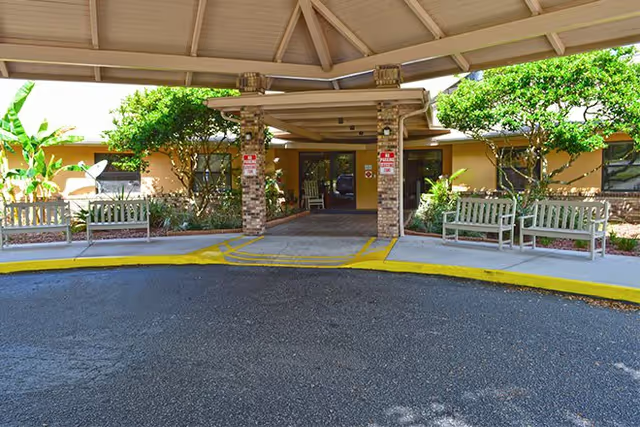
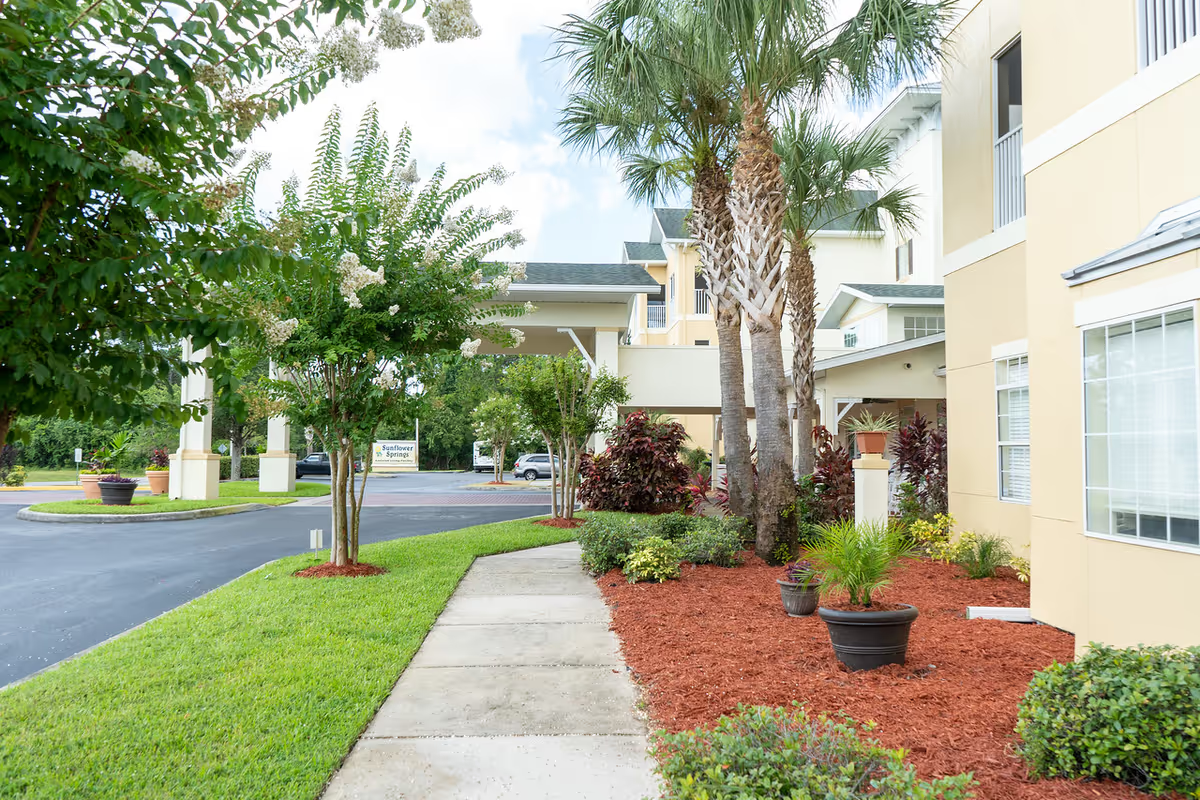
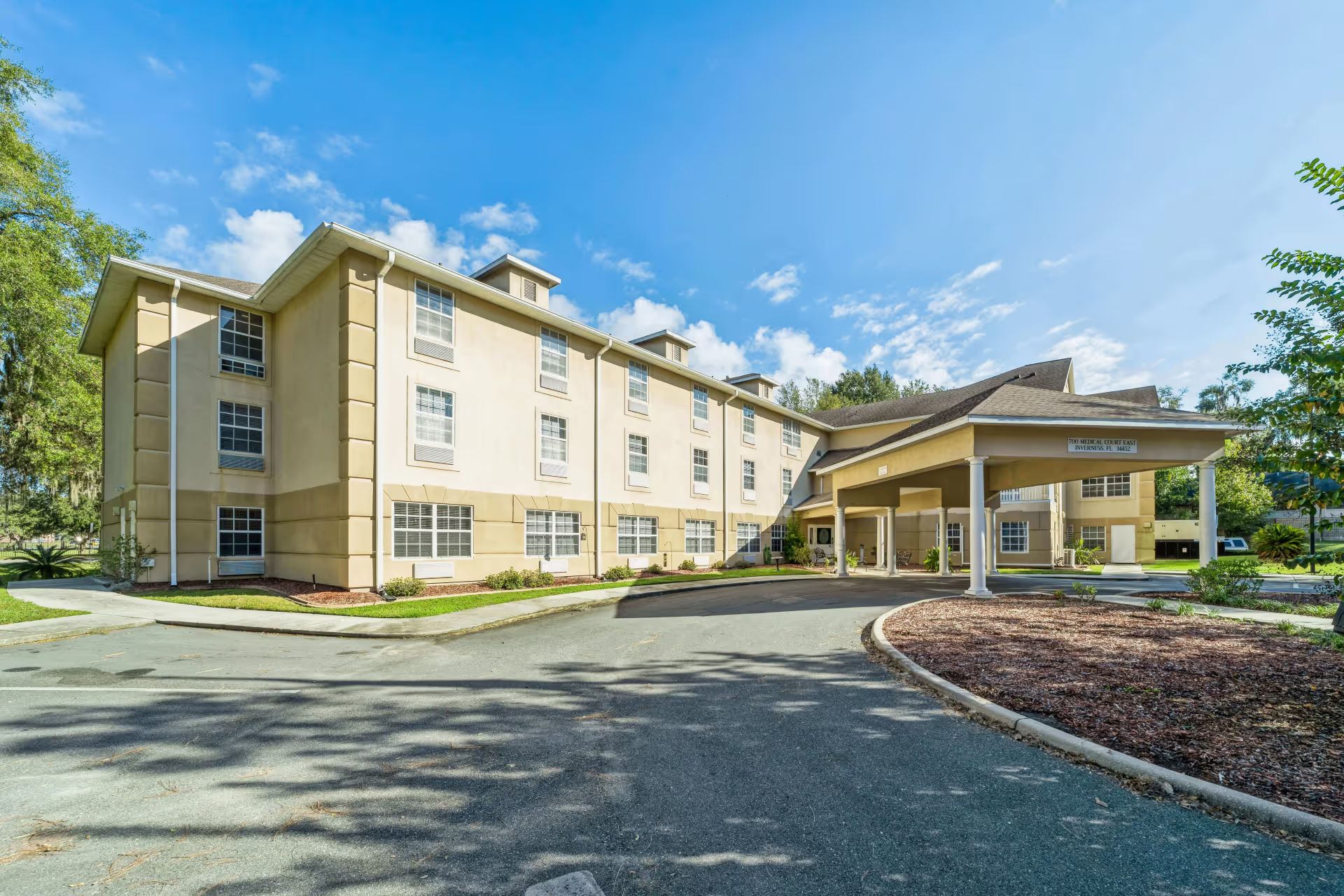
Reviews describe a facility with a mixed performance profile: several families and clinical visitors praised the hands-on caregiving, especially among CNAs and therapy staff, while others raised significant operational concerns. Strengths most consistently noted include attentive bedside care by specific nursing assistants and strong therapy services—physical and cardiac rehab receive frequent positive mention for helping residents regain mobility. The activity program and communal life are also highlighted: a range of social events (bingo, crafts, movie nights, ice-cream socials) and transport/shuttle options contribute to resident engagement. Many reviewers also found the building and grounds to be clean, updated, and comfortable, with spacious rooms and welcoming common areas.
Staff performance is a particular area of divergence. Numerous accounts emphasize compassionate, responsive nurses and aides and examples of administrative responsiveness and family-focused care. At the same time, other accounts describe inconsistent professionalism, curt or unresponsive interactions, and difficulties obtaining timely assistance. Short staffing and turnover are recurring operational themes that reviewers link to delayed responses to call lights, therapy interruptions, and variable attention to personal-care tasks.
Dining and nutritional services show notable variability. Positive comments reference alternatives, a salad bar, and occasional well-prepared meals. Contra to that, multiple accounts describe poor meal quality, small portions, cafeteria-style service, and failures to follow prescribed dietary restrictions (for example, gluten-free or vegetarian plans). These issues raise concerns about dietary adherence and continuity of therapeutic diets. Families should inquire specifically about how the facility manages allergies, therapeutic diets, and special-meal requests.
Clinical-safety and administrative patterns also emerge. Several reviews note concerning events connected to medication timing and monitoring, delayed medication administration, and questions about potential drug interactions—operational weaknesses that warrant direct discussion during a tour. There are also reports that indicate lapses in infection-control practice consistency and pest-control concerns in some areas, as well as isolated serious infection events that resulted in hospitalization. Administrative follow-through is uneven in some accounts: delayed paperwork handling, difficulties obtaining medical records, and questions about valuables handling and property security were cited.
Rehabilitation and discharge planning obtain mixed assessments. While many families praise short-term rehab outcomes and well-equipped therapy spaces, others describe gaps in therapy continuity (delayed starts or limited frequency) and insufficient preparation for home-level tasks (stairs, self-care tasks, device use). Those considering a stay should ask for a detailed therapy plan, expected frequency of PT/OT, and concrete home-readiness goals prior to discharge.
Overall, Diamond Ridge Health & Rehab presents a blend of clear strengths—compassionate caregivers, strong therapy resources, and a clean, activity-rich environment—and operational weaknesses that affect the resident experience for some families, notably in medication management, dietary adherence, staffing consistency, communication, and administrative processes. Prospective residents and families would be well served to tour the facility, meet specific staff members, review medication and dietary protocols, request examples of discharge and therapy plans, and clarify policies for valuables and records before making a placement decision.