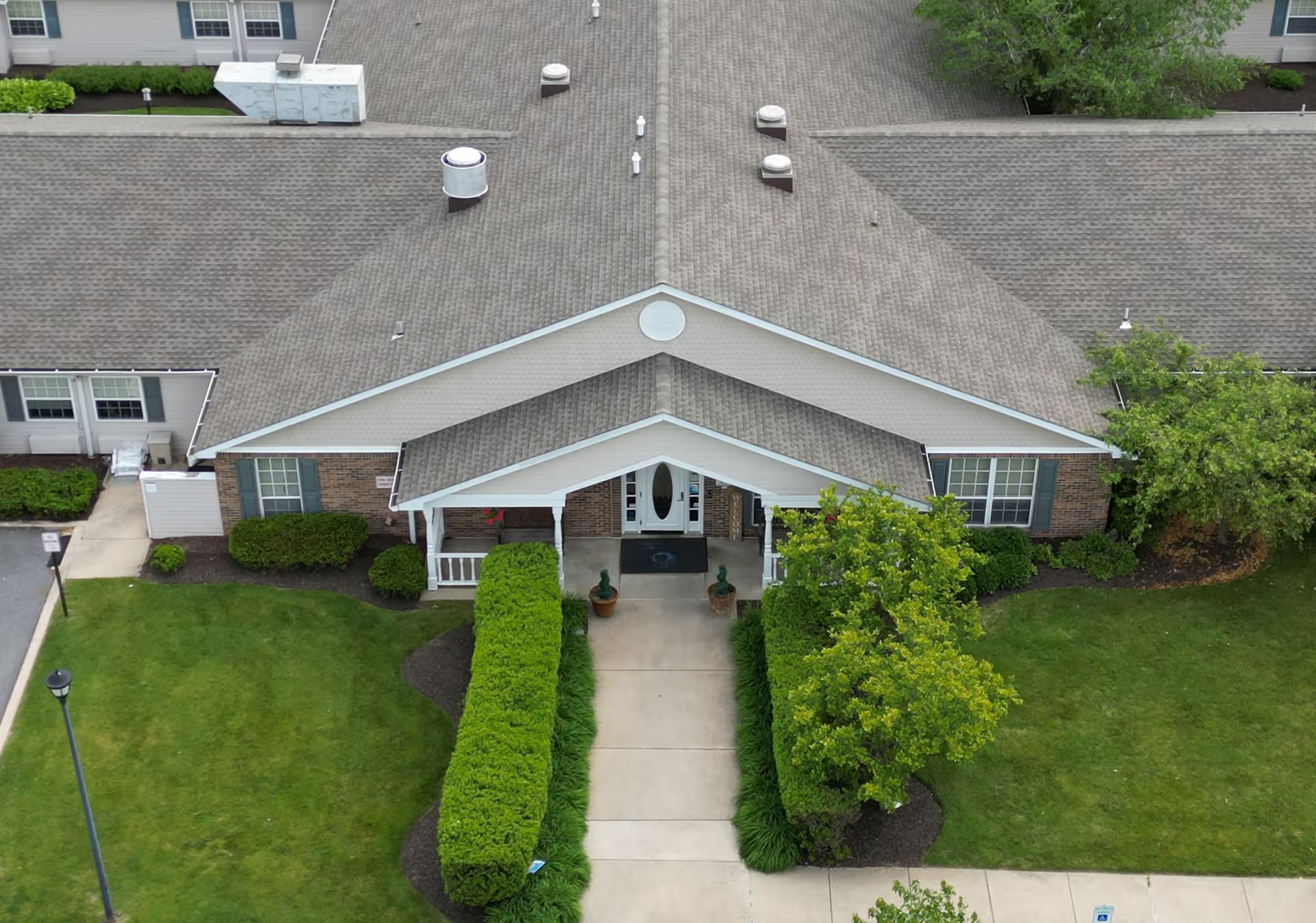
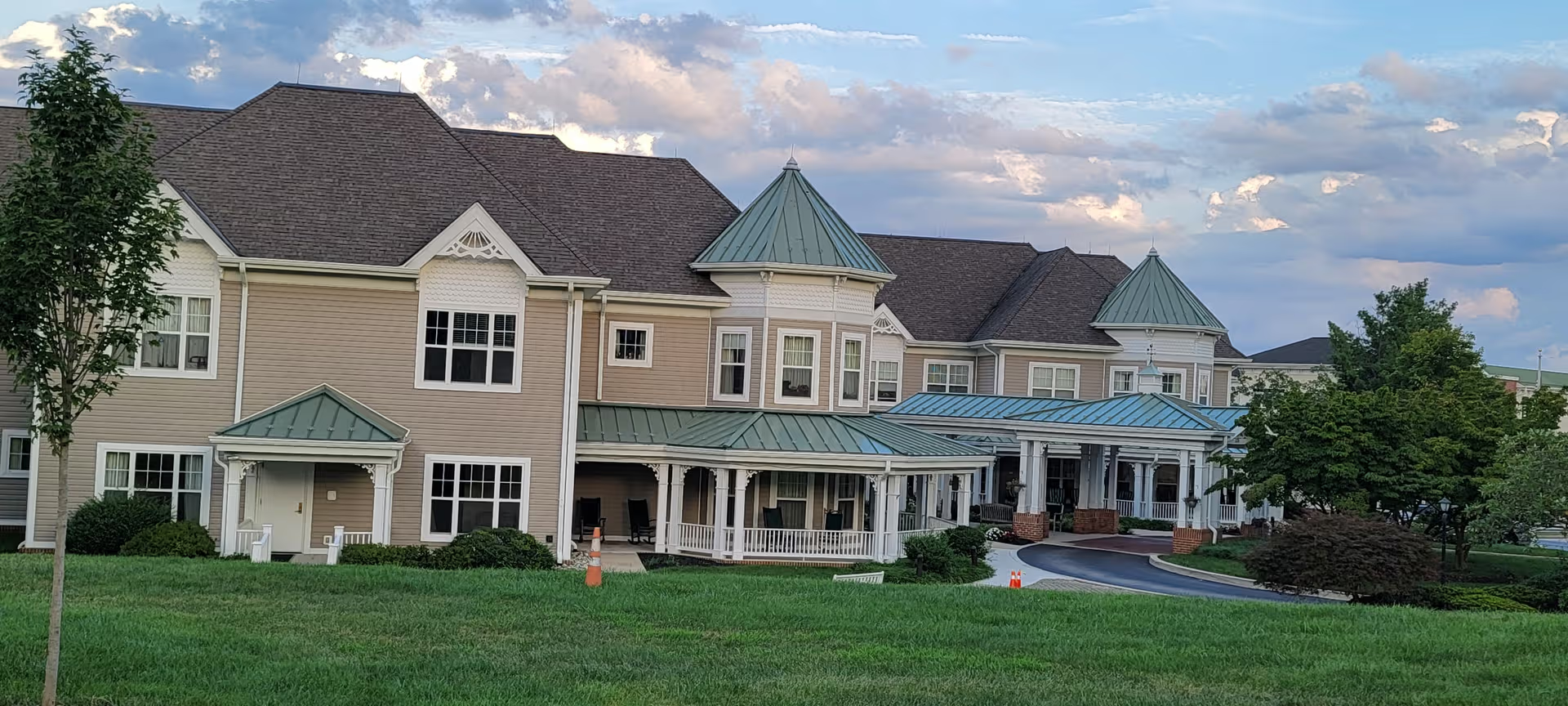
Reviews of Naamans Creek Country Manor describe a facility with clear strengths in rehabilitation, social supports, and many elements of daily living, coupled with notable variability in clinical and operational consistency. Strengths most often cited include a skilled PT/OT program and effective short-term rehabilitation that facilitates discharge to home; compassionate CNAs and nurses on many shifts; and attentive social workers and admissions staff who support transitions. Housekeeping and maintenance are frequently described as dependable, and common areas are often bright and well kept. The facility's social programming, visitors' lounge, and pet-friendly policies are repeatedly mentioned as contributors to resident wellbeing.
Care quality impressions are mixed. Numerous families praised hands-on caregivers, responsive nursing, and strong teamwork on several units, particularly within the rehabilitation program. At the same time, a pattern of uneven care emerges: reviewers reported variability in CNA and nursing performance between shifts and floors, morning-shift turnover issues, and lapses in basic assistance such as bathing and incontinence-care. Several accounts raised concerns about wound and skin-care vigilance and feeding-tube management, suggesting opportunities to strengthen protocols for high-risk residents. There is also at least one serious allegation regarding acute medical response; while not establishing a pattern, it highlights the importance of clear clinical-incident response procedures and family communication during critical events.
Dining and nutrition are another area of contrast. Many reviewers appreciated plentiful meals and attentive hydration service, while others flagged cold or late service, unappetizing preparations, and failure to accommodate prescribed dietary restrictions (notably diabetic menus). These reports point to inconsistent meal-service execution and the need for tighter adherence to therapeutic diets and meal-timing standards.
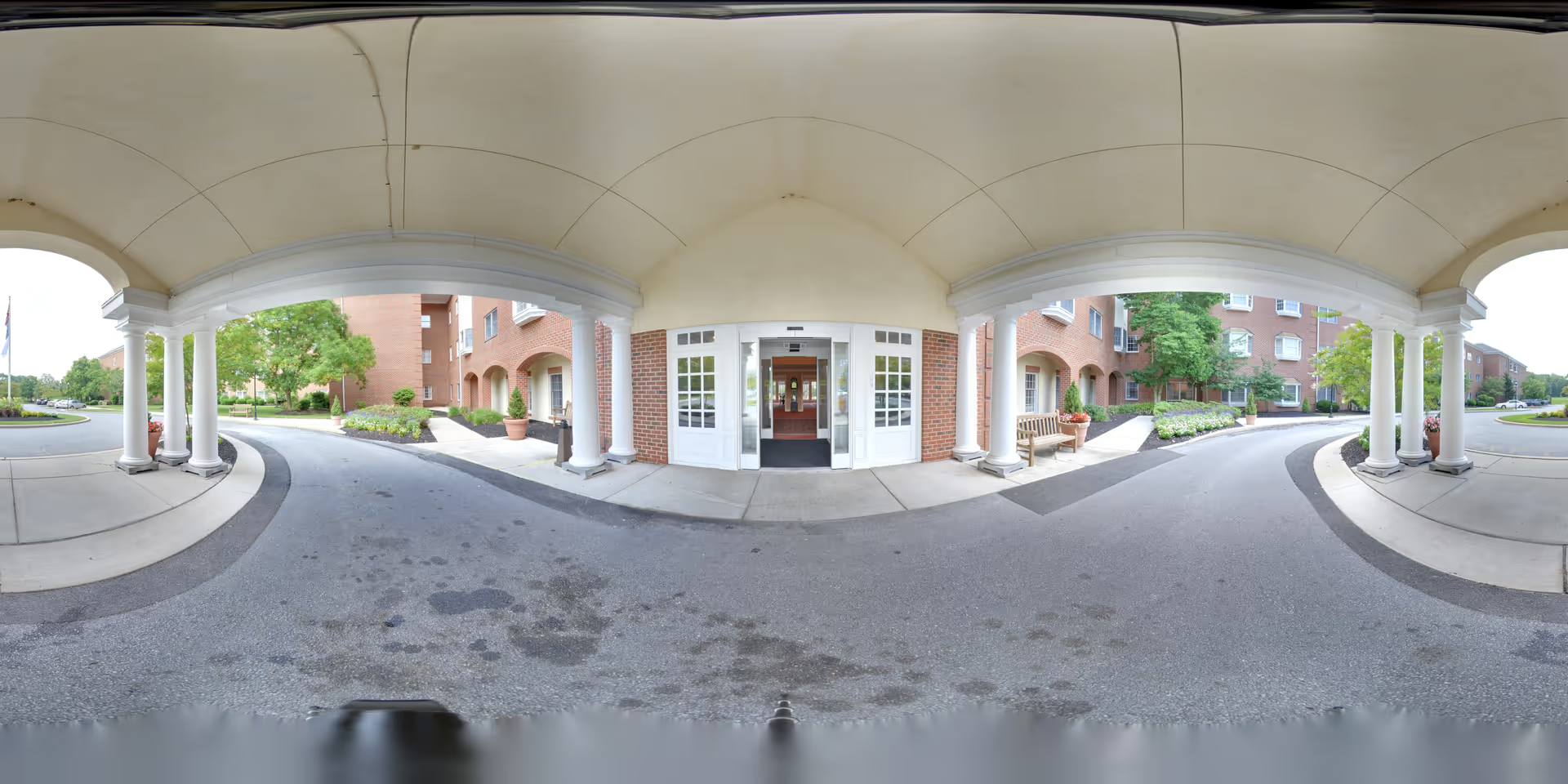
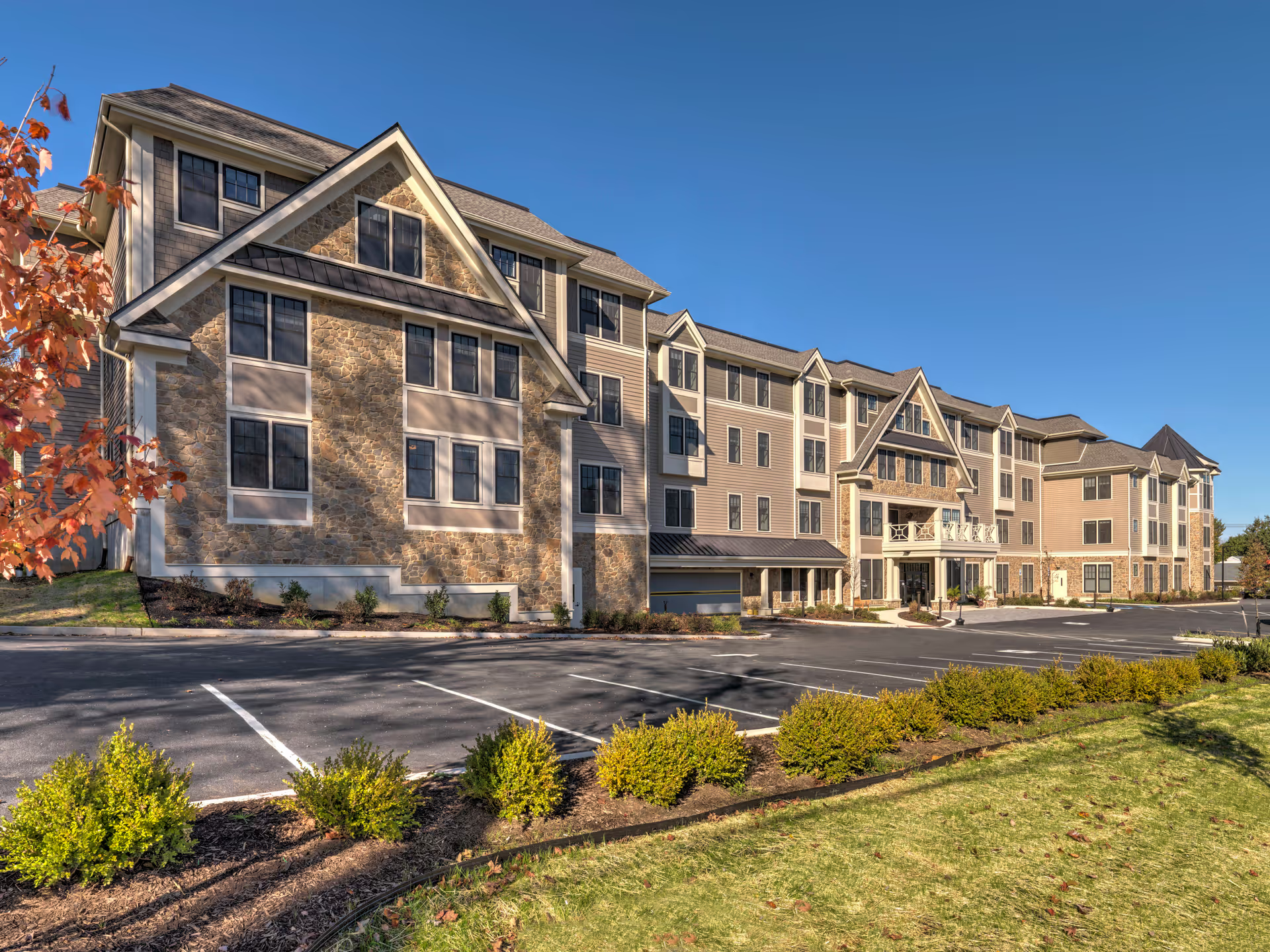
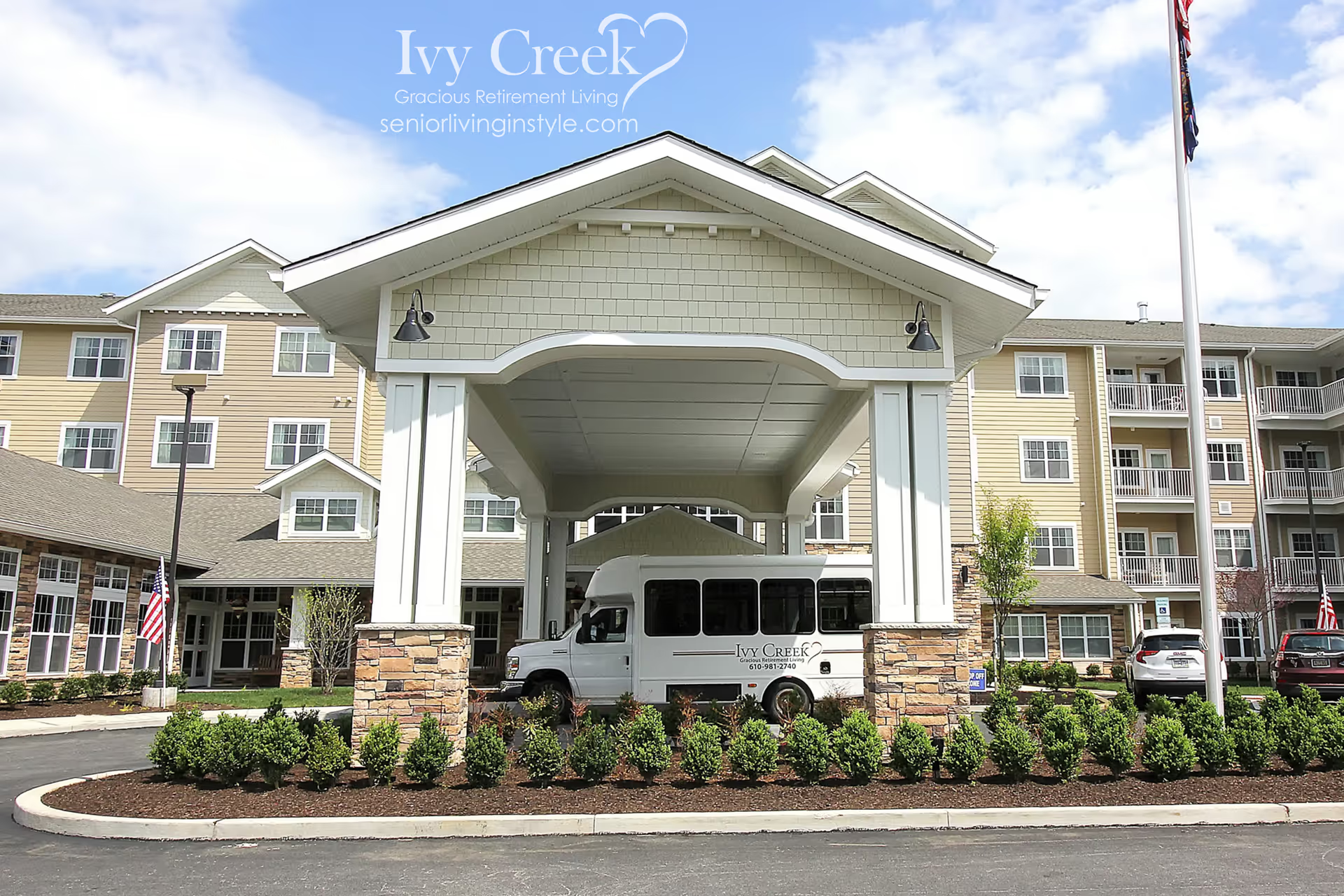
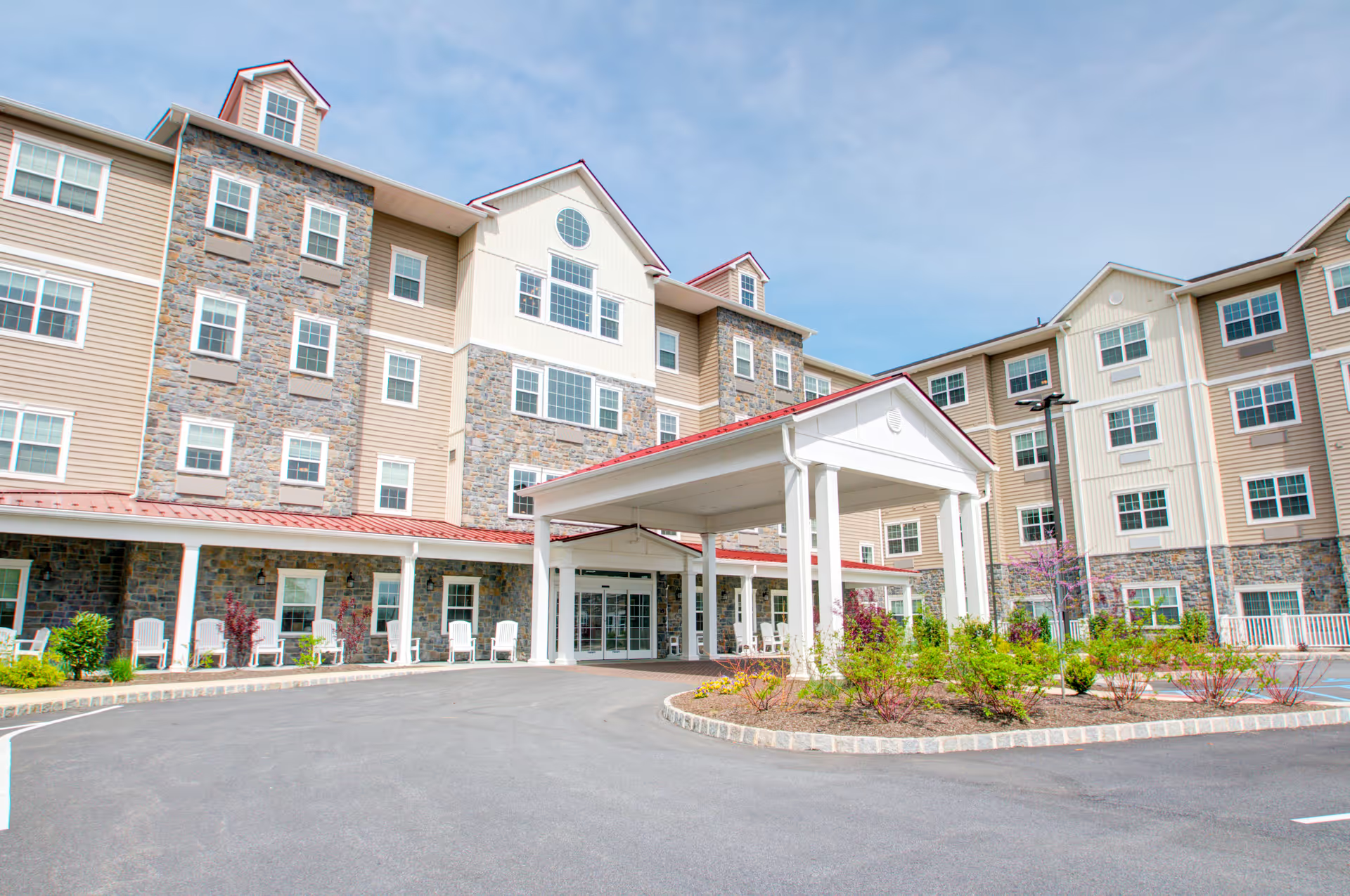
Facility amenities and environment receive generally favorable comments—clean, fresh-feeling common spaces, accessible bathrooms in some rooms, and a welcoming visitors' area. However, a recurring operational concern is intermittent odor issues in certain areas and small or shared rooms that reduce privacy for some residents. Management and leadership draw mixed feedback as well: social workers, the admissions team, and some administrators receive praise for communication and family support, yet reviewers also describe variability in unit-level leadership, disagreement resolution, and billing/insurance coordination.
Overall, prospective residents and families can expect strong rehabilitation services, many caring staff members, and solid support from social-work and admissions teams. Key decision factors should include the potential for variability in day-to-day caregiving quality, the facility’s ability to meet specific dietary and clinical needs consistently, and rooming/privacy options. Families considering Naamans Creek may wish to discuss staffing patterns by shift and unit leadership, review clinical protocols for skin care and feeding-tube management, and establish clear communication channels for dietary and billing concerns prior to admission.