Atria Valley Manor is primarily an independent-living community with a smaller, neighborhood-like atmosphere. Residents and families commonly value the opportunity to maintain independence while having meals, housekeeping, transportation, activities, and basic safety supports available. Staff are frequently described as friendly, patient, and responsive, with positive comments about maintenance, housekeeping, activity staff, and management. Families also describe staff as welcoming to residents with differing needs and attentive during difficult situations. The community offers check-ins and emergency-response systems, but it is not an on-site assisted-living or memory-care setting; people whose support needs increase may need to arrange outside services or move elsewhere.
Dining feedback is mixed, though many residents and visitors praise the food, variety, and café or restaurant-style setting. Others find the meals inconsistent or not suited to their preferences. The meal program is often described as a significant convenience, but prospective residents should confirm which meals and services are included in the current pricing and ask about menu options. A few visitors also describe the dining room as small, and some apartments require going outdoors to reach it.
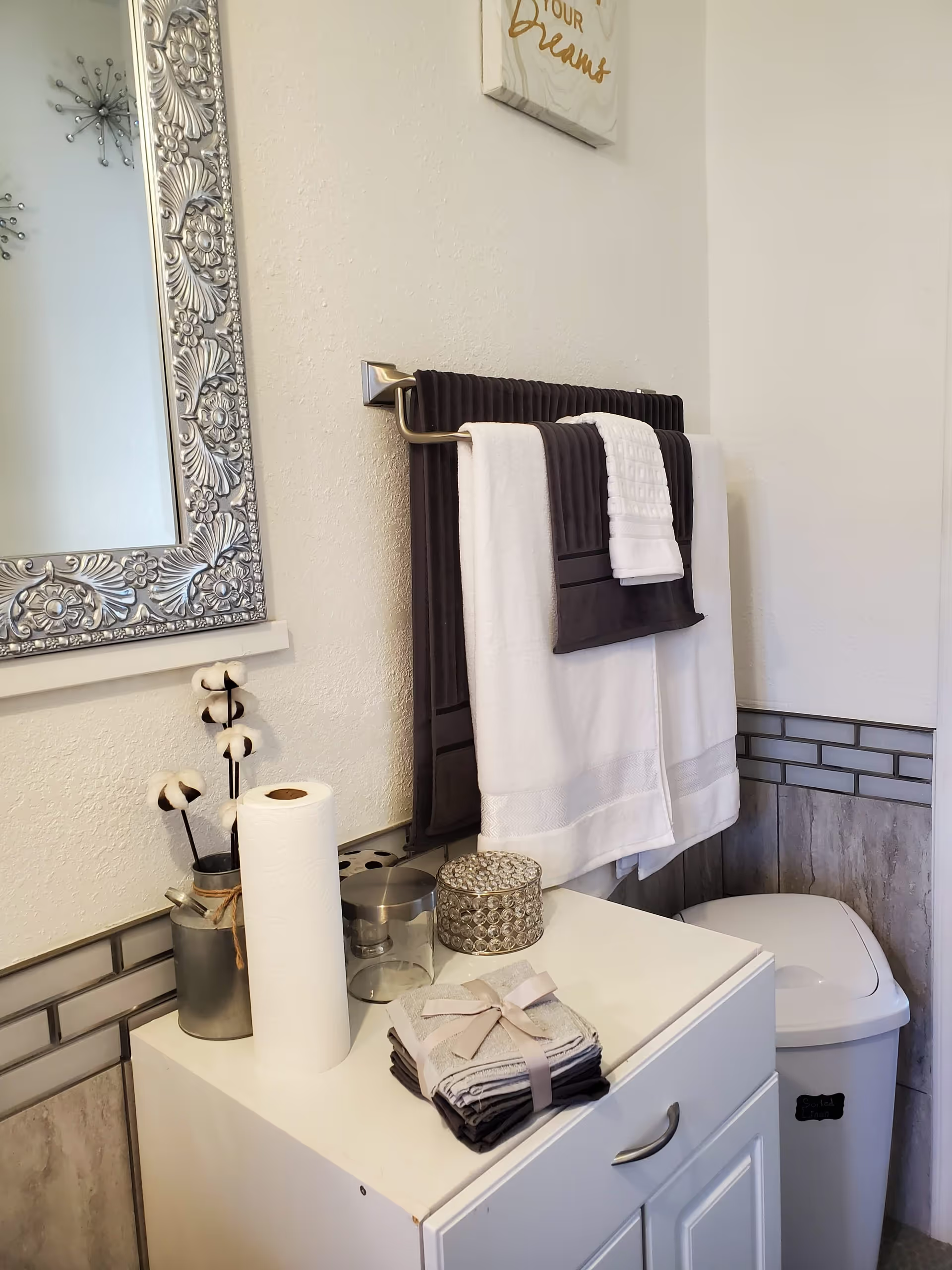
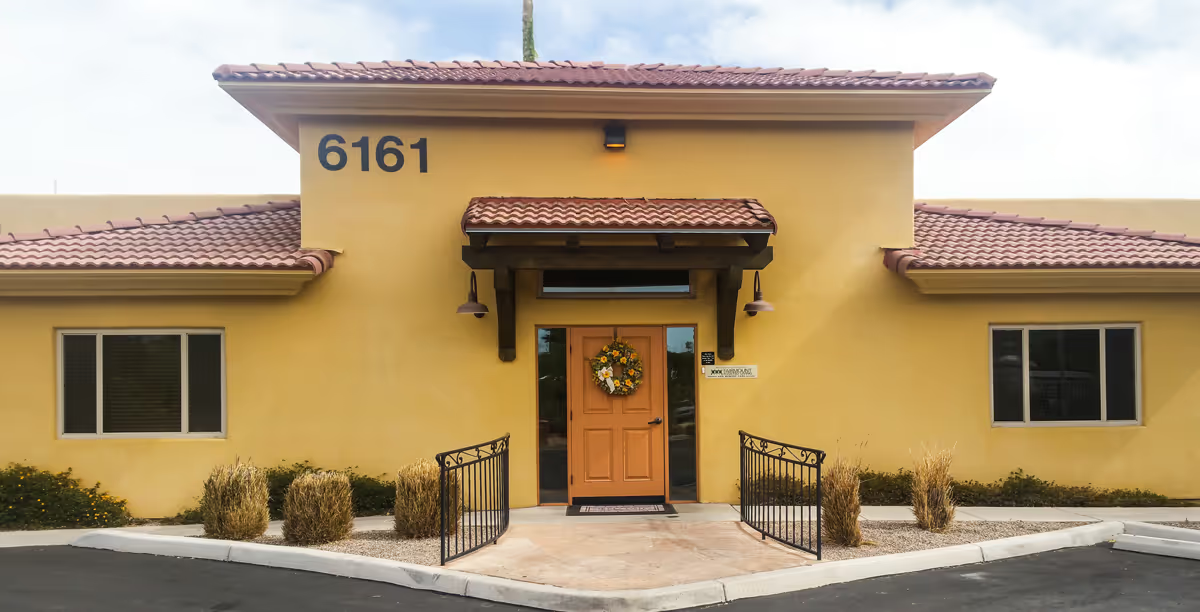
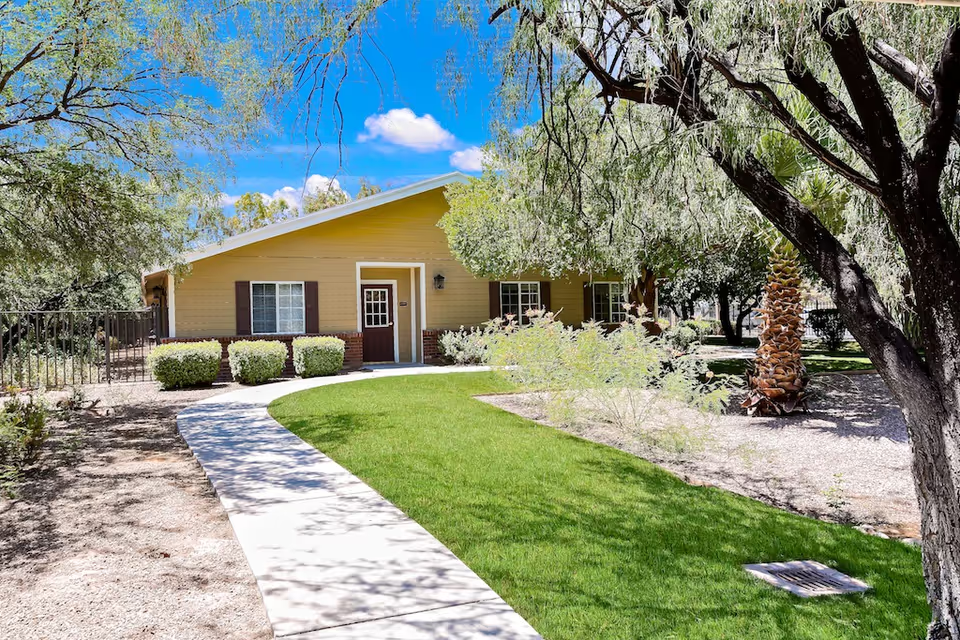
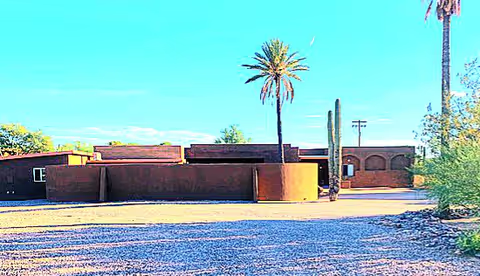
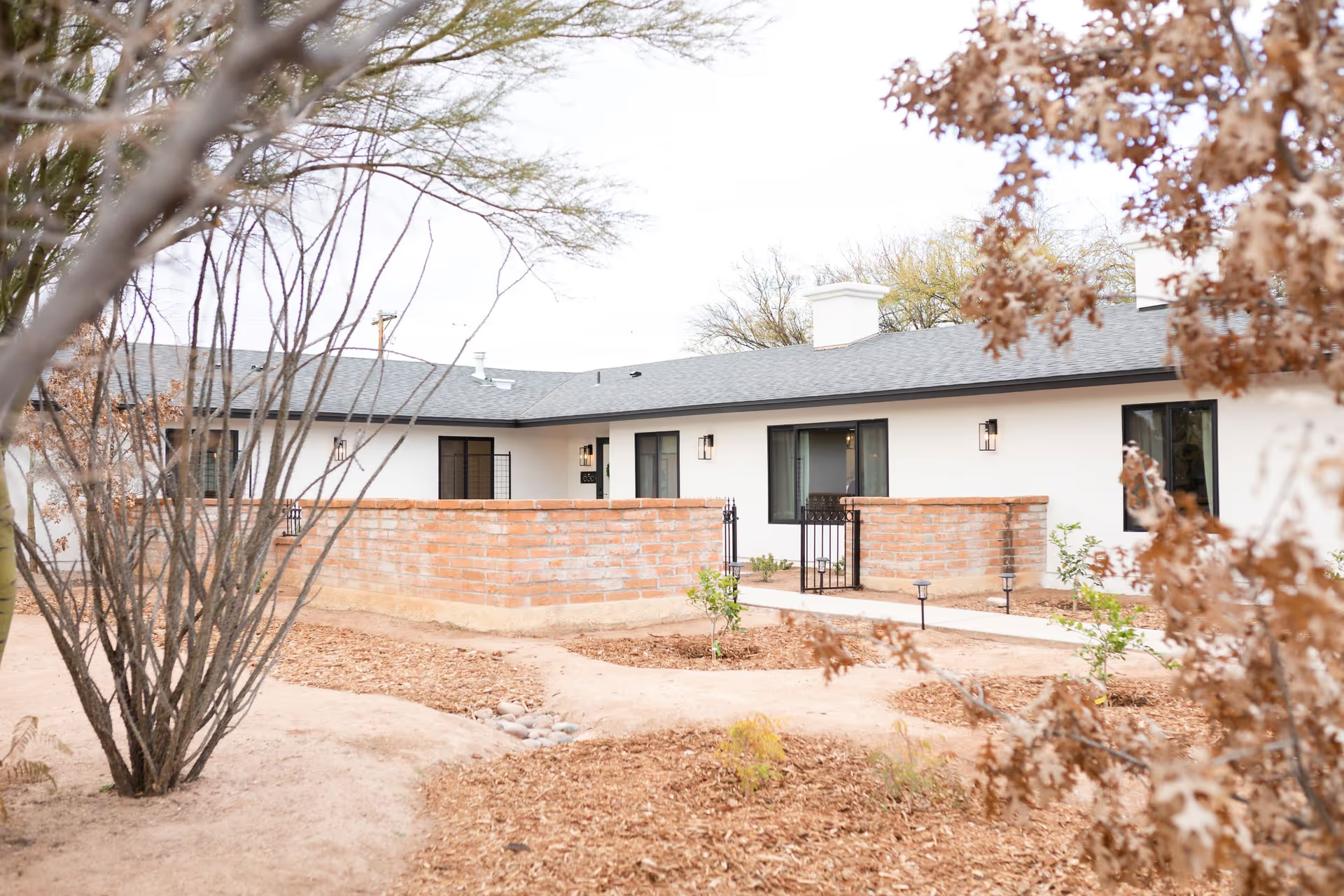
Apartments are a prominent strength: reviews often describe them as roomy, comfortable, and more home-like than conventional apartment settings, with patios, gardens, and outdoor entrances. The mostly single-story layout, walkways, and outdoor areas appeal to residents who value easy access to the outdoors. Many reviews praise the grounds and general upkeep, while others describe the buildings or finishes as dated and raise occasional concerns about housekeeping or exterior maintenance. Some units lack in-apartment laundry, and comments on room size and accessibility vary by unit and resident needs.
Residents and visitors describe a schedule that can include exercise classes, games, crafts, movies, entertainment, outings, and social events. Many appreciate the opportunity to make friends in a smaller community; a few visitors felt the activity spaces were limited or that programming was less extensive or vigorous than they wanted. Management and tour experiences are generally rated positively, and several residents praised the community’s pandemic-era communication and support. Views on value differ: some consider the setting a good value, while others compare its cost unfavorably with newer options or find the location inconvenient. One strongly negative account questioned management’s trustworthiness and food limitations; this differs from the broader pattern of favorable comments, but prospective residents may wish to discuss dining policies and costs directly.