The reviews present a polarized picture of care at this facility. Many families describe compassionate, attentive caregivers who communicate well with relatives, advocate on behalf of residents, and provide strong end-of-life support. Positive accounts emphasize clean rooms, comfortable accommodations with television access, enjoyable meals, and an engaging activity program that includes entertainment and weekly religious services. Several reviewers characterized clinical care as high-quality and praised staff responsiveness when issues were escalated.
Counterbalancing those positives are consistent operational concerns. A portion of reviews describe staffing shortfalls and slow response times to resident calls; examples include extended delays in call-light response and in provision of safety items such as bed rails. There are recurrent mentions of gaps in formal medication review and pain-management processes, and some families reported therapy or rehabilitation plans that were not delivered as expected. These patterns suggest uneven clinical oversight and variability in day-to-day care delivery.
Dining and programming are also inconsistent across reports. Some residents and families praised meal quality and the activity director, while others experienced disappointing meals and variability in kitchen operations. The activity program and religious services were frequently cited as strengths for social engagement, but meal experience appears to fluctuate by unit or time period.
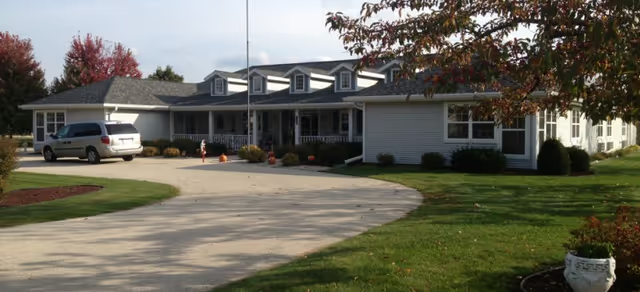
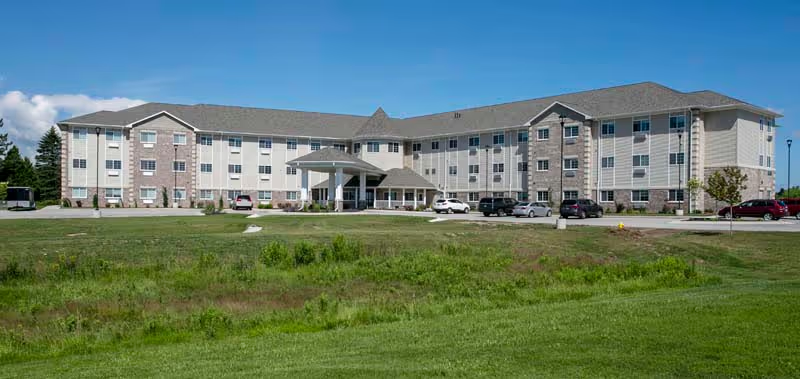
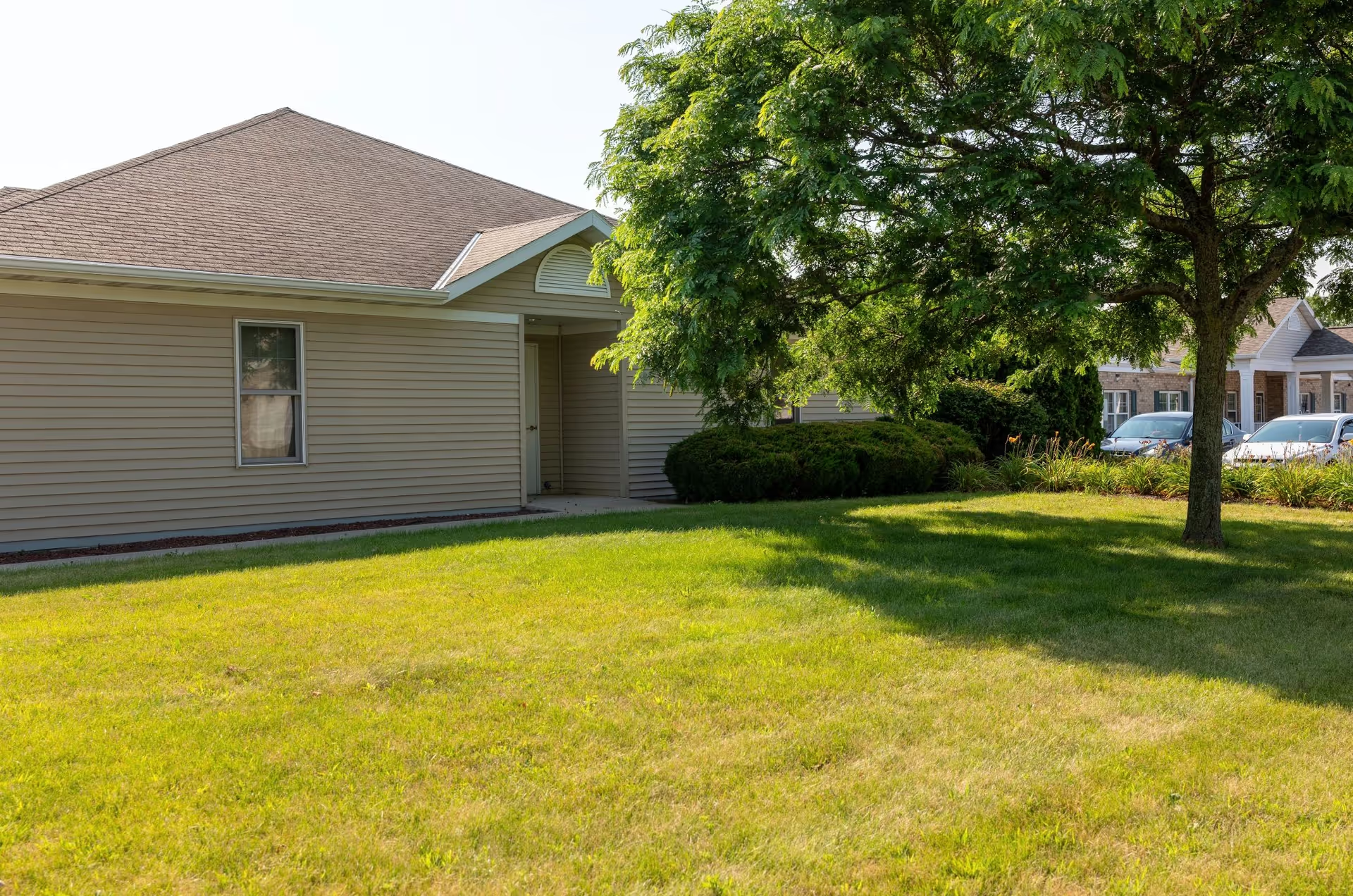
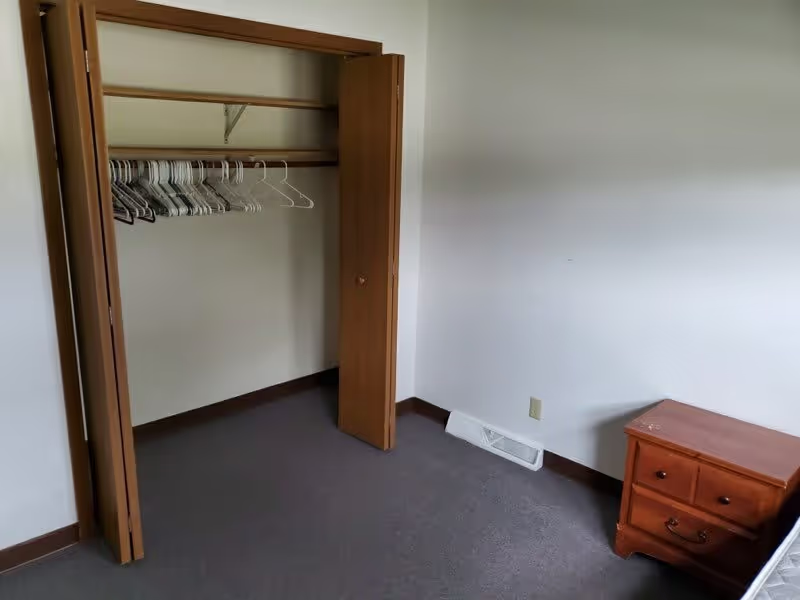
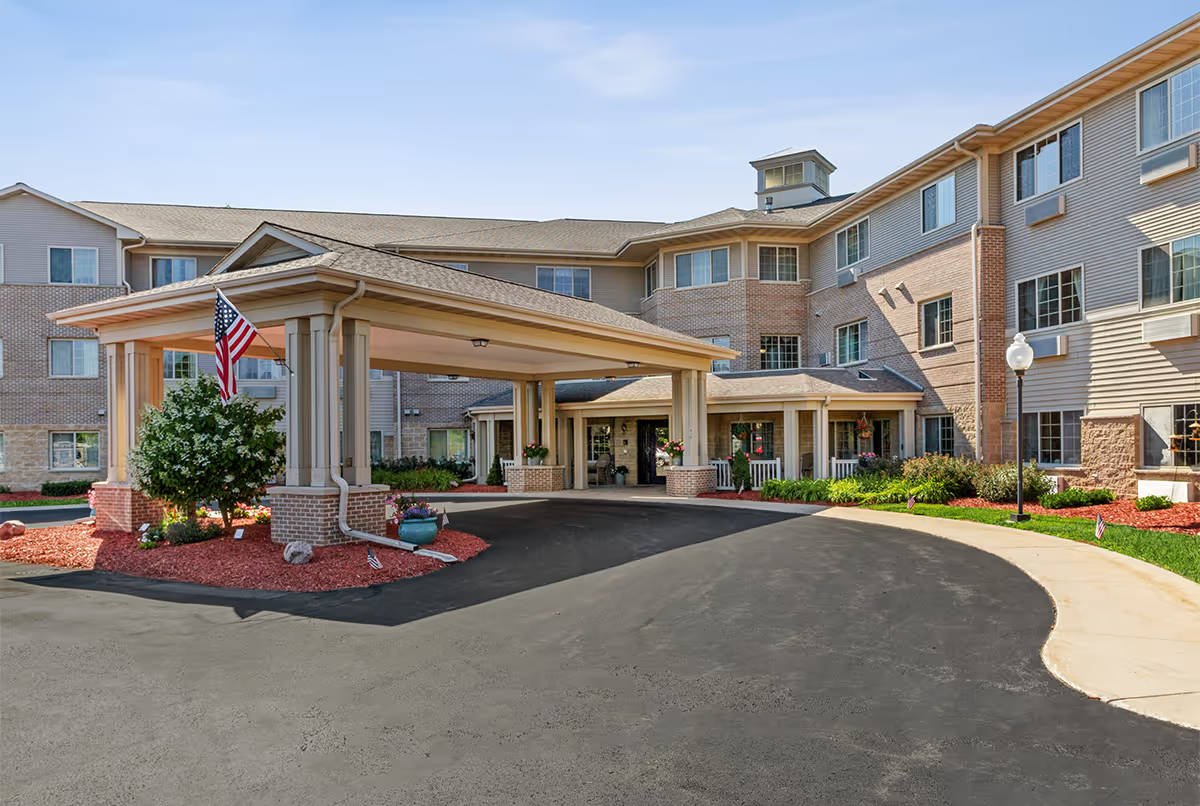
The physical environment elicits mixed reactions: several reviewers noted clean, home-like rooms and conscientious staff efforts to maintain spaces, while others pointed to an older facility with inconsistent groundskeeping, temperature-control issues, and variable sanitation standards. Supply-management issues were raised as well, including instances where basic protective supplies or other items were not immediately available.
Administrative and leadership themes recur in the feedback. Some families perceive a corporate, profit-focused orientation that affects responsiveness and billing practices; others praised local staff for going out of their way to assist. Billing and refund processes were identified as an area of concern by multiple reviewers. Overall, the prevailing pattern is one of wide variability: strong, compassionate care and good programs are present, but operational inconsistencies—particularly around staffing, responsiveness, medication/pain management, therapy delivery, and administrative processes—can materially affect an individual resident’s experience.
For prospective residents and families, it is advisable to verify current staffing ratios, medication-review procedures, pain-management protocols, therapy schedules, response-time expectations for call systems, and the facility’s process for addressing billing questions. Asking for recent unit-specific information about cleanliness, temperature control, and meal options can help set expectations given the variability noted in these reviews.