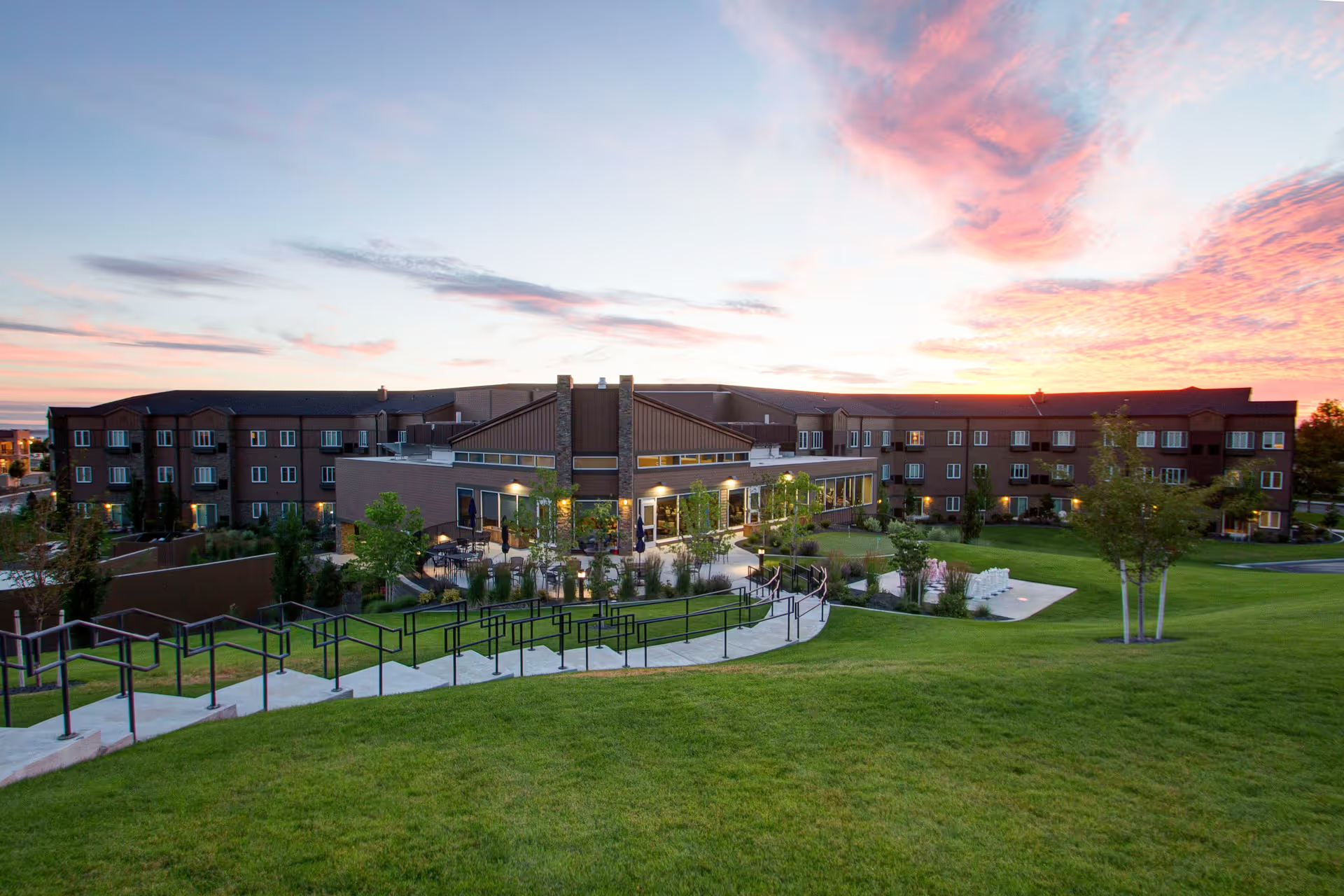
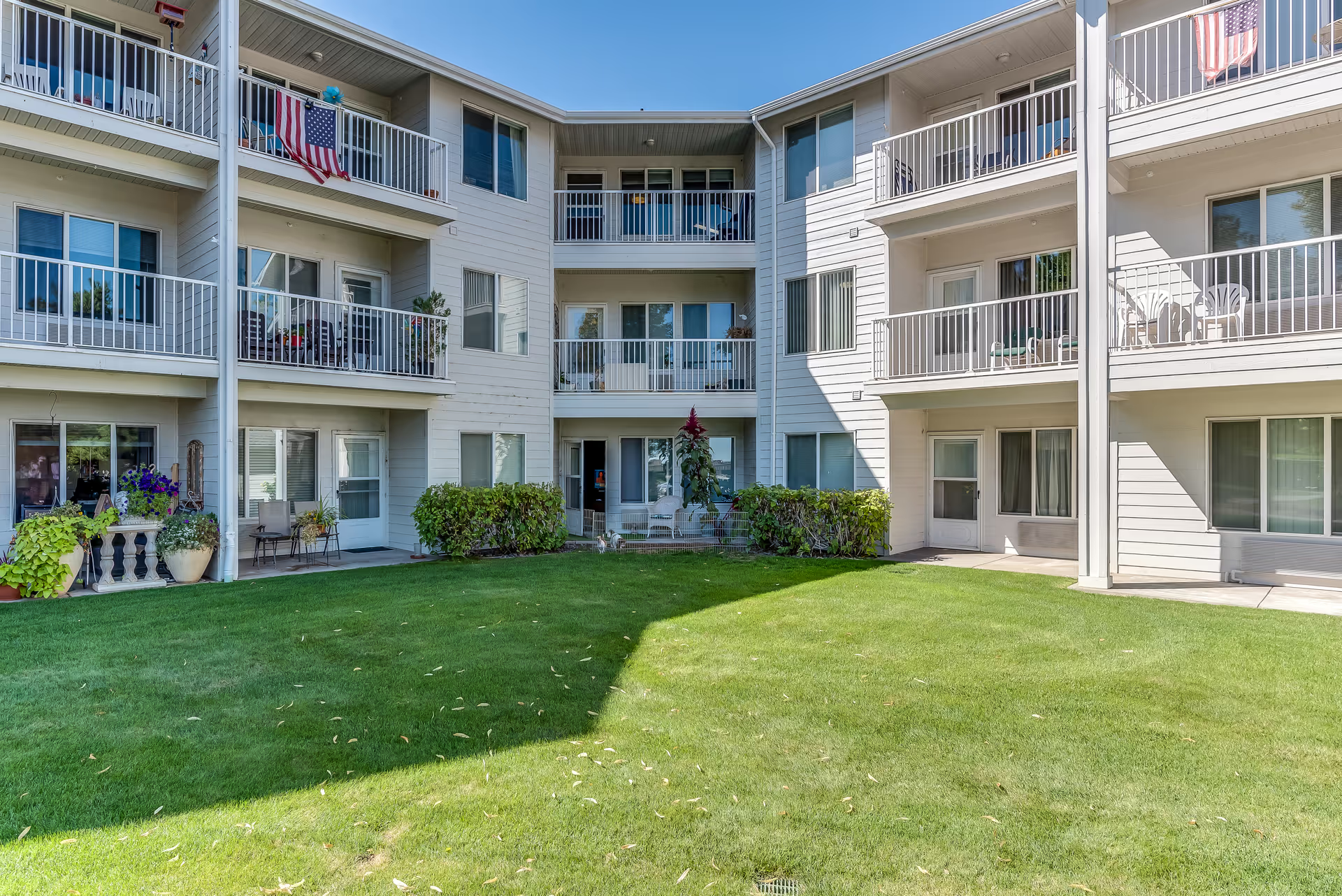
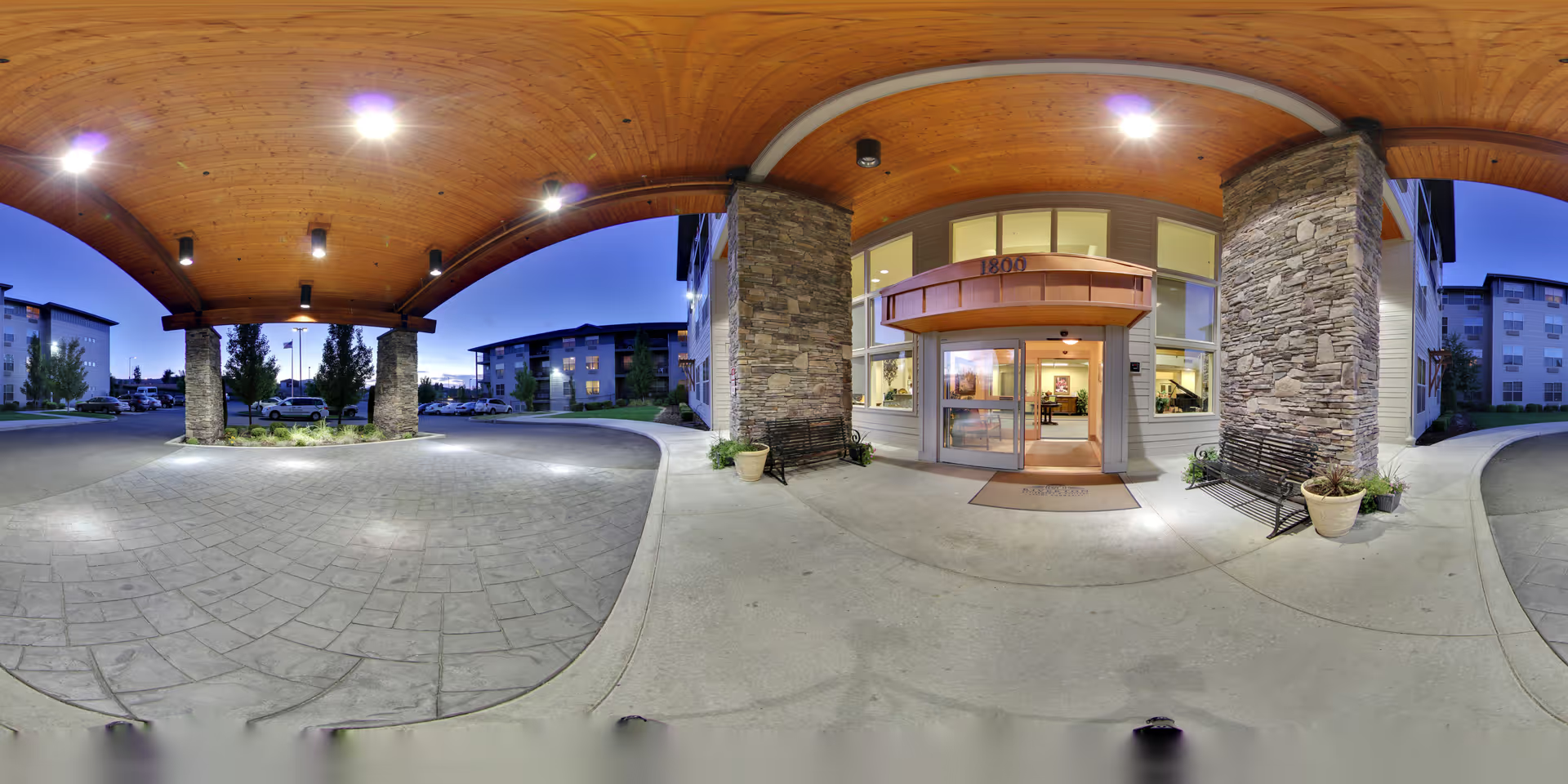
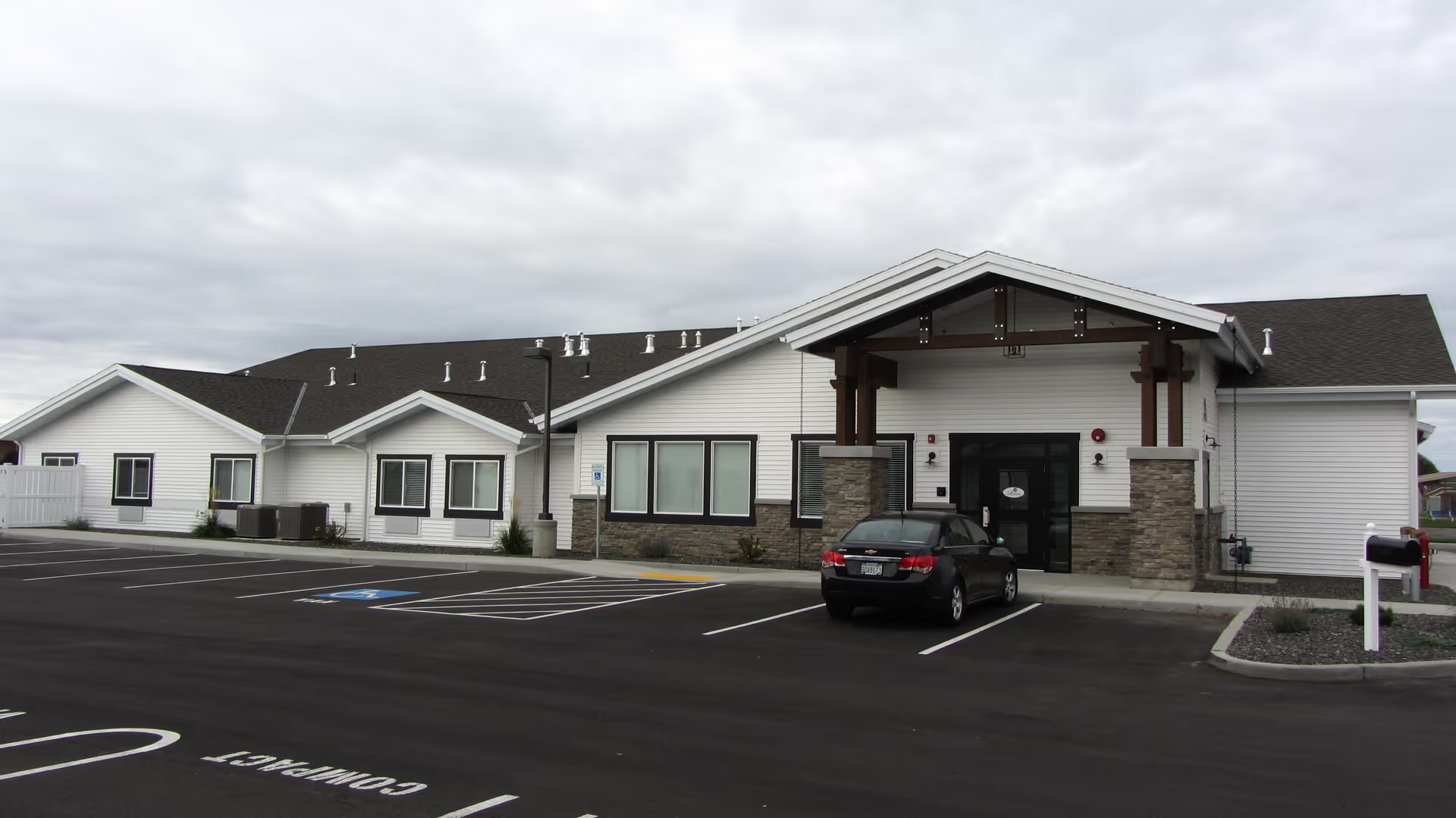
WindSong at Southridge elicits strongly mixed impressions across reviewers. Many families highlight clear strengths: a number of caregivers are described as compassionate, dementia-aware, and capable of creating meaningful connections; the community emphasizes a Montessori-inspired model with varied, creative activities (arts, gardening, cooking, outings) and opportunities for social engagement. The building and common areas are often described as clean, bright, and new, with two outdoor/calming spaces and a small-community feel that supports personalized attention. Several accounts also describe positive outcomes such as maintained or improved mobility and dignified end-of-life care.
Care quality and clinical oversight are the most polarized elements. Positive reports describe dedicated CNAs and cases where RN supervision, favorable staff-to-resident ratios, and attentive caregiving supported residents' comfort and safety. Conversely, many reviews describe operational gaps: high staff turnover, inconsistent staffing levels, and instances where staff were reportedly insufficiently trained for memory-care needs. Reviewers identified gaps in RN oversight and clinical supervision at times, which families associated with delayed responses to toileting needs, sanitation and grooming deficiencies, and fall-related incidents. There are also recurring concerns regarding infection-control practices tied to COVID events.
Staffing and workforce issues form a central pattern. Several reviewers praise individual staff members and point to strong, empathic caregiving; at the same time, persistent turnover, use of outsourced workers with variable memory-care preparation, and reports of inexperienced staff on duty have been linked to inconsistent care. Call-light reliability, availability of proper equipment, and staffing ratios were specifically cited as operational weak points that can affect responsiveness and safety.
Dining and housekeeping show inconsistent performance. Positive comments mention pleasant morning meals and engaged dining staff in some cases, while criticisms include uneven food quality over the day, limited or absent diabetic/dietary accommodations, and at least one food-safety concern cited. Housekeeping and room presentation are similarly mixed: common areas are often well maintained, but reviewers report variability in room decor, housekeeping attention, and personal grooming support.
Activities and facility amenities are among the community's stronger elements. The Montessori-inspired approach and a broad calendar of activities — from bingo and happy hours to church days, outings, and fundraising events — receive frequent praise. The facility's newness, bright communal spaces, and outdoor areas support these programs. However, some reviews note that staff engagement in activities can vary depending on staffing levels and that rooms may feel uniform or sparsely decorated.
Management and communication present clear divergence. Some families commend transparent, family-style communication and proactive managers; others describe inconsistent complaint resolution, perceived indifference from leadership, reports of retaliation or ignored concerns, and disputes around billing or refunds. Marketing and photograph use were questioned by families who felt photographic representations did not match current resident photos or on-site realities.
Notable patterns for prospective families: experiences at WindSong at Southridge range from highly positive to operationally concerning. The key practical takeaways are to verify current staffing ratios and RN coverage, review recent incident and infection-control records, ask about staff training for memory care and use of outsourced staff, review menus and dietary accommodation policies, inspect call-light functionality and safety equipment, and request written complaint-resolution and billing policies. Touring the community in person, meeting direct care staff on duty, and speaking with current families about recent staffing stability will help assess whether the community’s strong activity program and compassionate caregivers are consistently supported by stable, well-supervised clinical operations.