Shawneespring Skilled Nursing Facility presents a mixed profile across clinical care, therapy, and operations. The rehabilitation/therapy side of the house is consistently identified as a strong point: many families and patients praised the physical and occupational therapy teams for measurable functional gains, individualized plans, and effective discharge coordination. Several reviewers credited the therapy program with restoring mobility and independence, and social services staff were frequently noted for helpful discharge planning and insurance navigation.
At the same time, accounts describe substantial inconsistency in day-to-day nursing and direct-care functions. Common operational themes include understaffing or staffing variability that produces long waits for call-light responses, delays in toileting and bathing assistance, and inconsistent timing/documentation of medications. These patterns are connected to downstream clinical risks in some accounts — delayed wound care, missed or late medication doses, and concerns about fall management and post-fall evaluation. A small number of accounts raise serious clinical-incident concerns (including ICU care and a resident death), and families described frustration with how those situations were communicated and managed.
Dining and activities are areas of mixed feedback. Many reviewers found the food palatable and appreciated meal variety, while others experienced meals delivered cold, difficulty obtaining diet-appropriate options for renal or diabetic needs, or interruptions in meal service. The facility offers on-site activities (bingo, crafts, music, chapel) that some families found meaningful, but activity frequency and off-site programming appeared limited for others.
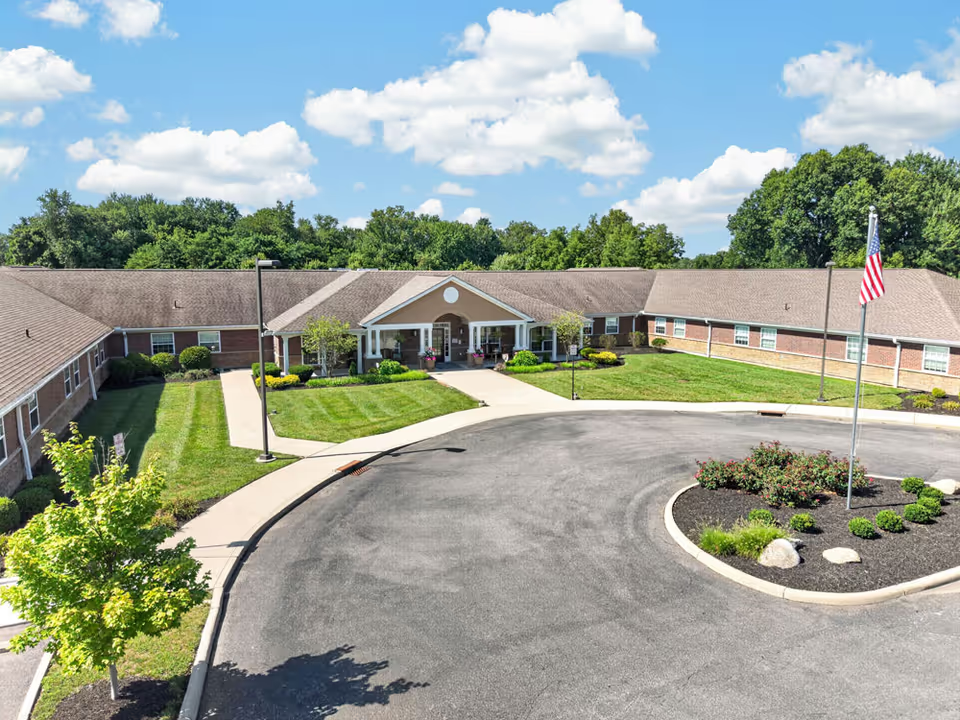
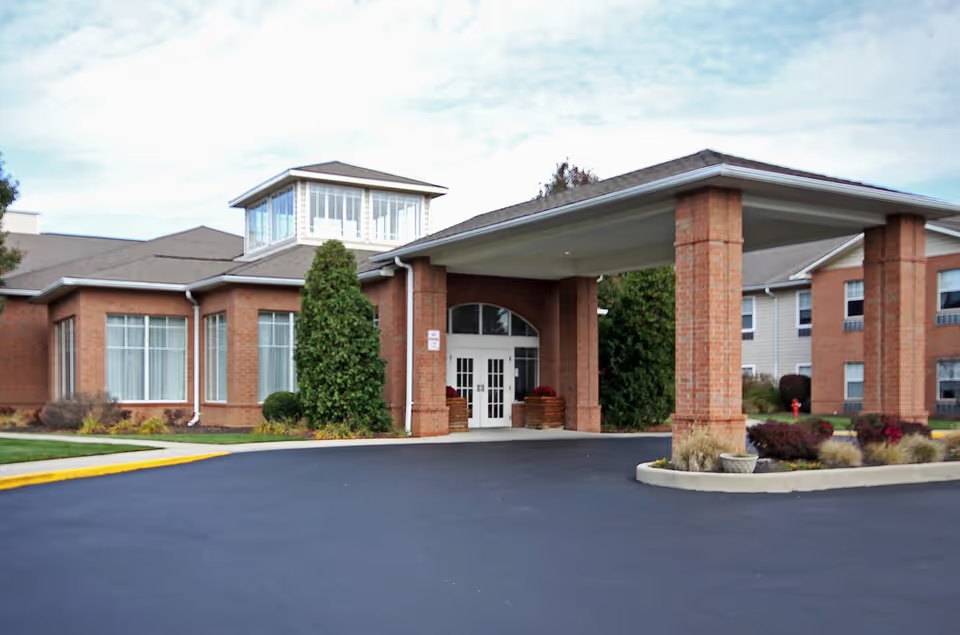
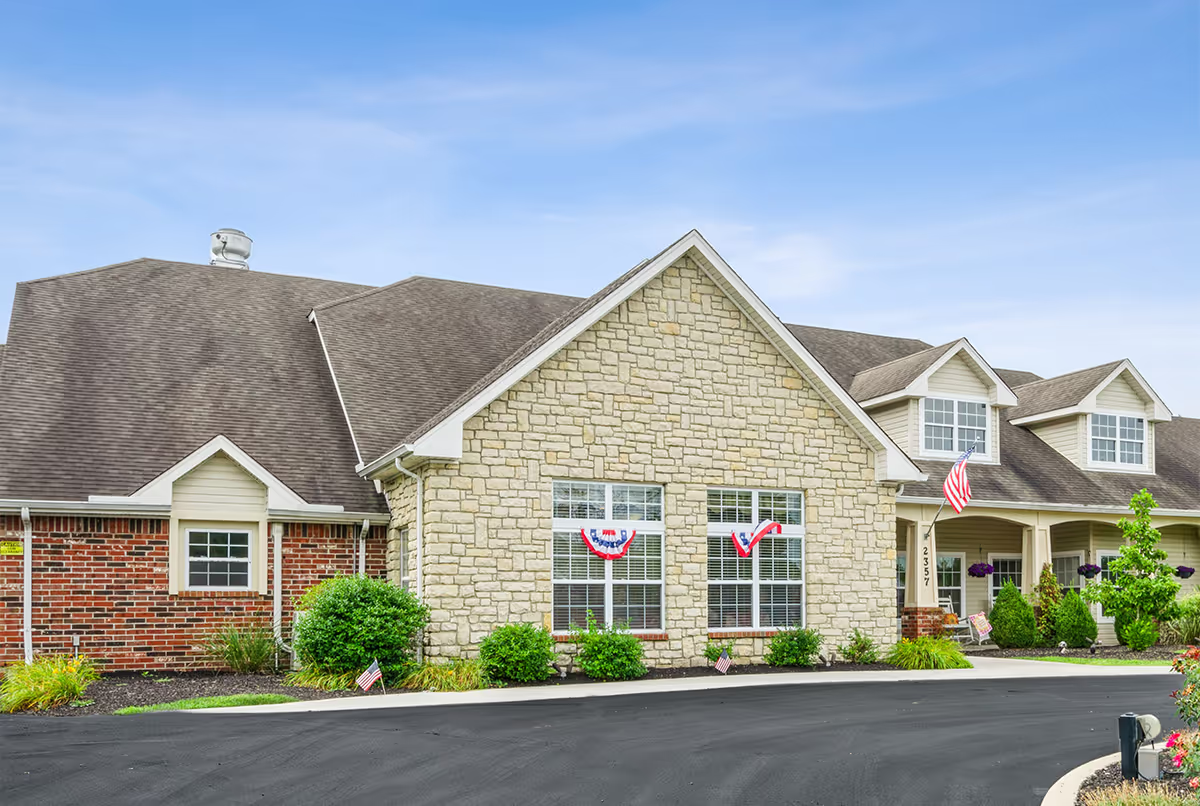
Facility condition and housekeeping receive divergent reports. Numerous comments praise a clean, well-maintained environment, private-room options, and attentive housekeeping staff; conversely, there are complaints of sanitation and maintenance inconsistencies, intermittent odor concerns, inoperable bathroom fixtures, and occasional problems with bed or room furnishings. Transportation logistics and pre-procedure planning (for example, dialysis pickups or pre-dialysis meals) were also cited as unreliable in some cases.
Management and communication show variability. Several families acknowledged helpful admissions staff and administrators who responded to feedback, while other experiences describe poor coordination during moves or discharges, surprise charges for records, uneven phone responsiveness, and variable staff conduct at the unit or front desk level. Notably, many reviewers emphasize a consistent pattern: therapy and certain frontline staff (therapists, some nurses and aides, and social services) receive strong praise, whereas core nursing, hygiene, and safety-related operations are described as uneven. Prospective residents and families should weigh the facility's strong rehabilitative offerings and some highly capable staff against documented operational inconsistencies in nursing coverage, responsiveness, medication and hygiene practices, and communication. Where possible, verify staffing levels, fall-prevention protocols, medication administration procedures, dietary accommodations, and discharge/transportation planning before admission.