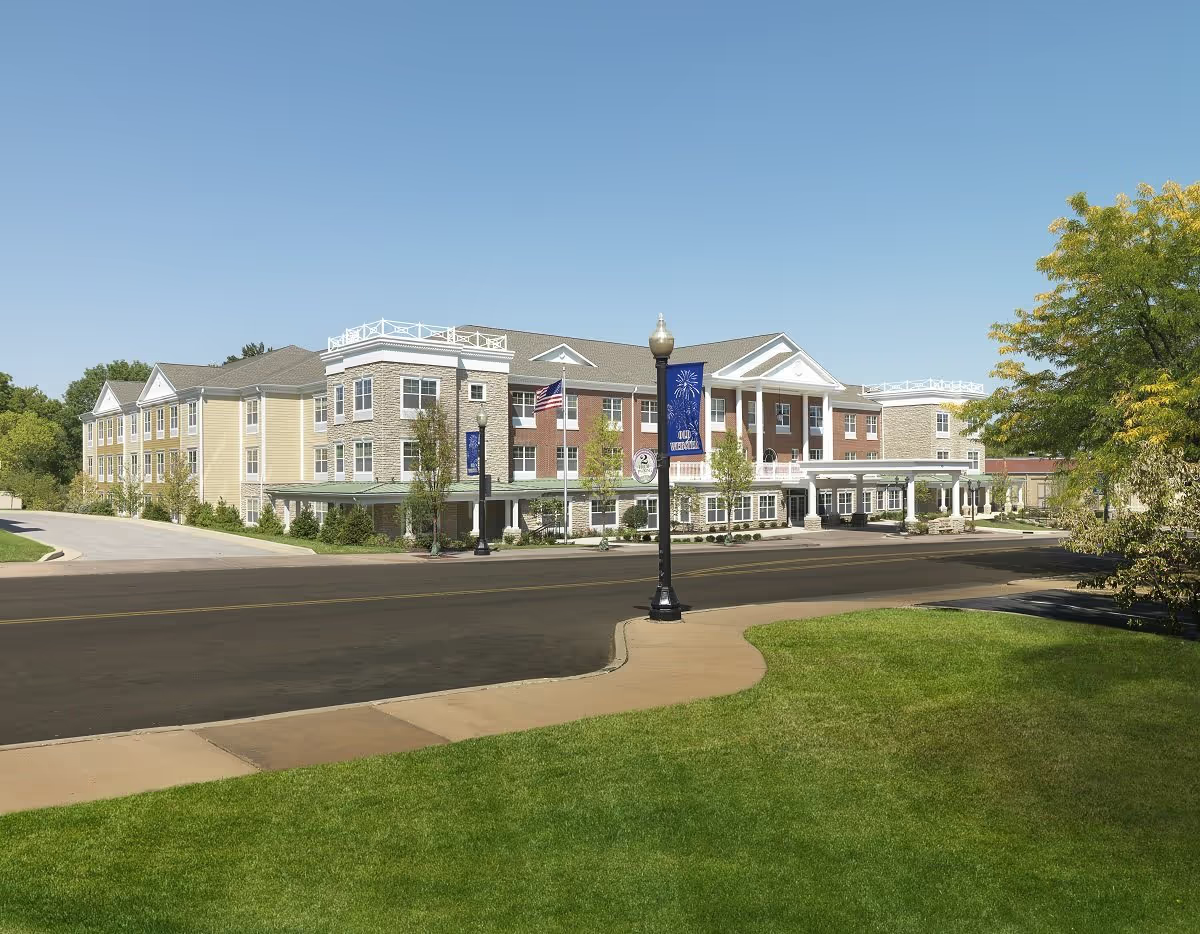
Clarendale Clayton presents as a newly built, upscale senior living community with extensive amenities and a strong hospitality orientation. Reviewers consistently praise the physical plant—modern, bright apartments with in-unit laundry and balconies, hotel-style public areas (lounges, rooftop terrace, movie theater), and an active social calendar. The community’s move-in coordination, concierge services, and friendly resident culture are frequently cited as strengths, as are several named staff members who draw particular appreciation for personal attention and warmth. On the amenity side, the facility offers multiple dining venues, fitness and wellness spaces, salon services, and short-term rehab/therapy options that appeal to prospective independent and assisted-living residents.
Staff-level interactions are a clear comparative strength in many accounts: attentive dining staff, welcoming front-desk teams, and caregivers who form strong personal relationships with residents are common themes. Families noted helpful pre-move guidance and practical support during onboarding. Activity programming appears robust and resident-driven, with diverse offerings, community partnerships (educational lectures, Oasis), and frequent social events that contribute to a lively atmosphere.
Conversely, a recurring cluster of operational concerns appears across reviews and warrants attention. Clinical oversight and continuity of care are inconsistent in some units, with several accounts raising concerns about medication administration, follow-up after hospital stays, and delayed response times to call lights. Memory-care operations are the area most often associated with safety and supervision gaps; reviewers referenced falls, emergency transfers, and staffing adequacy in memory-support areas. Staffing shortages and turnover were described as persistent, and families linked those staffing patterns to care delays and uneven service.
Dining receives mixed evaluations: some reviewers praise chef-led menus and high-quality meals and events, while others point to variable food quality, slow service, kitchen understaffing, and periodic sanitation or pest-control concerns. The pricing model also draws criticism for being high and for including numerous ancillary fees (parking, storage, upgrades, grab-bar installations) that can make total cost less transparent. Transportation is available but limited in capacity and destination flexibility, which some reviewers found restrictive for medical or social needs.
Management and leadership are another polarizing theme. Positive comments highlight proactive leadership, hands-on directors, and responsive communication during specific events (power outage preparedness, rehab coordination). Negative accounts emphasize leadership turnover, slow or insufficient responses to family concerns, and an operational emphasis on sales and amenities that some families felt competed with clinical priorities. Housekeeping and some aspects of routine maintenance were described as inconsistent in a minority of accounts, and apartment bathroom design (shower lips, limited storage, grab-bar installation fees, no linen cabinets in some floorplans) was noted as less elder-friendly.
Overall, Clarendale Clayton offers high-end accommodations, strong social programming, and many staff members who are praised for compassion and hospitality. Prospective residents and families should weigh those strengths against the reported variability in clinical care, dining consistency, staffing stability, and management responsiveness—particularly if a future need for intensive assisted living or memory-support services is likely. An in-person tour, conversations with clinical leadership about staffing ratios and protocols, and a clear review of the fee schedule and emergency/transfer procedures are recommended steps for families considering this community.