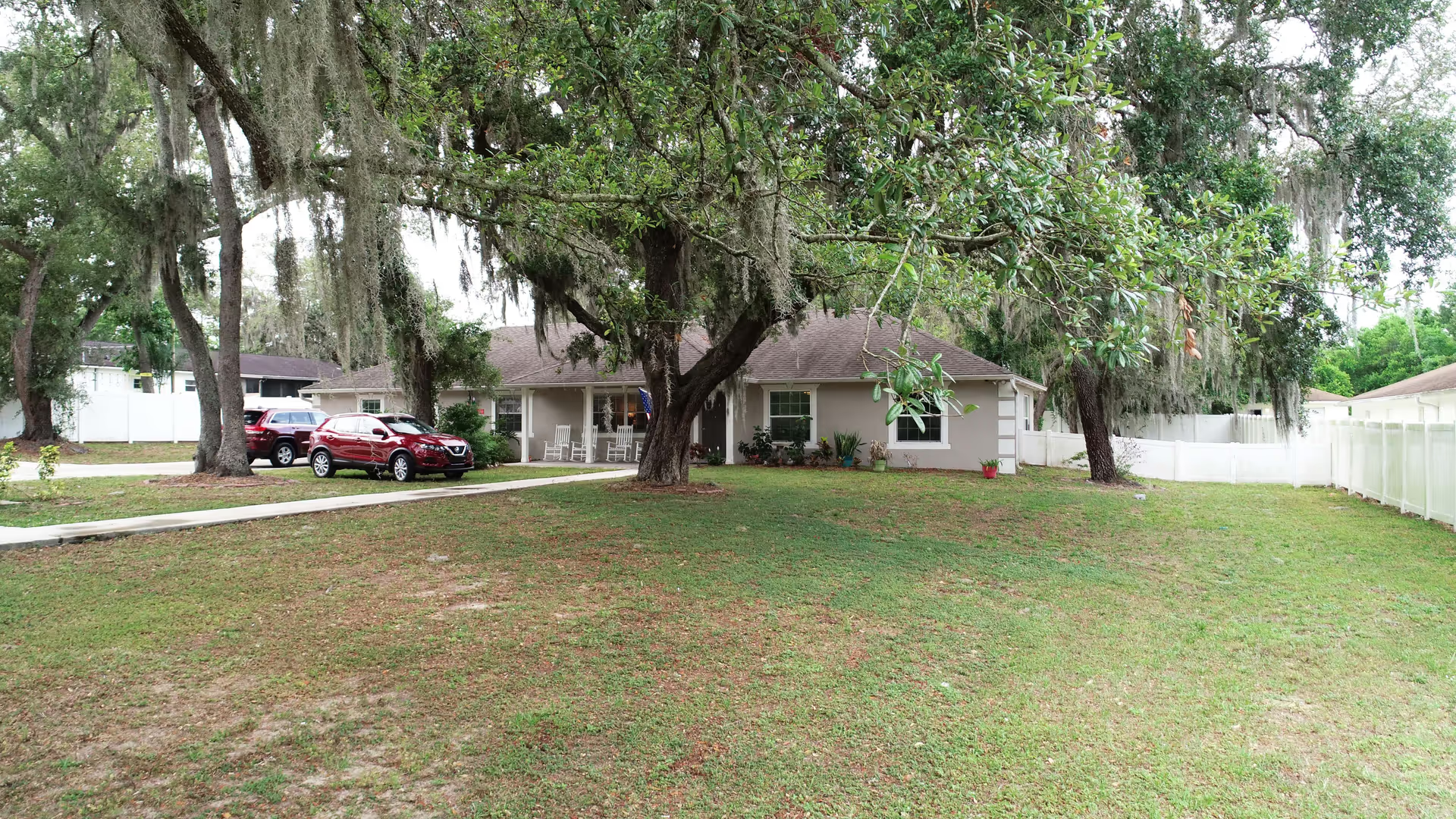
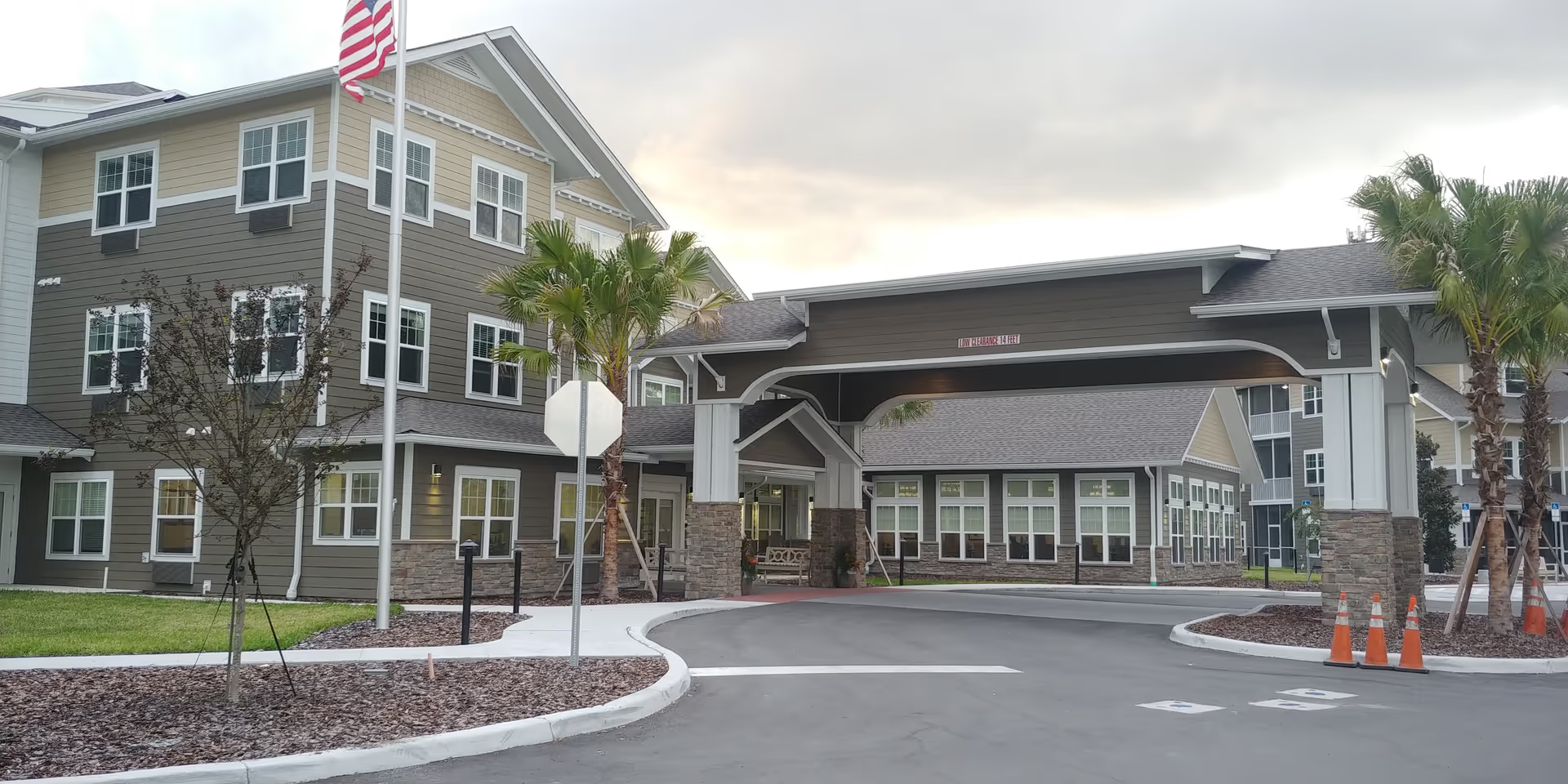
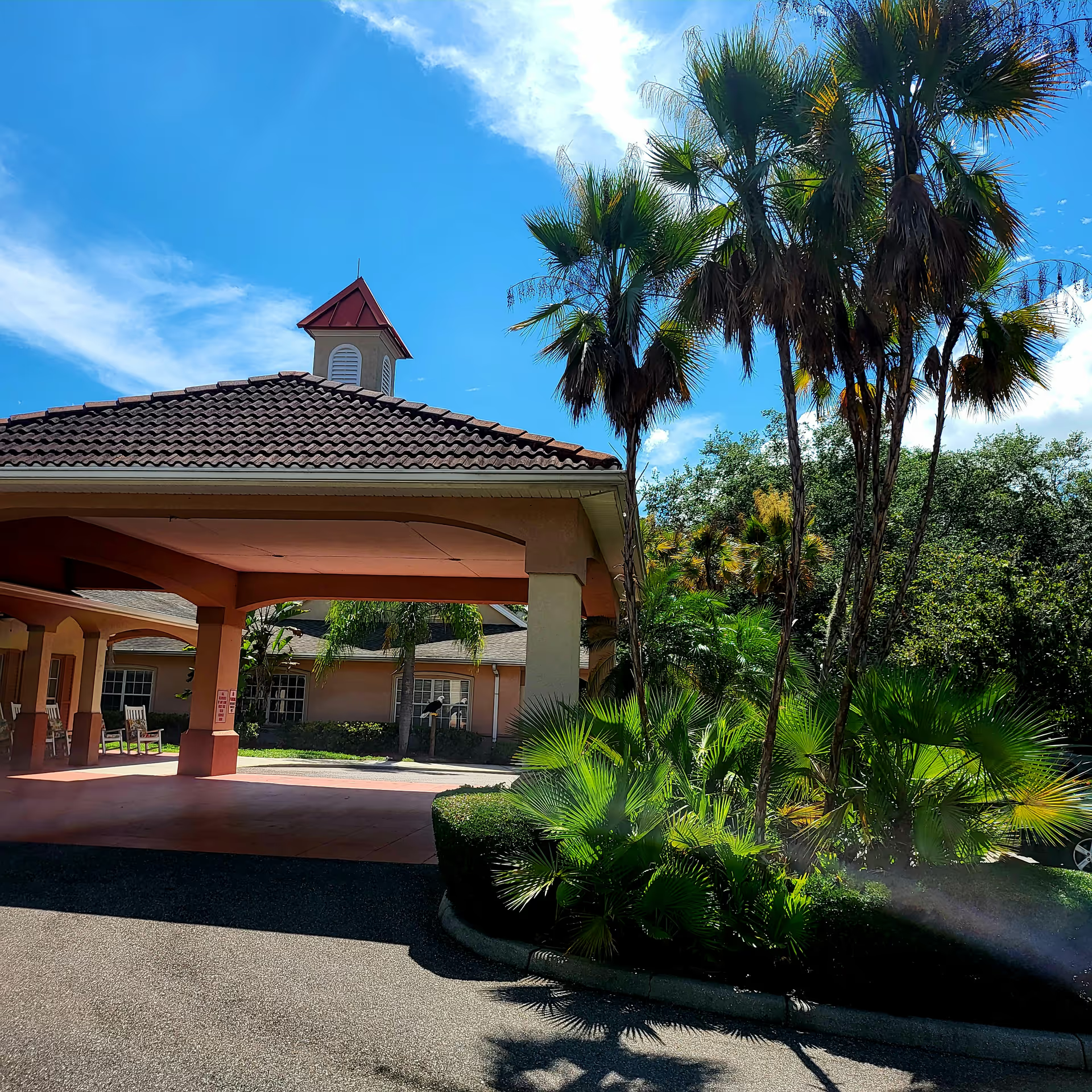
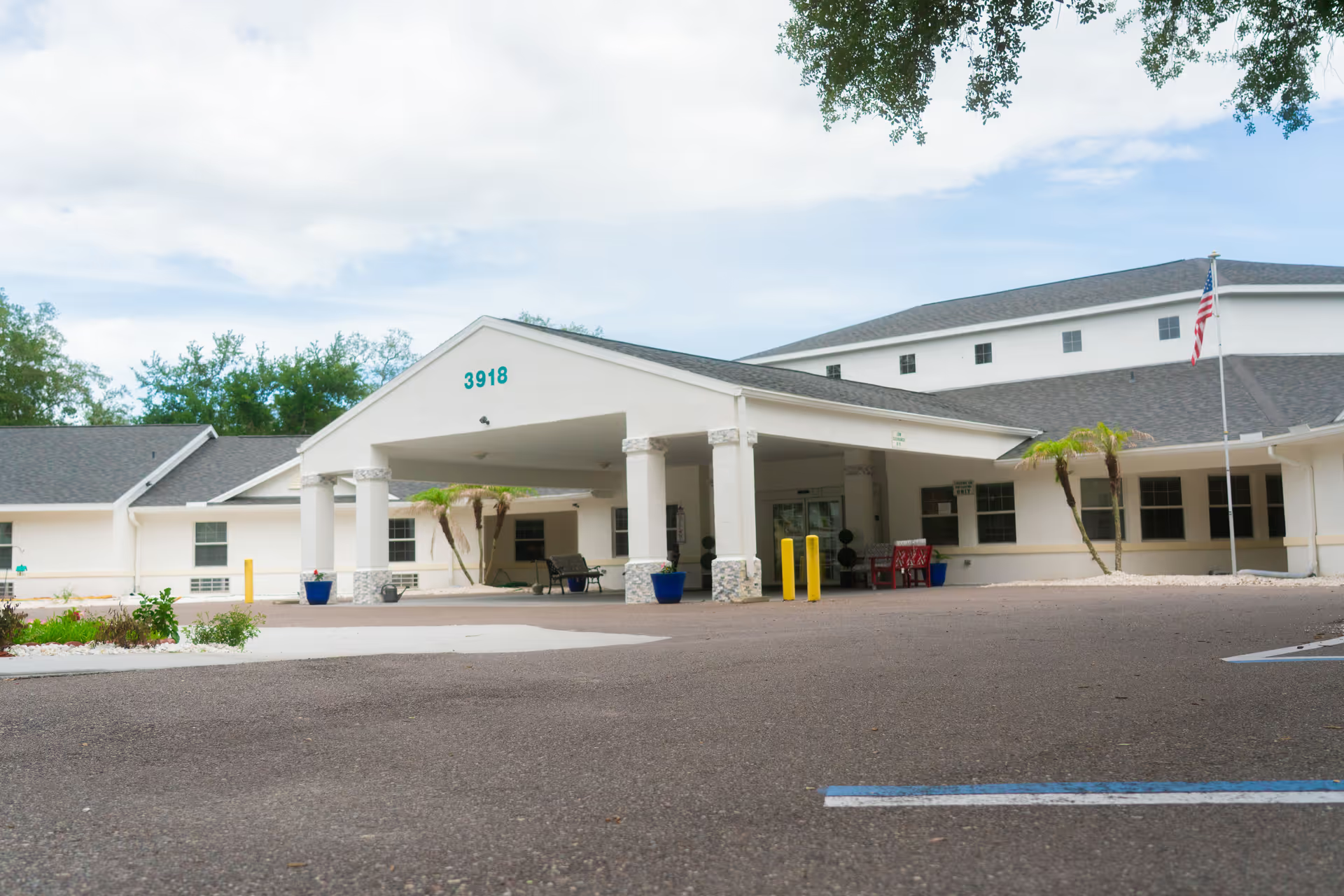
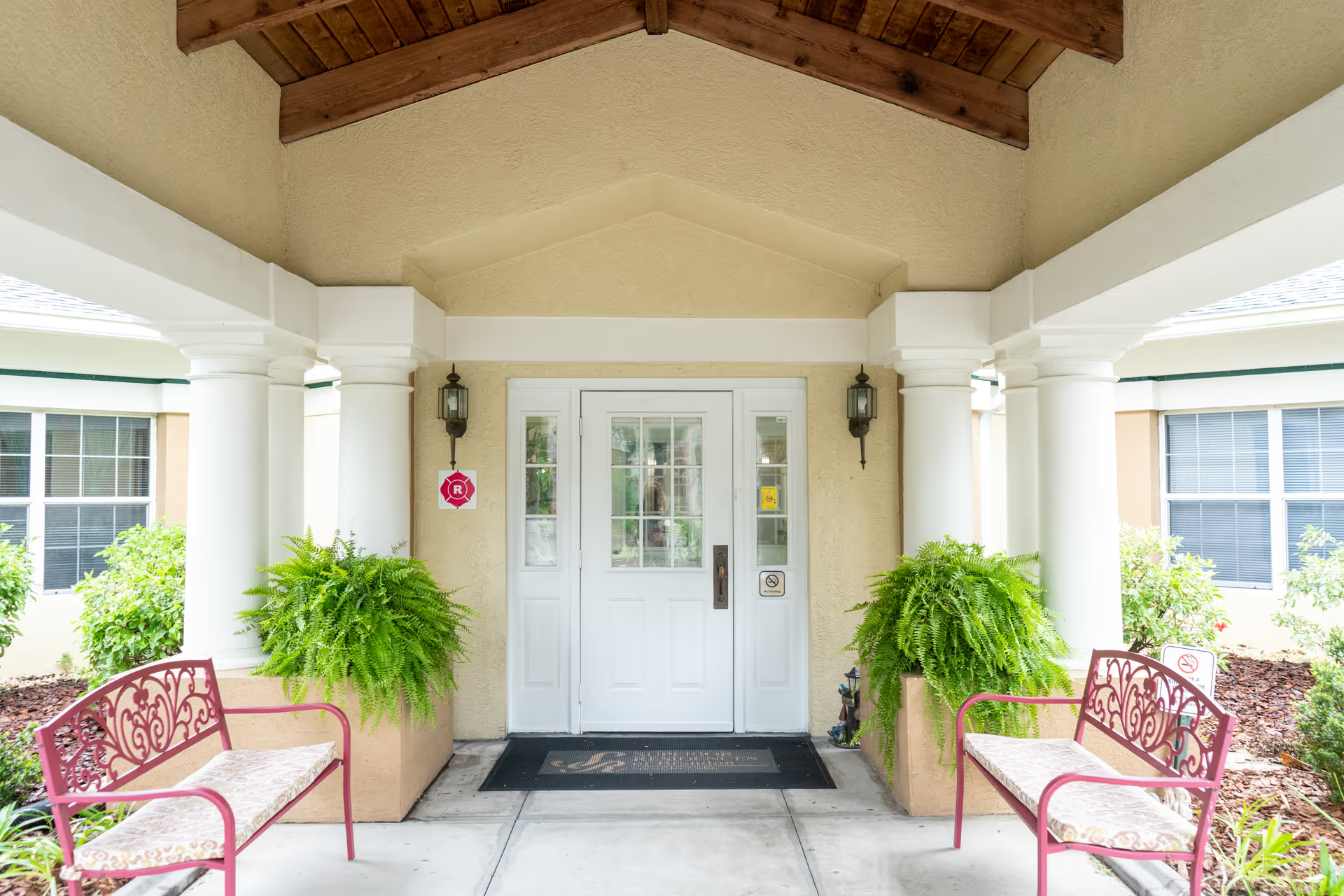
Brisas del Caribe ALF is described overwhelmingly as a small, family-oriented assisted living with a strong cultural and linguistic alignment for Spanish-speaking residents. Reviewers consistently highlight a home-like atmosphere, daily routines that promote dignity, and a cheerful social environment. The facility's cleanliness, bright and modern interior, comfortable furnishings, and frequently praised owners-on-site contribute to a sense of safety and reassurance for many families.
Care quality and clinical services receive mixed but generally positive descriptors. Many families praised individualized, compassionate caregiving and coordinated hospice or end-of-life support that preserved resident dignity. Staff are repeatedly described as attentive, loving, and professional, with specific mentions of emergency-response training and prompt reactions to urgent situations. At the same time, there are recurrent concerns about variability in clinical-care consistency and medication management; these indicate that clinical oversight can be uneven across cases and that families should ask specific questions about medication review processes and clinical protocols during intake.
Dining, activities, and daily life are notable strengths. Multiple reviewers emphasize fresh, home-cooked meals with Latino flavors, frequent meal service, and a varied menu. The home-cooked cuisine is tied to resident satisfaction and perceived quality of life. The facility also offers engaging daily activities and DayCare services that contribute to resident engagement and a family-like communal experience.
Facilities and management are frequently praised. The site is described as immaculate, bright, and well-organized, with owners and administration characterized as hands-on, communicative, and solution-oriented. Bilingual staff and culturally sensitive practices are repeatedly noted as important assets for Spanish-dominant families, and the central location facilitates visits.
Notable patterns to weigh: while many families express high confidence in the staff and management, several reviews raise operational concerns that are worth investigating before placement. These concerns cluster around medication-management practices, inconsistent assistance with mobility and activities of daily living, limited specialized capability for advanced dementia care, and a small number of serious allegations related to handling of personal property and insurance processing. There are also isolated comments suggesting variability in clinical oversight during complex post-acute or end-of-life situations. These items appear to reflect variability in operational performance rather than the facility’s day-to-day strengths.
Recommendation: prospective residents and families should consider visiting during mealtime and activity periods, ask about dementia-care capabilities and staffing ratios, request written medication-management and emergency-response protocols, and clarify policies for personal property and insurance handling. Doing so will help confirm whether the facility’s many positive attributes align with an individual’s clinical needs and expectations.