Overall, Rockland Place receives substantial praise for its welcoming atmosphere, caring staff, and attractive, clean environment. Families and visitors often describe staff as attentive and approachable, and several value the personal attention residents receive. Move-in coordination and support for families navigating care decisions are also recurring strengths. At the same time, experiences are not uniform: some accounts raise concerns about staffing coverage, caregiver experience, and timely clinical attention. Families considering the community may want to discuss staffing arrangements, clinical escalation procedures, and whether its care capabilities match current and anticipated needs. Some reviewers found it better suited to residents who need assisted living rather than a higher level of medical support.
Dining feedback is mixed. Some residents and families praise the meals, menu variety, presentation, and attention to dietary needs; others describe food as bland or average, and cite limited menu availability or slow service. Activity offerings are frequently described as extensive, including music, exercise, crafts, games, classes, and outings. Families also value staff efforts to encourage participation. However, some residents—particularly during respite stays or transitions—were less engaged, and one visitor found the shared dining space potentially overwhelming. The community’s active programming may suit residents who enjoy group activities better than those who prefer a quieter routine.
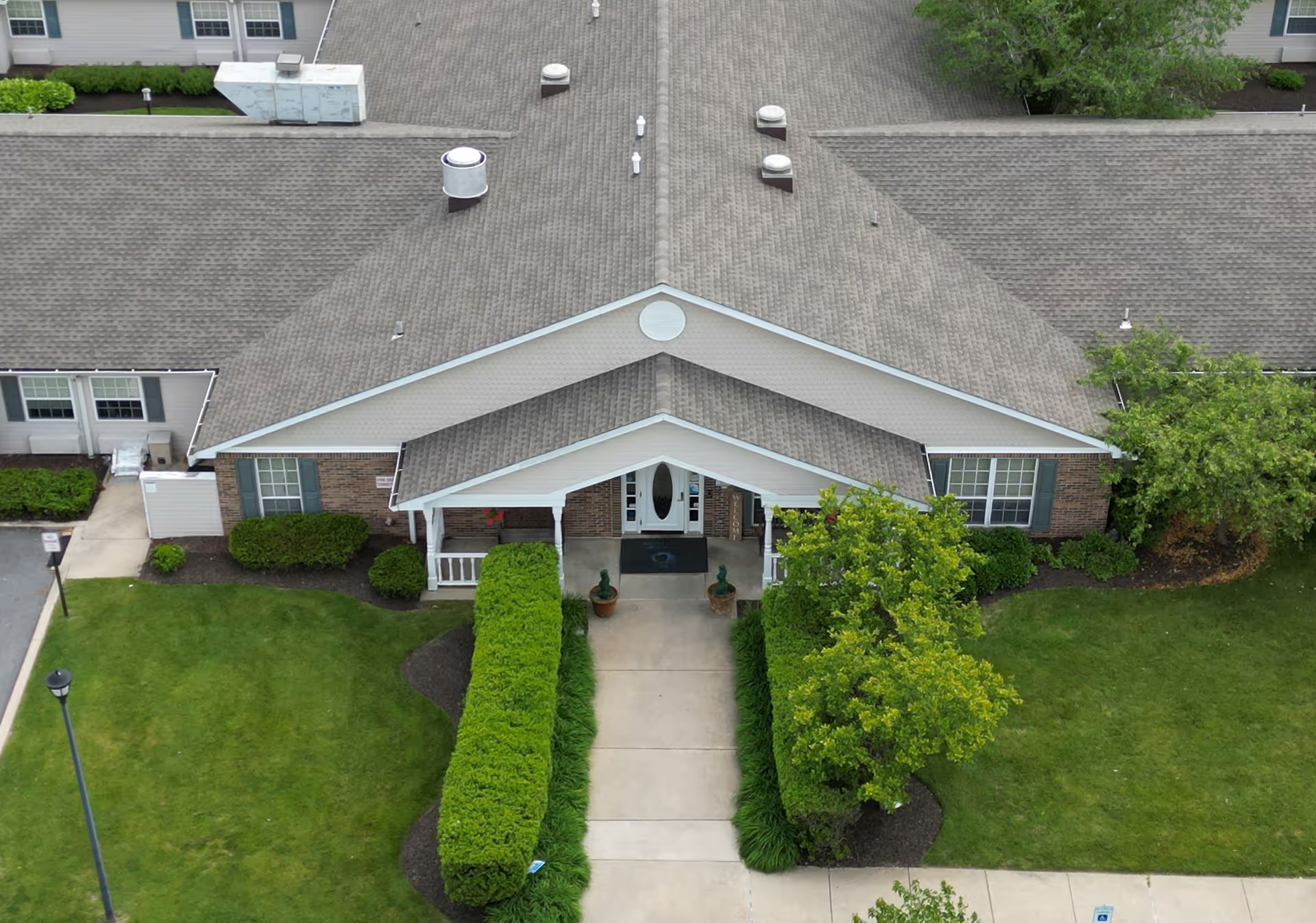
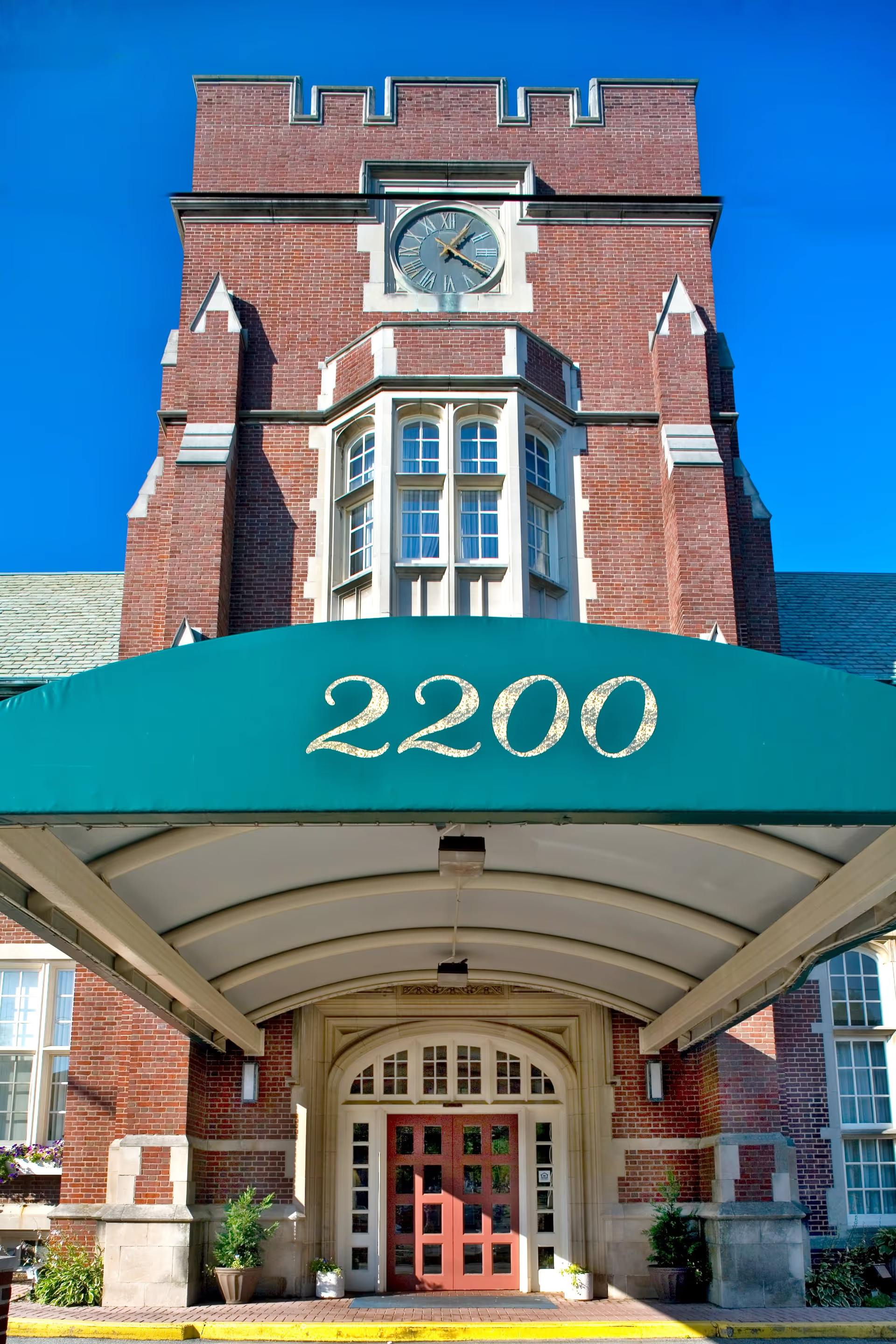
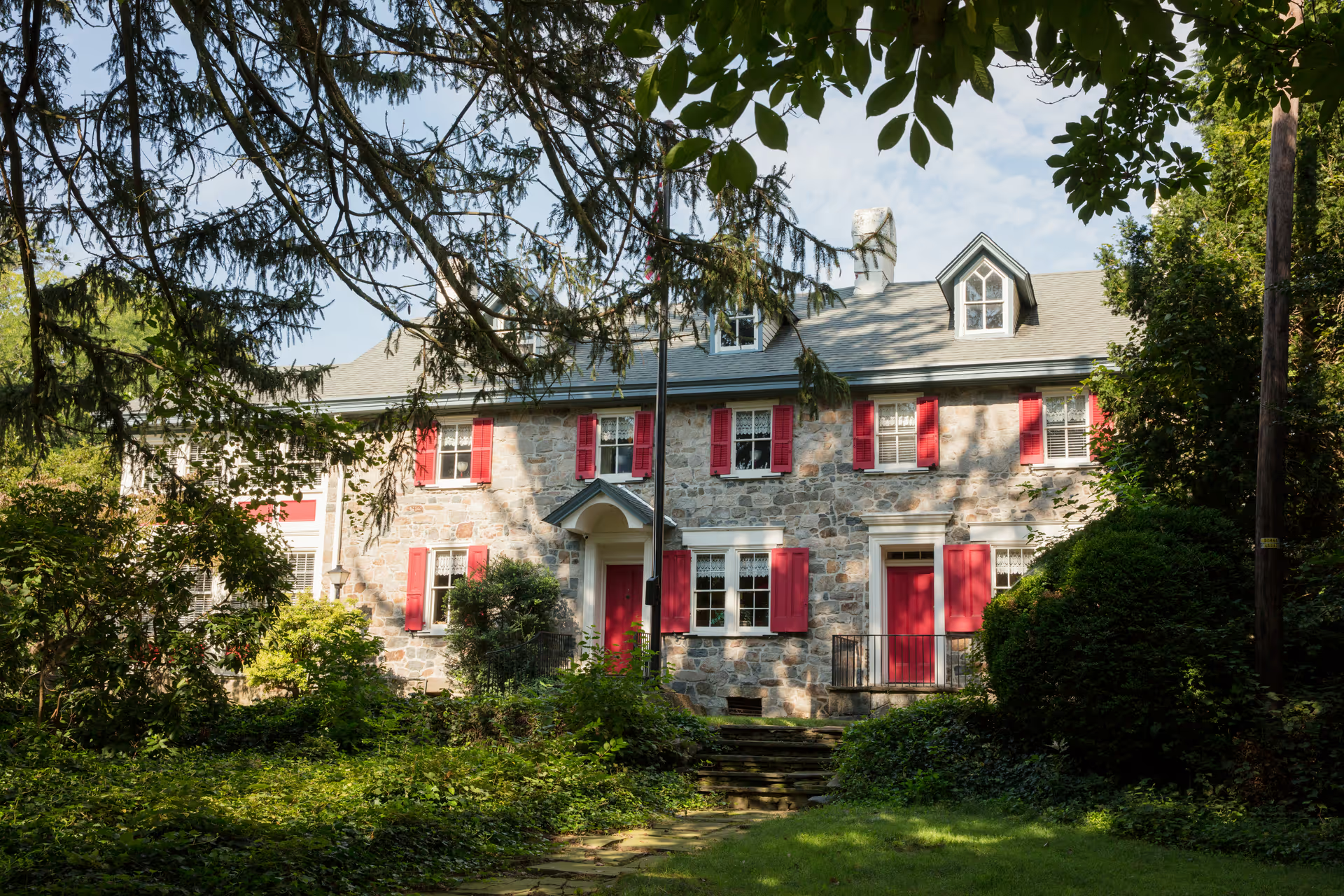
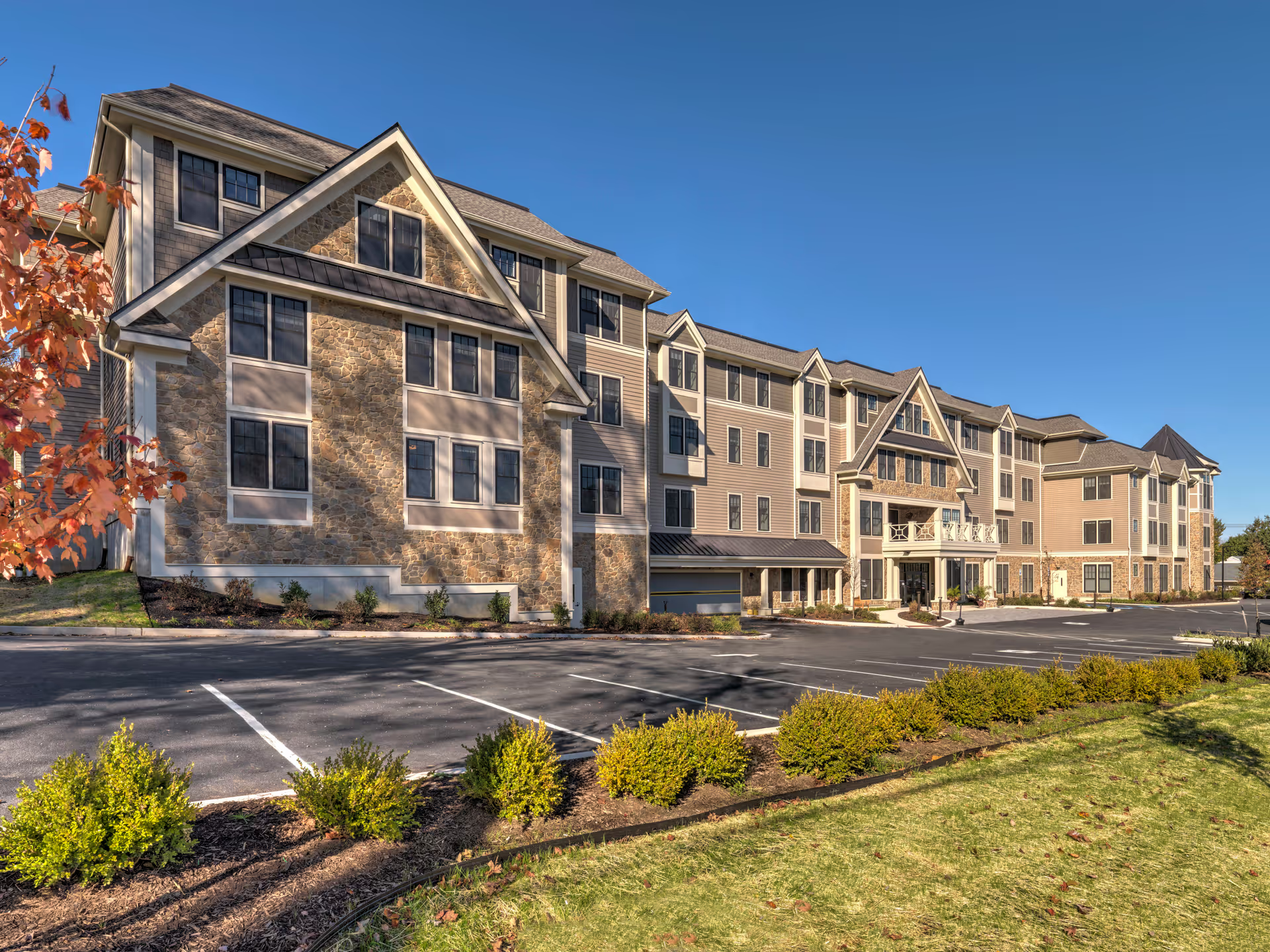
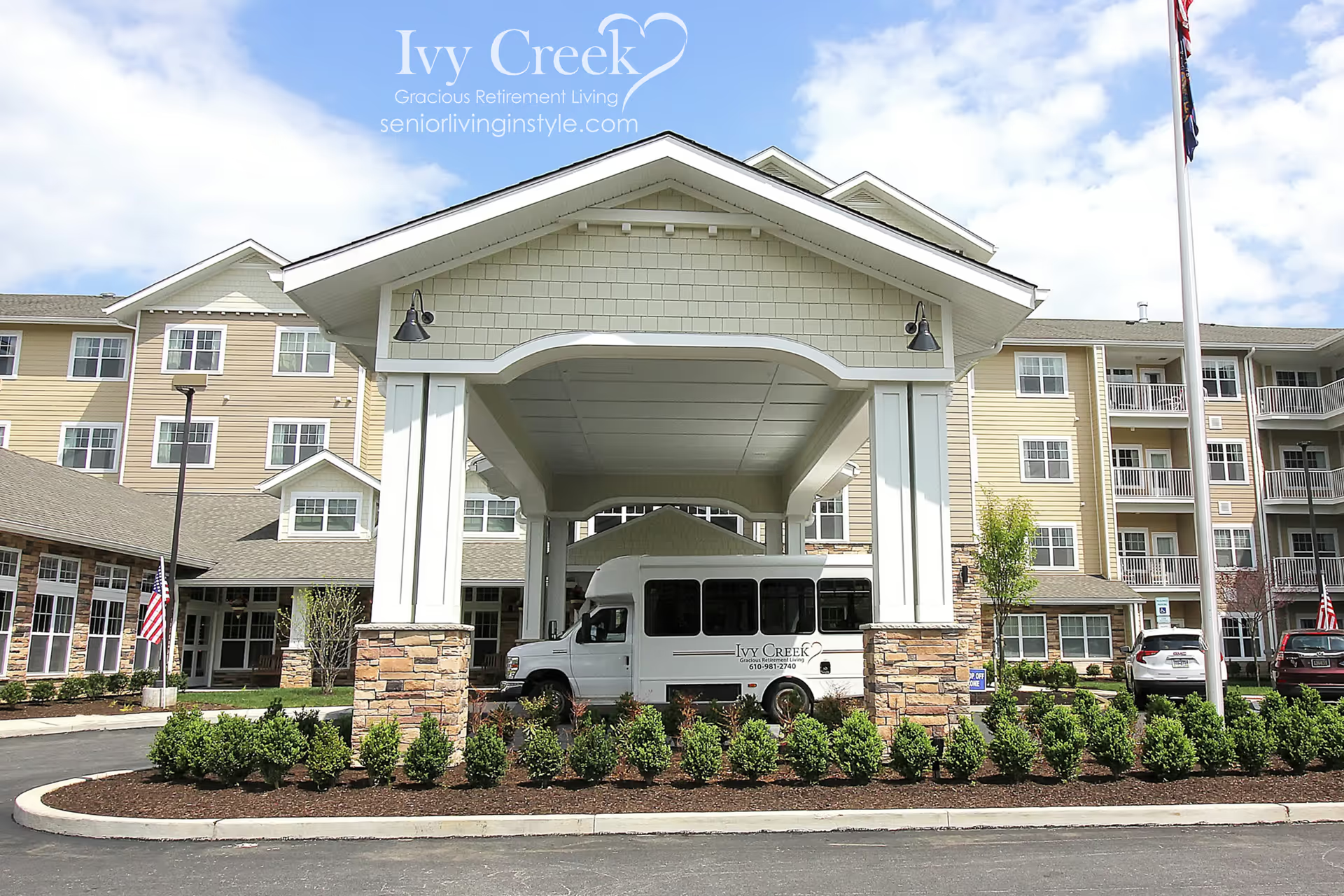
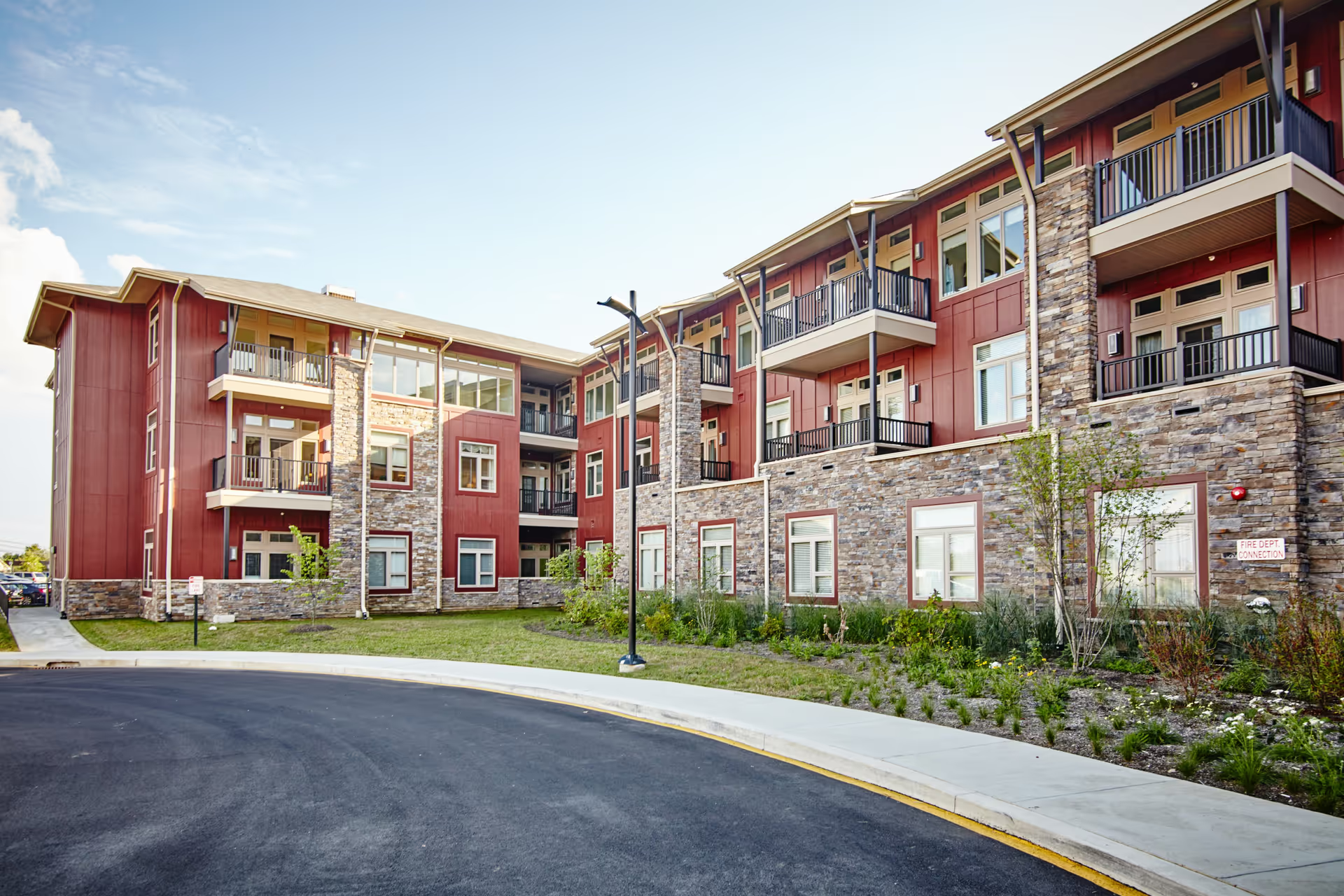
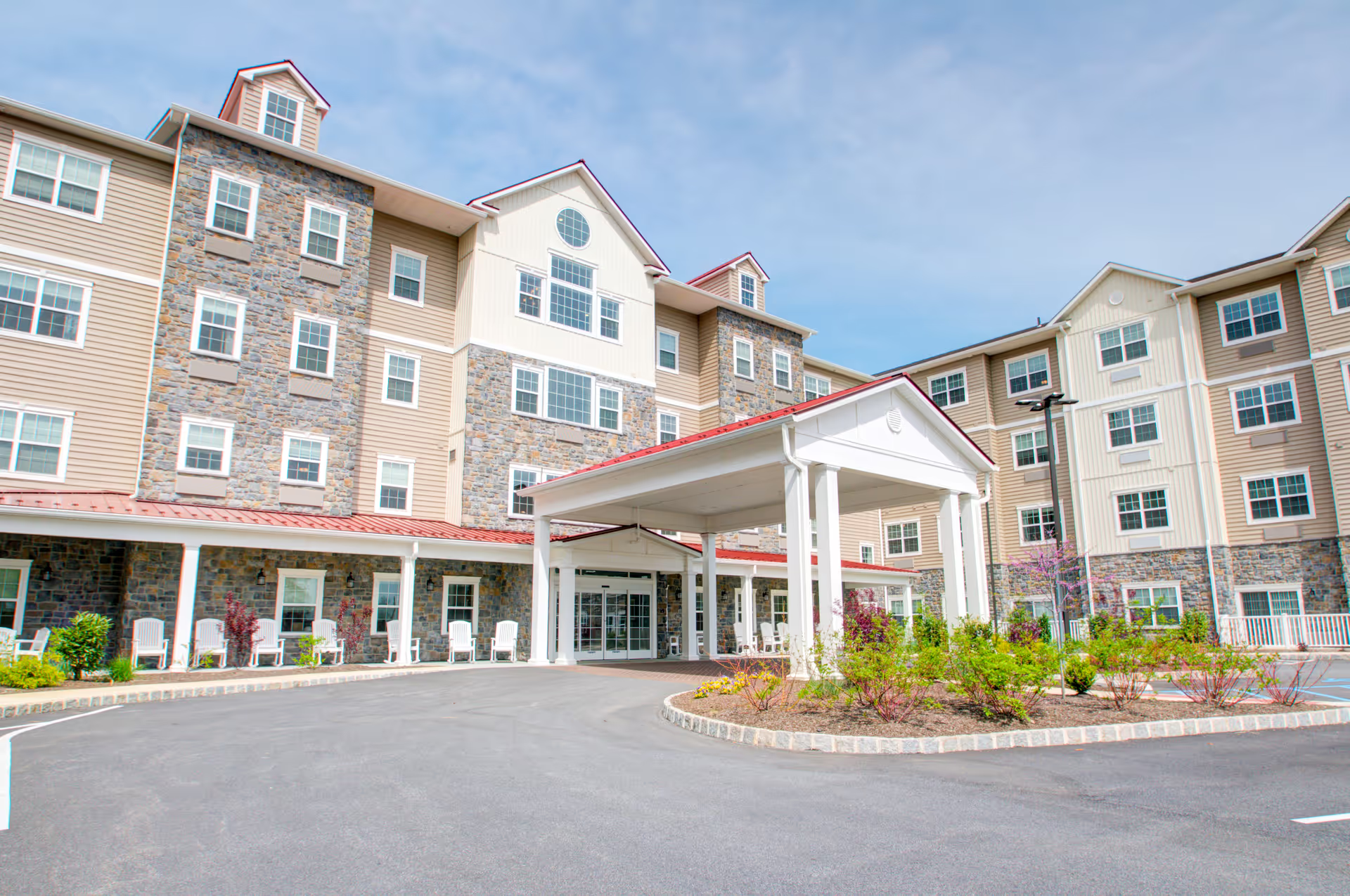
The facility is often described as attractive, well maintained, and comfortable, with varied apartment layouts and a homelike feel. Multiple levels of memory care are an important feature for families planning for changing dementia-related needs. Therapy services are also mentioned positively. A visitor raised concerns about cleanliness in the memory-care area, while many other accounts describe the community as clean; families may wish to view relevant areas during a tour. Reviewers also differ on cost: some consider the value reasonable, while others find pricing high, and one account notes private-pay limitations. Accessibility changes may involve additional charges.
Communication and management support are praised in many accounts, including reports of prompt updates, accessible staff, and effective transition planning. Other families describe communication gaps, particularly involving medical staff, or would like clearer updates about activity participation. A small number of accounts also raise concerns about staff coverage and responsiveness, including an end-of-life preference that a family felt was not addressed. Given the range of experiences, prospective residents and families may benefit from asking specific questions about staffing, clinical coverage, meal service, communication practices, fees, and the process for adapting care as needs change.