Across these reviews, Middlewoods of Farmington is characterized as a small, welcoming community where residents can receive assistance while retaining privacy and independence. Families commonly describe staff as kind, attentive, and responsive, including nursing staff who communicate health concerns and help coordinate changing needs. Reviewers also describe check-ins around meals and practical support with settling in. One family recounted that staff helped arrange a larger apartment to accommodate a live-in caregiver, though a prospective resident with advanced dementia was considered outside the community’s care scope. Families considering the community should confirm that its current services match the resident’s clinical and supervision needs.
Dining is a prominent strength: reviewers frequently praise the food’s quality and variety, the dining-room staff, and the social experience of eating with other residents. Some accounts also mention meals being delivered when a resident chooses to eat in their apartment. One reviewer felt portions were small, so prospective residents may wish to ask about serving sizes and meal options. Activities are described as plentiful and varied, including exercise, arts and crafts, games, entertainment, outings, and social events. Residents appear able to participate at their own pace, and families often associate the community’s social opportunities with improved engagement and well-being.
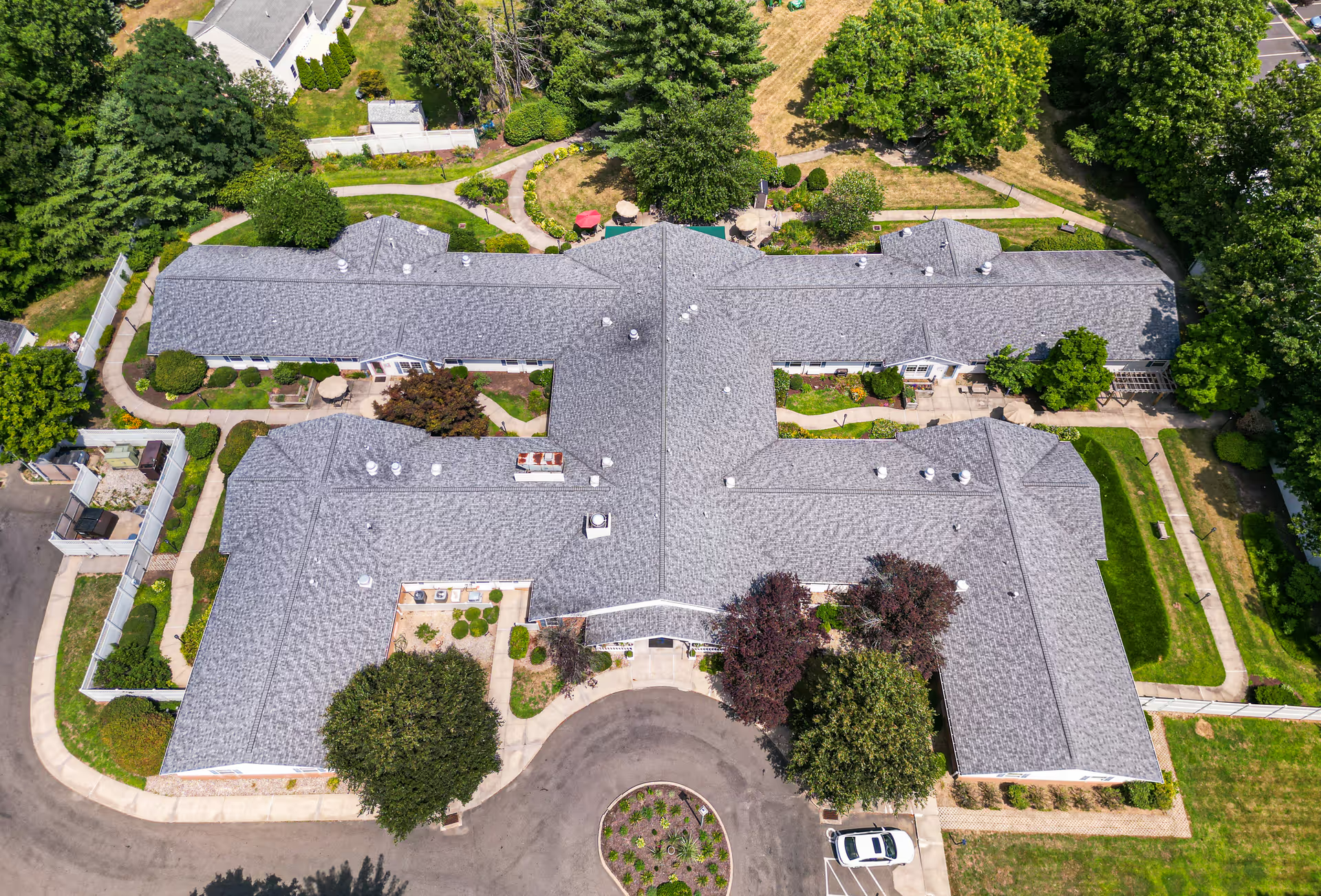
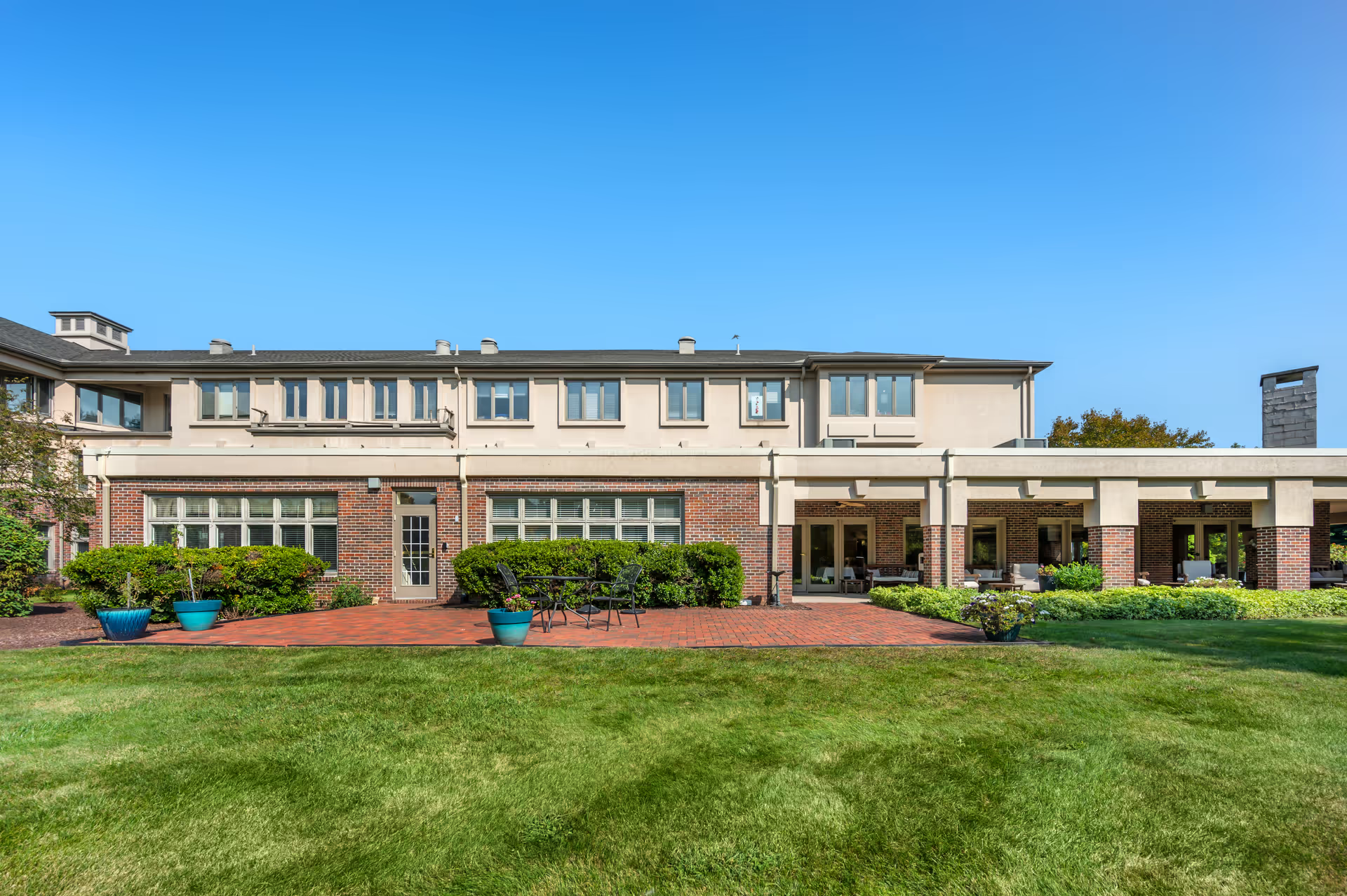
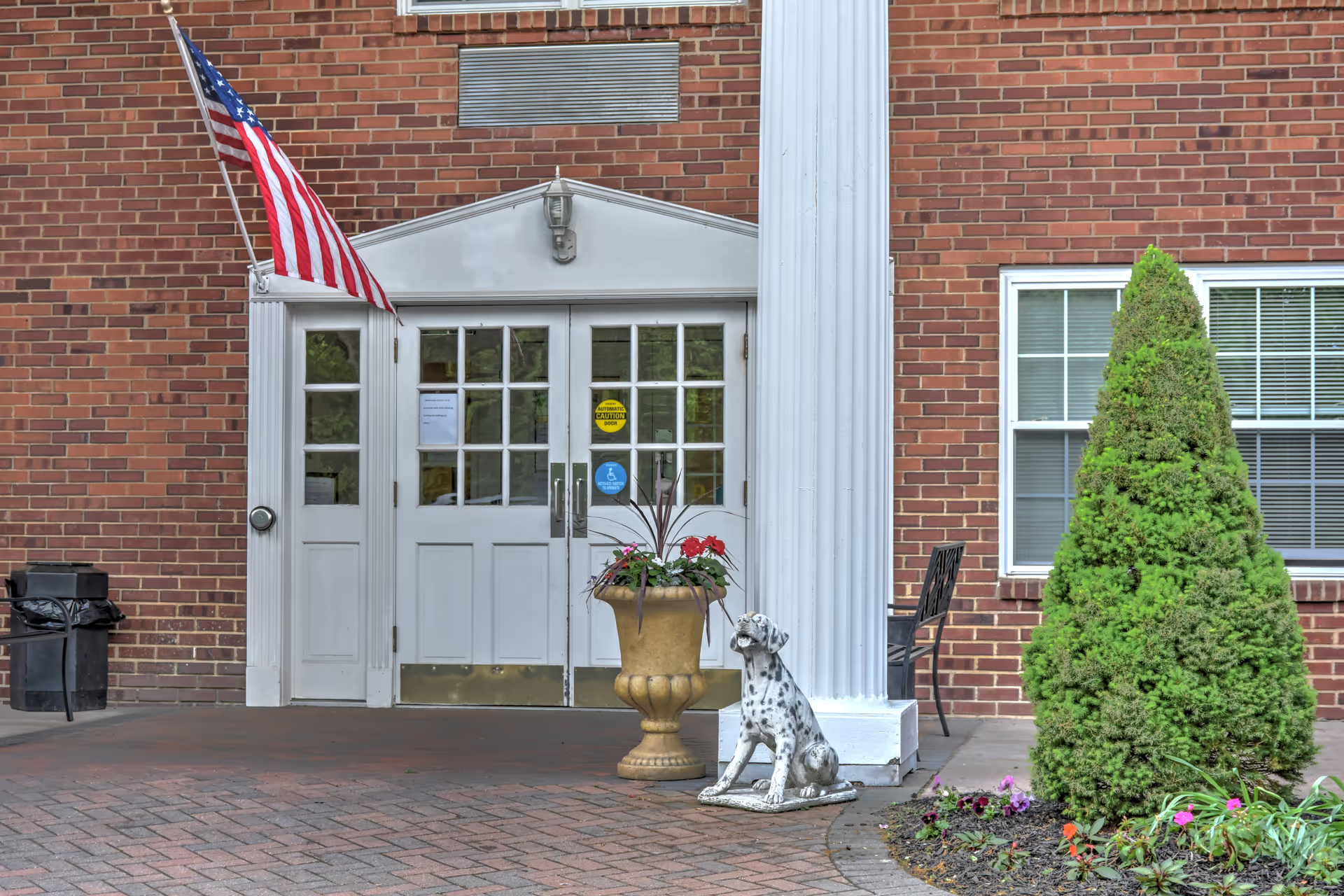
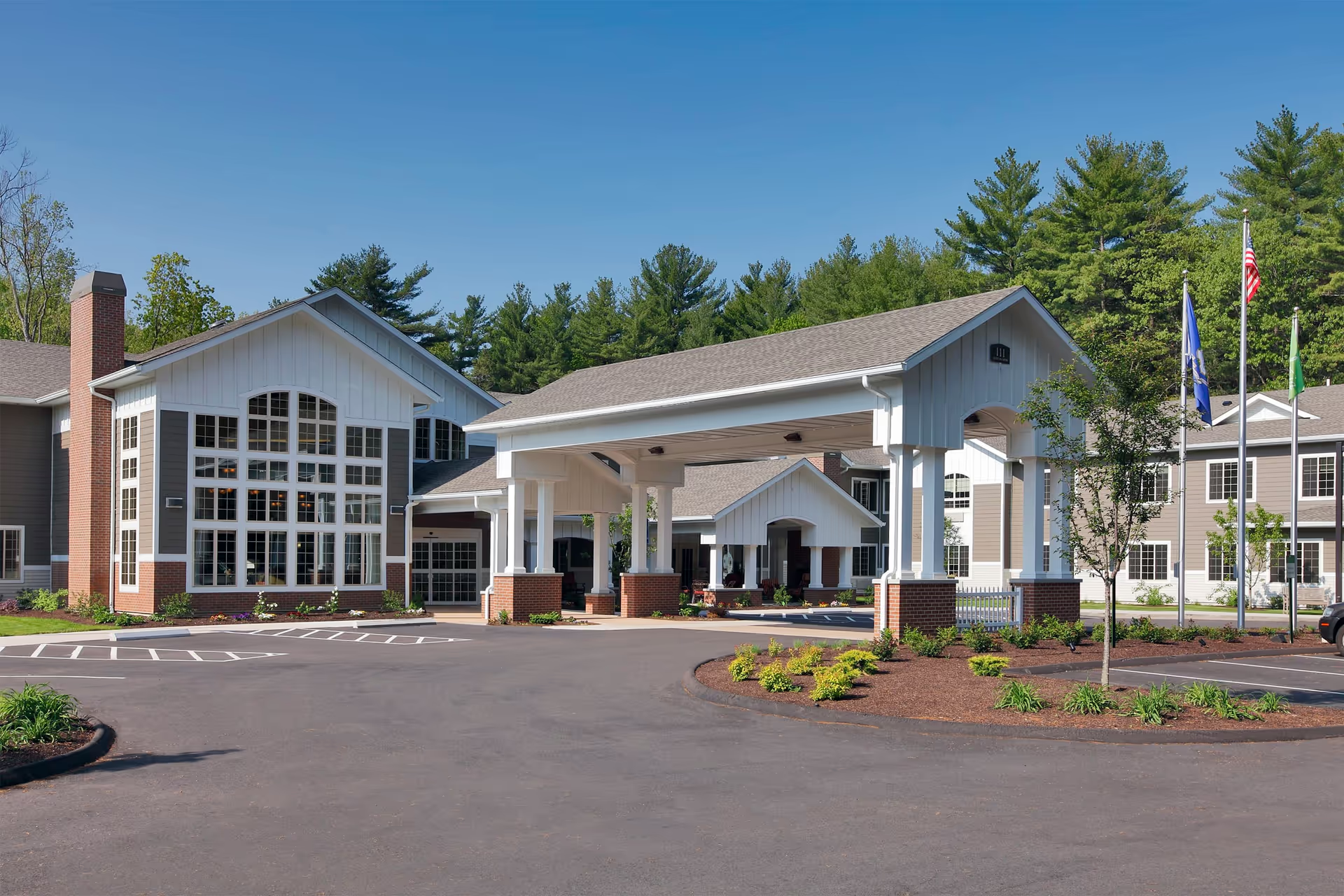
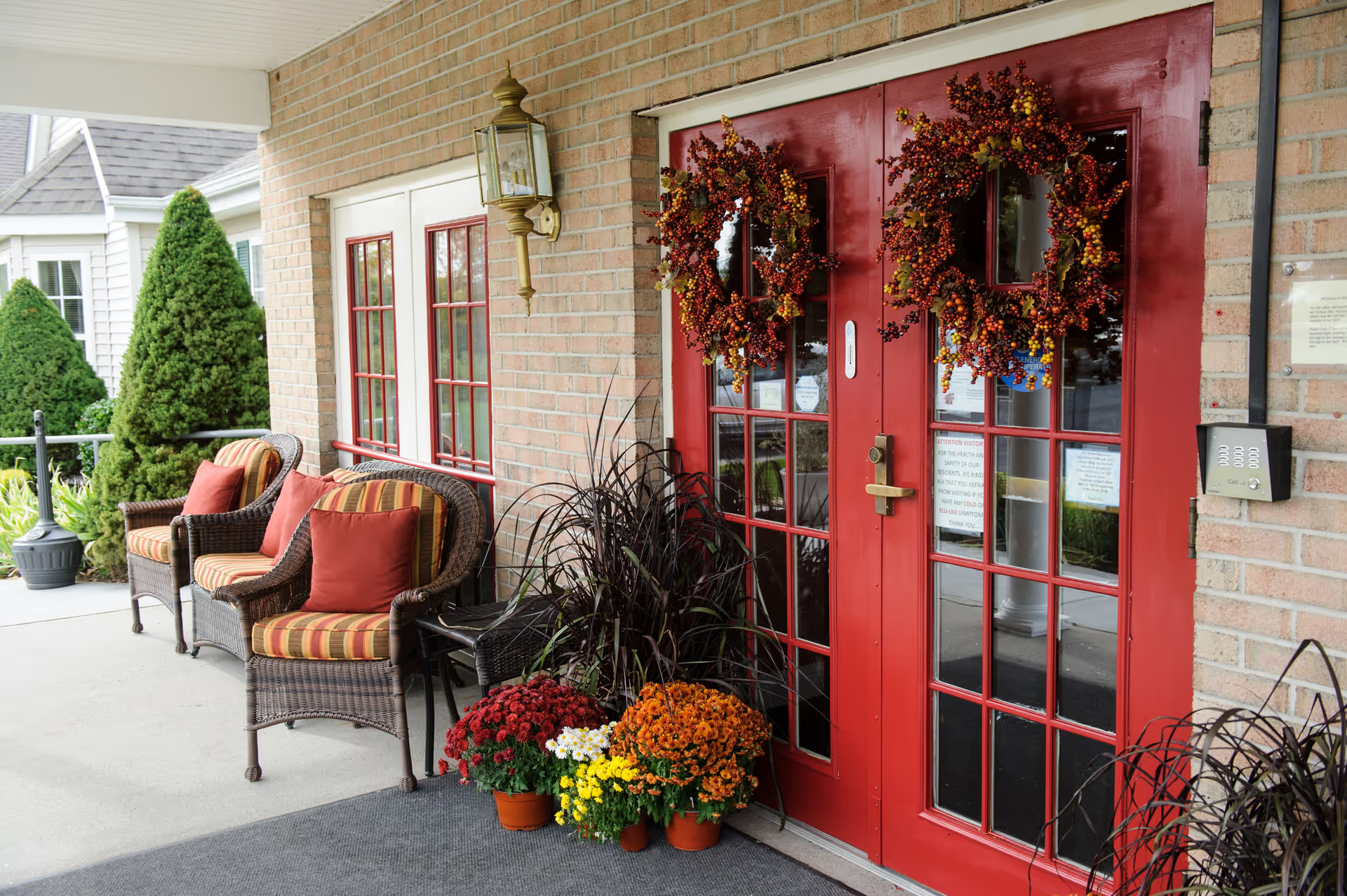
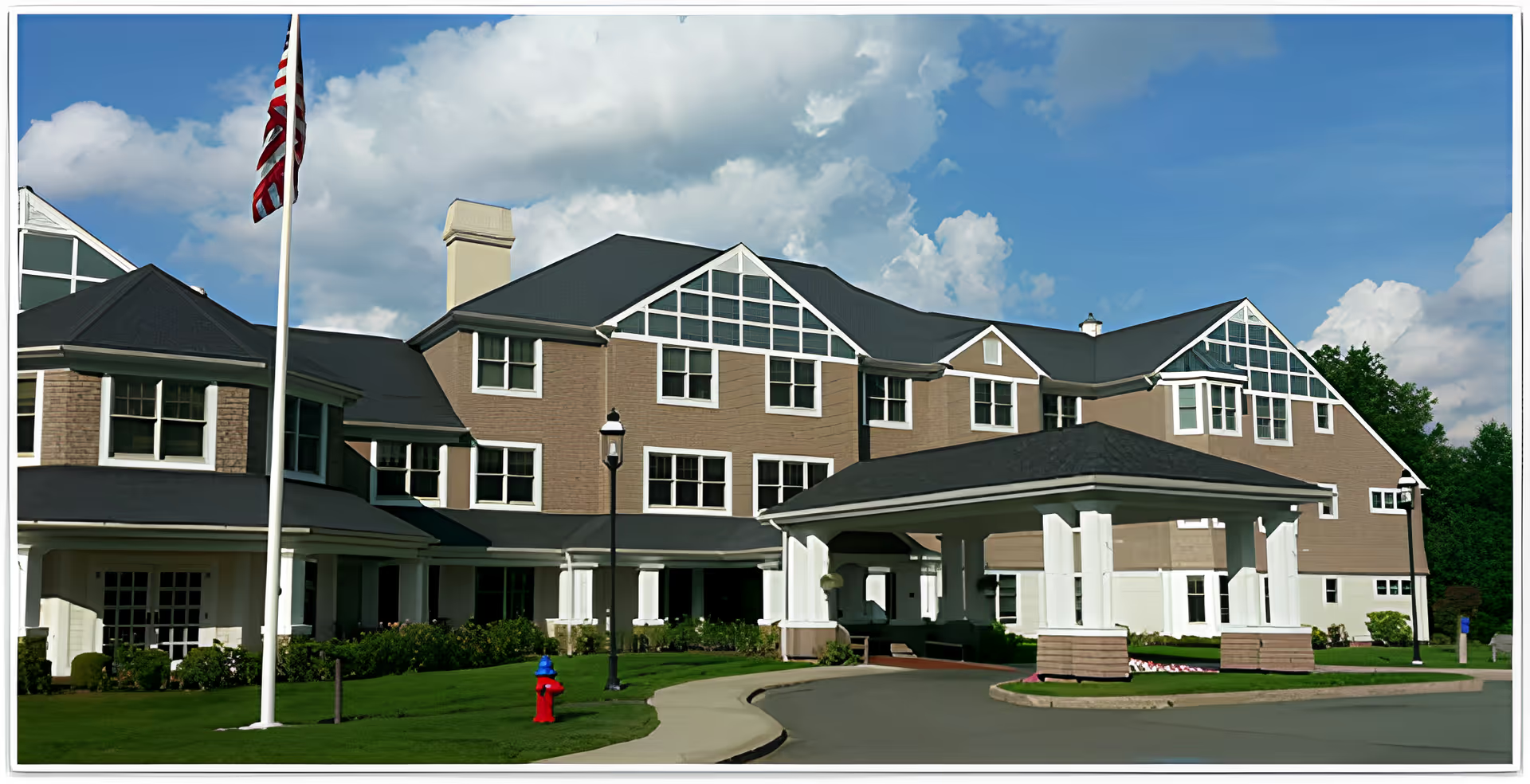
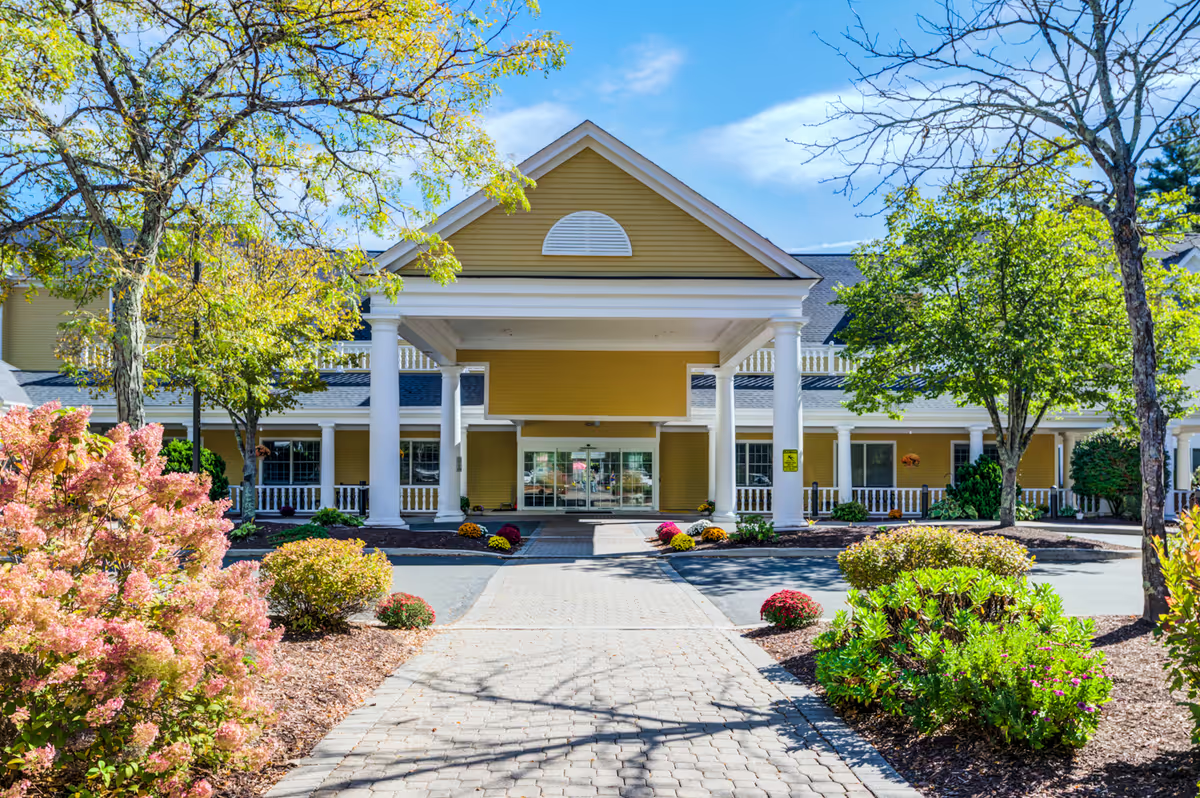
The property is often described as clean, attractive, and home-like, with common rooms, grounds, and amenities that support community life. Apartments provide private living space and basic kitchenette features; however, several touring or resident accounts identify small unit sizes, and one describes the layouts as unusual. Cost is another consideration, particularly for larger apartments and households on fixed incomes. The community’s relatively small scale is generally viewed as an advantage for familiarity and ease of getting around, though unit size and layout should be assessed in person.
Management and communication receive consistently favorable comments. Families describe leaders as accessible and helpful, and report that questions, service requests, and resident suggestions receive attention. Reviewers also cite transportation for appointments and errands, access to medical services, and infection-control measures during the pandemic. Overall, the dominant pattern is positive satisfaction among residents and families, with apartment dimensions, affordability, meal portions, and suitability for advanced dementia care as the main points to clarify during a tour and care assessment.