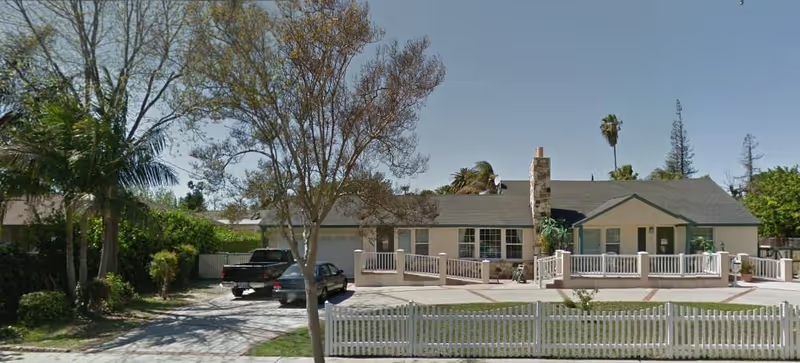
The reviews for Woodland Care Center are highly polarized. Many families and some clinicians praise the facility for compassionate bedside nursing, a responsive rehab team, and successful short-term rehabilitation outcomes: reviewers described improvements in mobility after stroke and staff who spend extra time with residents. Multiple accounts highlight engaging activities (bingo, art projects, and recognition programs), assistance with appointments and transportation, supportive case-management in some instances, and a generally welcoming front desk or reception presence. Several reviewers also described clean, well-decorated communal areas and flexible visitation practices implemented during COVID restrictions.
At the same time, a large portion of feedback identifies operational and quality gaps that affect day-to-day care. The most consistent concerns relate to responsiveness: slow or unanswered call lights and delayed medication delivery were noted frequently, and reviewers described problems coordinating with off-site pharmacy services. Staffing shortages and uneven staff availability appear to be an ongoing challenge, contributing to long wait times for assistance, inconsistent bathing and toileting support, and variability in mealtime service. These issues are reflected in reports of short or infrequent therapy sessions and gaps between scheduled and delivered rehabilitation, even though some residents experience good therapy outcomes.
Facility condition and maintenance are recurring themes. Reviewers described aged infrastructure and maintenance deficits — non-functioning air conditioning, in-room phones and TVs, lighting or bed repairs — which can impair comfort and care. Sanitation and localized odor concerns were mentioned alongside instances of poor room cleanliness and incontinence-care delays; these raised family concerns about infection control and overall hygiene practices. There are also several mentions of security and personal-property control gaps and at least a few serious allegations of financial or property misconduct; these are significant and warrant investigation by families or regulators.
Communication and management practices receive mixed reviews. Positive experiences cite attentive caseworkers and specific staff members who are proactive and communicative. Conversely, multiple accounts describe poor family updates, unanswered administrative voicemail, incomplete discharge paperwork, and a perception that management is not always accessible or accountable. Together these themes suggest variability in leadership responsiveness and operational oversight across shifts.
For prospective residents and families: the facility appears capable of delivering strong, compassionate bedside care and effective short-term rehabilitation when staffing and coordination align. However, the pattern of concerns—especially around responsiveness to call lights, medication administration, maintenance, and consistent communication—indicates operational instability that can affect continuity of care. Families considering Woodland Care Center should verify current staffing levels, ask about pharmacy and medication-handling processes, inspect room maintenance and climate control, clarify admission/discharge procedures, and seek direct references about recent rehabilitation outcomes and night-shift coverage. If there are serious individual concerns (for example, missing medications, alleged theft, or adverse events), pursue clarification with facility leadership and consider regulatory or ombudsman avenues as appropriate.